Fast Metals Raises $4.3 Million to Recover Critical Minerals From Red Mud
The startup uses one industrial waste stream to process another, aiming to make iron cover costs while titanium and rare earths provide profit.
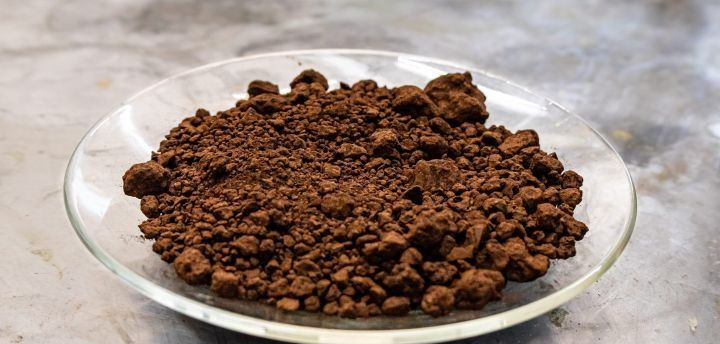
Fast Metals has raised a $4.3 million pre-seed round to extract valuable minerals from red mud, the caustic waste left by aluminum refining. New Climate Ventures led the financing with participation from Azolla Ventures, Astor Swiss and Rio Tinto's Founders Factory accelerator.
More than three billion tons of red mud are stored in ponds and mounds around the world. The material contains large amounts of iron oxide along with titanium, aluminum, scandium and other rare-earth elements. Previous recovery methods have often cost more than the minerals were worth.
Co-founder and CEO Sumedh Gostu developed much of the process during doctoral research at the Colorado School of Mines. Fast Metals combines red mud with another refinery waste stream and additional chemicals across six stages, separating materials that can be sold individually.
The company's economic theory is that recovered iron can pay operating expenses while higher-value products create profit. Titanium dioxide sells for several dollars per kilogram, while scandium oxide can command hundreds of dollars per kilogram, although actual returns depend on purity, recovery rates and commodity prices.
Red mud is highly alkaline and can cause severe environmental damage when storage sites fail. Processing it creates its own chemical streams, so Fast Metals must demonstrate that recovery does not replace one disposal problem with another. Commercial credibility will depend on mass balance, energy use and safe handling across the entire six-step process.
The business case links environmental cleanup with domestic mineral supply, which can attract both industrial customers and public support. Fast Metals must prove that valuable output covers processing and transport costs at real waste sites, not only in a laboratory. Alumina producers may prefer a partner that reduces long-term liability even if metal revenue is modest. Independent life-cycle analysis should compare the process with mining and existing disposal. A technology that recovers minerals but consumes excessive energy, water or chemicals may move the burden rather than solve it.
Fast Metals plans to treat one ton of waste per week through a commercial arrangement with mineral processor Metalox. That pilot is small compared with the global stockpile, but it will test whether laboratory chemistry works continuously and safely. If the process scales, it could reduce a difficult environmental liability while adding domestic sources of minerals used in advanced manufacturing.
Sources
Written by
The Company Wire
Inside the companies building what’s next. Reporting on startups, technology, funding and the people shaping them.