Proception Raises $11 Million for Dexterous Robot Hands
The robotics startup introduced its first commercial hand and closed a seed round after settling a trade-secret dispute with Tesla.
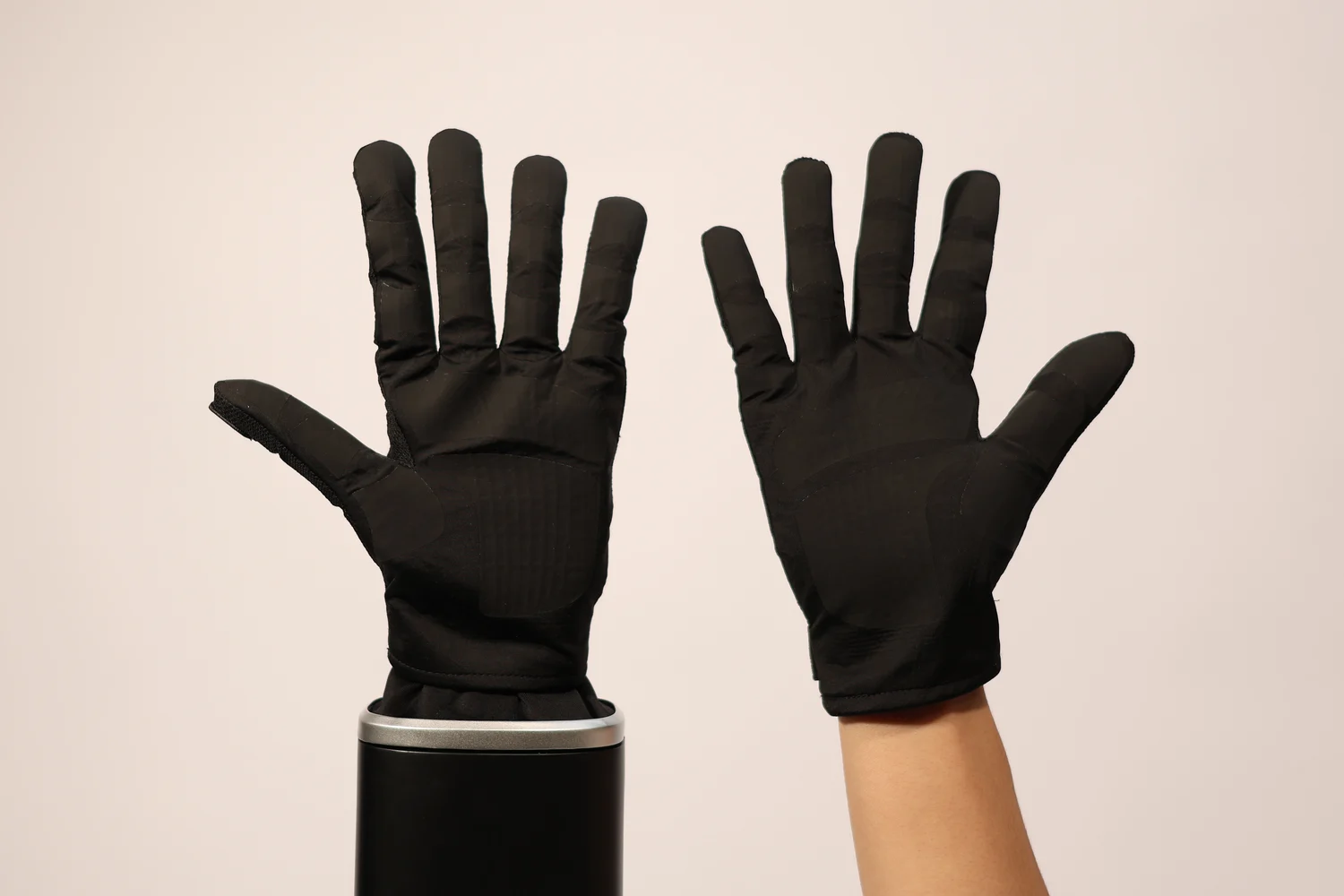
MOUNTAIN VIEW, Calif. - Proception has raised $11 million in seed financing to develop dexterous robotic hands and the data systems needed to train them, signaling a pivot in the robotics industry toward specialized hardware components rather than full-platform humanoid construction. First Round Capital led the round, with participation from Y Combinator and BoxGroup. The funding arrives at a critical juncture for the Mountain View-based startup, which is attempting to solve one of the most persistent bottlenecks in automation: the ability of machines to manipulate objects with the same nuanced precision as a human operator.
The company officially debuted its financing alongside the commercial launch of ProHand 1.0, its flagship hardware product. Proception was founded by Jay Li, who previously served as an engineer on Tesla’s Optimus humanoid program. Li’s transition from a high-profile captive robotics project to an independent hardware startup reflects a broader trend in Silicon Valley, where specialized teams are increasingly spinning out of larger tech conglomerates to address specific hardware challenges that have historically been secondary to software and AI development.
The ProHand 1.0 is engineered with 22 degrees of freedom, a specification designed to accommodate robots that require significantly more precise manipulation than conventional parallel or vacuum-based grippers can provide. While standard industrial grippers are often limited to simple pick-and-place tasks, the added complexity of the ProHand 1.0 is intended to allow for sophisticated interactions with varied objects. This level of dexterity puts Proception in a narrow competitive field that focuses on the fine motor skills required for assembly, maintenance, and complex logistics.
Beyond the physical hardware, Proception is simultaneously building tactile-data pipelines aimed at training robotic control systems. This dual approach recognizes that hardware alone cannot solve the dexterity problem; instead, sensors must capture high-fidelity feedback that allows machine learning models to understand pressure, friction, and resistance. By developing these data pipelines, Proception is positioning itself as both a component manufacturer and a software enablement partner for the wider robotics ecosystem.
The robotics industry has long considered manual dexterity to be a particularly difficult layer of the humanoid stack. Developing a hand that can function reliably requires a delicate balance between motors, sensors, and control software. These components must work in perfect synchronization while handling a wide variety of objects that differ in shape, weight, and texture. Historically, the failure of a single sensor or motor in a high-degree-of-freedom hand could render an entire robot inoperable, making durability as much of a priority as capability.
Industry analysts have noted that the market for specialized components like robotic hands is expanding as more companies attempt to build general-purpose humanoids. A supplier that can ship a dependable, mass-produced hand could potentially sell its technology across multiple robot manufacturers. This model allows a component specialist to capture value across the entire sector without the capital-intensive burden of developing a full-scale humanoid platform, which involves complex problems in bipedal locomotion, battery management, and computer vision.
Proception’s announcement of the seed round coincided with the resolution of a trade-secret lawsuit brought by Tesla. The litigation, which had been a point of concern for potential observers, was settled on the same day the funding was made public. While the specific terms of the settlement were not disclosed, the agreement removes an immediate legal overhang that could have hindered the company’s ability to attract institutional capital or secure long-term contracts with enterprise customers.
The legal episode involving Tesla underscores the ongoing intellectual-property risks surrounding new startups formed by engineers from established, multi-billion-dollar robotics programs. As the race for humanoid supremacy intensifies, incumbent players have become increasingly protective of their proprietary designs and trade secrets. For young companies like Proception, navigating these legal waters is often as critical to their survival as the engineering hurdles they face in the laboratory.
Despite the successful fundraise and the settlement, Proception faces significant execution risks as it moves into the commercialization phase. Manufacturing quality and hardware durability remain primary concerns for any startup moving from a prototype to a production environment. Robotic hands are subject to intense mechanical stress, and maintaining a high mean time between failures is essential for any component intended for use in industrial or commercial settings.
Customer concentration is another hurdle for the fledgling firm. In the current market, the number of companies actually deploying sophisticated humanoid robots at scale remains relatively small. If Proception cannot diversify its client base or adapt its hand for more traditional collaborative robot arms, it may find itself overly dependent on a handful of high-profile humanoid projects that are themselves still in the experimental or pilot stages of development.
The $11 million in new capital is expected to support aggressive hiring across both hardware and software engineering departments. Additionally, the funds will be directed toward further product development and the initial production runs of the first ProHand systems. Moving from a lab-tested unit to a product that can be manufactured at scale with consistent tolerances will be the company’s primary operational focus over the next eighteen months.
Investors and industry competitors will now be looking for evidence that the ProHand 1.0 can survive the rigors of real-world work through repeat orders from early adopters. Success will be measured not just by the technical specifications of the 22 degrees of freedom, but by whether the hardware can maintain those specifications over thousands of cycles without requiring frequent maintenance or recalibration.
Long-term viability for Proception will likely depend on whether it can establish a defensible data advantage through its tactile-data pipelines. As more robots utilize the ProHand hardware, the proprietary data collected from those interactions could become a valuable asset for training more advanced AI models. This feedback loop could potentially create a moat for the company, making its hardware more attractive because it comes integrated with superior control software.
While shipping a capable prototype is a significant milestone for any robotics startup, the transition to becoming a reliable component supplier is a much more difficult path. Proception’s ability to execute on its production timeline while maintaining its newfound legal clarity will determine its standing in the rapidly evolving robotics supply chain. The coming year will be a test of whether the company can translate its engineering pedigree into a sustainable business model.
Sources
Written by
The Company Wire
Inside the companies building what’s next. Reporting on startups, technology, funding and the people shaping them.