Anthropic Launches Claude Design for Prototypes, Slides and Visual Work
The research-preview product turns a conversation with Claude into editable designs and can apply a company's existing visual system.
SAN FRANCISCO - Anthropic has launched Claude Design, an experimental product that creates and edits prototypes, slides, one-pagers and other visual material through conversation. The new tool marks a significant expansion for the San Francisco-based AI firm, shifting its focus from purely text-based reasoning and code generation toward visual creative workflows. As the competition among foundation model providers intensifies beyond simple chat interfaces, this release signals a strategic push to capture the higher-fidelity productivity market where visual assets are the primary currency of business communication.
Claude Design is powered by the company's latest Claude Opus 4.7 model and is currently available in a research preview for Claude Pro, Max, Team, and Enterprise subscribers. By utilizing the advanced reasoning capabilities of the Opus 4.7 architecture, the tool aims to bridge the gap between abstract conceptualization and concrete visual output. The launch comes at a time when enterprise users are increasingly demanding specialized interfaces that go beyond a traditional chat box to facilitate more complex, iterative work.
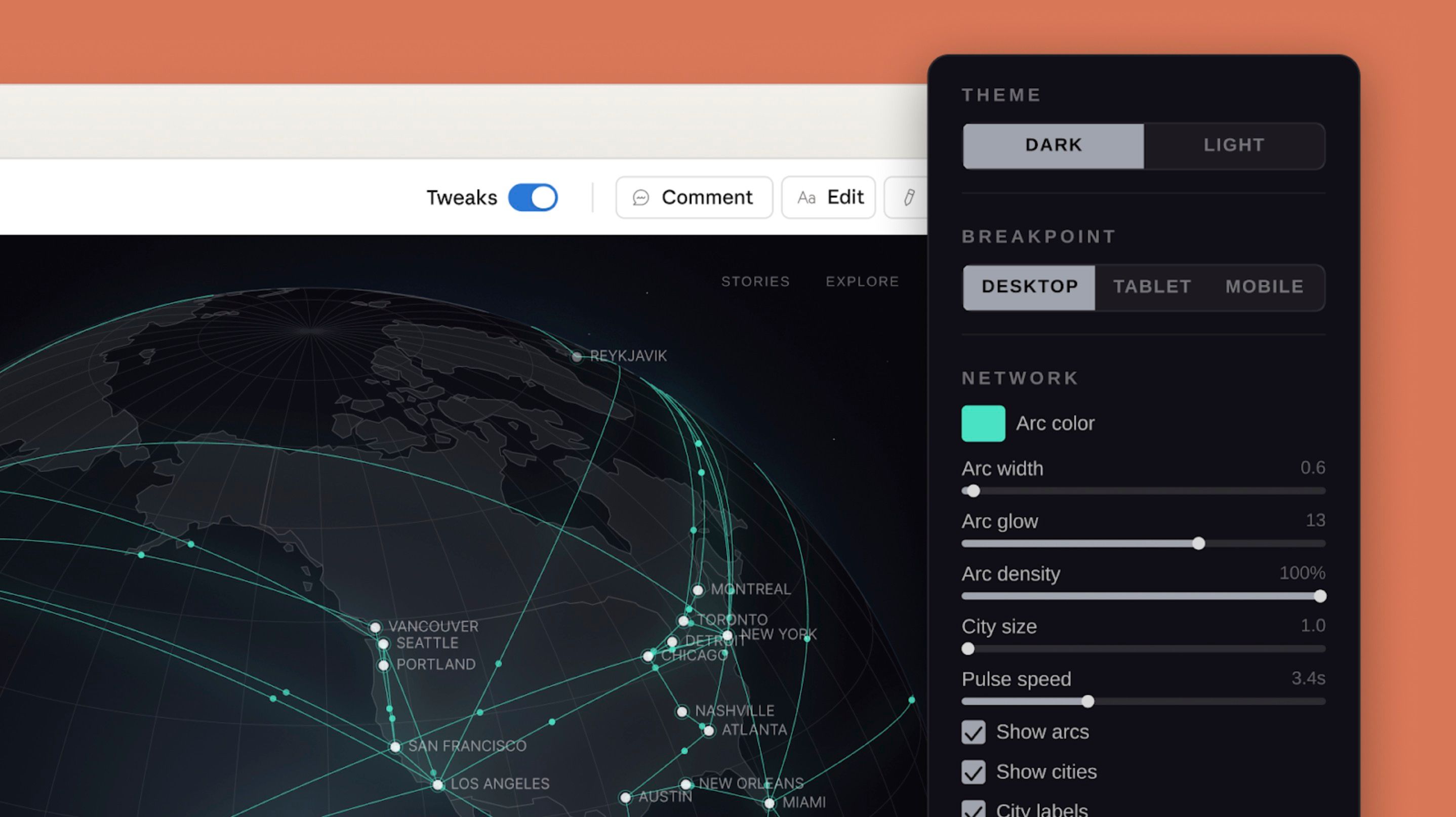
The user experience within Claude Design is centered around a multi-modal feedback loop. Users begin by describing an initial idea in natural language, after which they can review the generated version and refine it through a variety of interaction methods. These include subsequent text prompts, inline comments on specific elements, direct manual edits, or specialized controls created specifically for the project at hand. This collaborative approach attempts to solve the 'blank page' problem that often stymies project leads and marketers during the early phases of development.
One of the most technically significant features of the new product is its ability to ingest and apply an organization's existing design system when granted access. By allowing teams to apply specific colors, typography, and UI components, Anthropic is addressing a common weakness in generative creative work. Historically, AI-generated designs have often been criticized for producing attractive but ultimately unusable outputs that ignore established brand identities and product guidelines. Incorporating these systems ensures that the transition from AI prototype to corporate asset is more seamless.
With this launch, Anthropic is aiming well beyond the niche of professional graphic designers. The company has identified a critical bottleneck where founders, product managers, and marketers frequently require high-fidelity prototypes or presentations long before a dedicated design team can be mobilized. Claude Design is positioned as a bridge in this workflow, giving non-designers a faster way to make their ideas visible and tangible. However, rather than displacing professionals, the tool is also marketed to designers as a medium for rapid exploration and iterative brainstorming across multiple directions.
The move places Anthropic into direct competition with established industry titans such as Figma, Canva, and Adobe, as well as a burgeoning group of AI-native design startups. For years, the design software sector has been characterized by tools that require significant training to master. The emergence of conversational interfaces for design represents a fundamental shift in how software products are conceived and built. Analysts have noted that the success of these tools will depend heavily on their ability to integrate into existing professional ecosystems rather than existing as isolated creative silos.
In the broader context of the synthetic media market, speed alone will not decide which platform wins the dominant share of enterprise spend. Professional teams will ultimately judge Claude Design based on whether its outputs remain fully editable, consistent across multiple pages or screens, and ready for actual technical implementation. If an AI generates a beautiful slide deck that cannot be easily updated or a prototype that cannot be translated into code, its utility in a fast-moving corporate environment remains limited.
The inclusion of a 'research preview' label is a strategic choice that reflects the current limitations of generative design technology. Complex visual assets still frequently require a high degree of human oversight to ensure accessibility standards are met and brand compliance is strictly maintained. The transition from large language models to large graphical models involves unique challenges in spatial reasoning and layout logic that Anthropic is still refining through this public testing phase with its subscribers.
Anthropic’s push into visual workflows also highlights a shift in the corporate landscape toward 'full-stack' AI assistance. Companies are no longer looking for standalone chatbots but rather for integrated environments where text, code, and design coexist. By leveraging the Claude 4.7 Opus model, Anthropic is attempting to prove that a single, powerful foundation model can handle the highly distinct cognitive tasks of writing a marketing strategy and then immediately laying out the corresponding slide deck or web landing page.
The competitive landscape is already crowded, with Adobe incorporating Firefly into its Creative Cloud suite and Figma integrating AI features that automate redundant design tasks. Anthropic’s entry into this space suggests they believe their core model’s reasoning capabilities provide a superior foundation for understanding the nuance of design briefs. The enterprise sector, particularly, is looking for tools that reduce the time-to-market for new products, making the efficiency gains promised by Claude Design highly attractive to large-scale organizations.
Looking ahead, the industry will be watching to see how Anthropic manages the data privacy concerns that often accompany design projects involving sensitive corporate intellectual property. By offering the tool to Enterprise and Team subscribers first, the company is targeting users who prioritize secure environments for their proprietary design systems. The ability to maintain brand safety while using generative tools remains a top priority for Chief Marketing Officers who are wary of the hallucinations or inconsistencies common in earlier iterations of generative technology.
As the research preview progresses, the feedback from Claude Pro and Enterprise users will likely dictate the roadmap for Claude Design's general release. The focus will likely remain on enhancing the model's ability to handle increasingly granular design requirements and more complex interactive components. For now, the launch serves as a clear indicator that Anthropic intends to be a central player in the productivity software market, challenging the traditional boundaries between text-based AI and visual creation platforms.
Sources
Written by
The Company Wire
Inside the companies building what’s next. Reporting on startups, technology, funding and the people shaping them.