Apple Introduces Systemwide Dictation With Automatic Polishing
The voice input update can improve punctuation, capitalization and formatting while new Siri voices aim for more natural delivery.
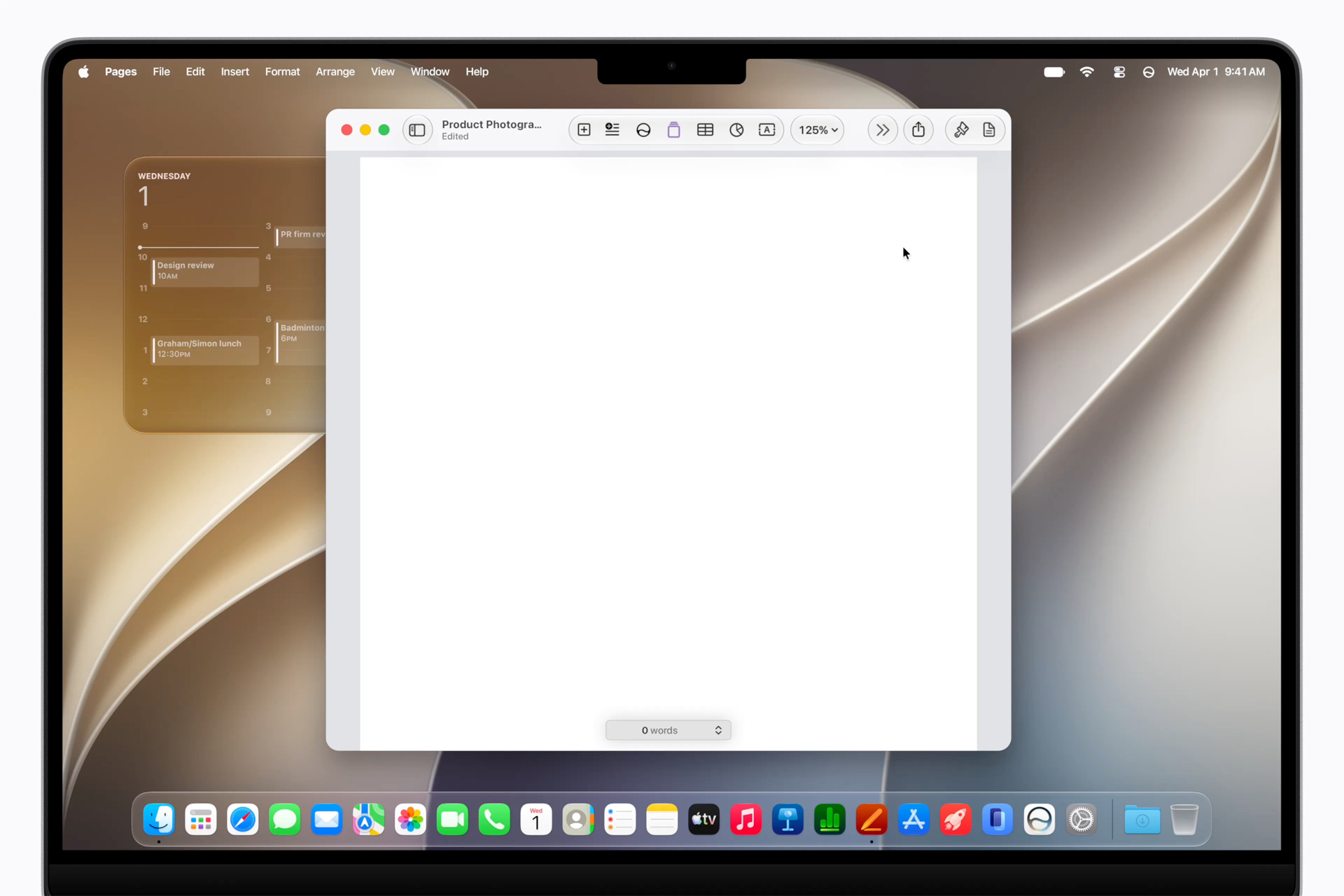
CUPERTINO, Calif. - Apple has introduced an updated systemwide dictation experience that can turn spoken language into more polished text across compatible applications. The technology giant, known for its deep integration between hardware and software, is positioning the upgrade as a significant enhancement to the utility of its mobile and desktop platforms. The company says the feature improves accuracy while automatically handling capitalization, punctuation, and formatting, reducing the cleanup normally required after using voice input. By addressing these minor but frequent friction points, the new system aims to elevate voice-to-text from a niche accessibility tool to a primary input method for professional and casual users alike.
The launch arrives as Silicon Valley undergoes a broader shift toward integrating generative technologies directly into operating systems. Rather than requiring users to jump between disparate third-party services, Apple is focusing on a seamless experience where the interface itself understands the nuances of human speech. This systemwide approach ensures that the capability is available at the operating-system level, allowing users to dictate into many text fields rather than opening a dedicated transcription app. The ubiquity of the tool makes it relevant for messages, notes, documents, and accessibility workflows, effectively turning every text entry point into a potential voice-activated interface.
Industry observers have noted that the utility of dictation has historically been limited by the need for manual correction. Early voice-recognition systems often produced long blocks of lowercase text devoid of commas or periods, forcing users to spend significant time editing the output. Apple’s move to include automatic polishing suggests a shift toward a more intelligent buffer between audio input and digital output. According to reports from TechCrunch, this update is intended to streamline the creation of long-form content, allowing for a more fluid interaction between the user and their device as the software interprets intent rather than just phonetic sounds.
In addition to the dictation updates, Apple is also adding more expressive Siri voices as part of a wider effort to make spoken interaction feel less mechanical. This effort to humanize the virtual assistant reflects a competitive landscape where natural-sounding synthesis is becoming the baseline expectation. As rivals invest heavily in large-scale audio models, Apple is focused on ensuring that its primary interface for voice commands remains competitive in terms of cadence and emotional resonance. The goal is to create a feedback loop where the device not only understands the user more accurately but also communicates in a manner that feels less disruptive to the user experience.
Automatic polishing can make dictation faster, but it also changes the relationship between a speaker's exact words and the text that appears. This transformation represents a double-edged sword for professionals who rely on precision. A system that corrects grammar or reorganizes phrasing may unintentionally alter emphasis or meaning, a risk that is particularly acute in legal or medical contexts where specific word choice is critical. Apple will need to make edits predictable and give users a straightforward way to review or reverse them to ensure that the user remains the ultimate authority over their written correspondence.
The enterprise software sector is watching these developments closely, as efficient text input is a cornerstone of digital productivity. If dictation can achieve the high reliability required for professional environments, it could reduce the physical strain associated with classical typing and accelerate the pace of documentation. For enterprise clients, the ability to generate clean, formatted notes in real-time could represent a meaningful gain in efficiency, provided the software can handle technical jargon and industry-specific terminology without introducing errors during the polishing phase.
Privacy is another important part of the experience because dictated text can contain private conversations, work details, or health information. In an era where data security is a primary concern for both consumers and regulators, the method by which audio is processed is under intense scrutiny. Apple's broader product strategy emphasizes processing on devices when possible and using controlled cloud systems for larger requests. This hybrid approach is intended to provide the power of high-level compute while maintaining the user's data sovereignty within the safe confines of their own hardware.
Despite these safeguards, the transition to more advanced voice processing requires a high degree of transparency. Users should still understand when audio leaves a device and how long related data is retained. For the feature to gain widespread adoption in sensitive corporate environments, Apple must clearly communicate the boundaries of its data collection. The success of the feature hinges on maintaining the delicate balance between the computational needs of high-accuracy transcription and the stringent privacy standards that the company has built its brand reputation upon.
From a strategic perspective, systemwide dictation could become one of the most frequently used AI features because it improves an existing habit instead of asking people to adopt a new application. While standalone generative tools often require users to learn new prompting techniques, dictation is a behavior that most smartphone users are already familiar with. By enhancing this existing workflow, Apple is lowering the barrier to entry for its new intelligence features, making them accessible to a broader demographic that might not otherwise engage with advanced software capabilities.
The execution of this rollout will be tested by the vast diversity of its user base. Its success will depend on quiet reliability across accents, languages, and noisy environments. A tool that works perfectly in a silent office but fails in a crowded cafe or a windy street will struggle to achieve the status of a primary input method. Small errors repeated throughout a day may matter more than a strong demonstration under ideal conditions, as cumulative frustration can quickly lead users to revert to the traditional keyboard for the sake of certainty.
Looking forward, the integration of automatic polishing sets the stage for more advanced contextual understanding within the Apple ecosystem. As the software becomes more adept at recognizing the structure of a letter, a list, or a message, it could potentially begin to suggest relevant formatting templates or even summarize dictated content on the fly. This road map suggests an evolution where the operating system acts less like a passive medium and more like an active assistant that anticipates the needs of the communicator.
Market analysts will be watching to see how these updates impact user engagement metrics across Apple’s suite of native apps. If the polished dictation leads to a measurable increase in the length and frequency of voice-generated messages, it will validate the company’s investment in the space. Furthermore, the ability of the system to handle multi-modal input—where a user might alternate between typing and speaking without losing the context of their work—will be a key indicator of its technical sophistication.
Ultimately, this update is a reflection of Apple's long-term vision for ambient computing, where the interface becomes increasingly invisible. By refining the mechanics of voice input, the company is attempting to remove the friction between thought and digital expression. Whether this leads to a fundamental change in how the average person interacts with their device remains to be seen, but the introduction of systemwide polishing marks a clear step toward a future where the keyboard is no longer the undisputed center of the computing experience.
Sources
Written by
The Company Wire
Inside the companies building what’s next. Reporting on startups, technology, funding and the people shaping them.