Apple Launches the $599 iPhone 17e
The entry model adds the A19 chip, MagSafe, a 48-megapixel camera and 256 gigabytes of starting storage.
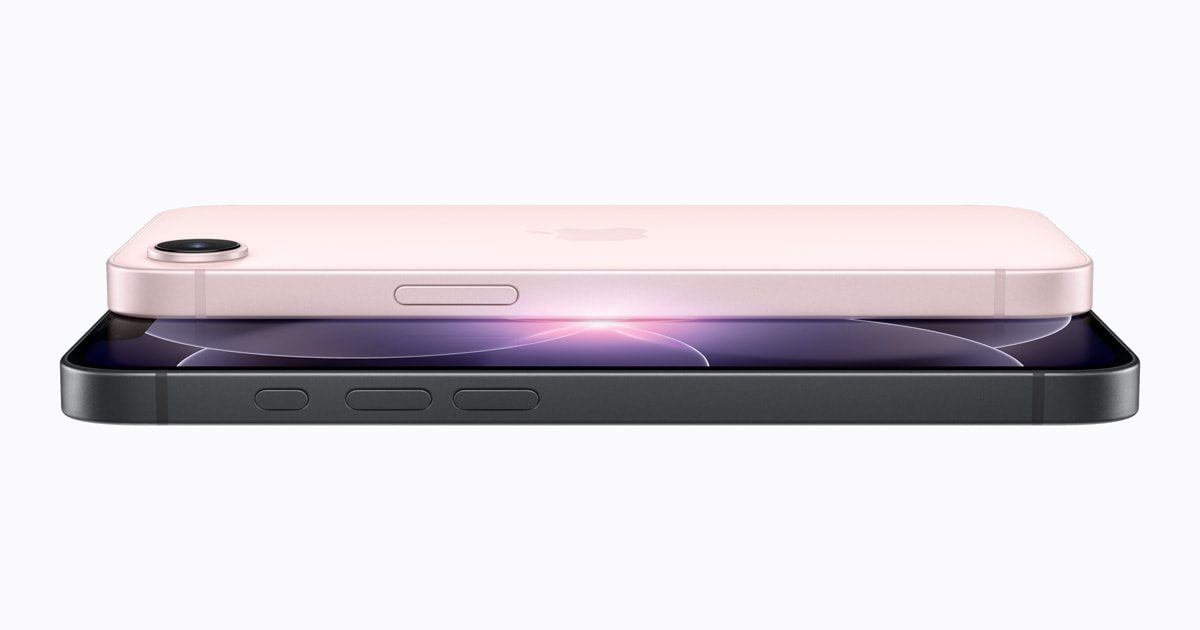
CUPERTINO, Calif. - Apple has introduced the iPhone 17e, a new entry-point device designed to capture the value segment of the smartphone market while maintaining the performance standards of its latest flagship lineup. With a starting price of $599, the iPhone 17e represents the most affordable member of the newly unveiled iPhone 17 family. The announcement comes at a critical juncture for the consumer electronics giant as it seeks to balance premium hardware margins with the need to expand the install base for its burgeoning services business and artificial intelligence ecosystem.
The device is anchored by the inclusion of 256 gigabytes of storage in its base configuration. This move effectively doubles the starting capacity seen in the previous generation of entry-level models, addressing a long-standing criticism that base storage tiers were insufficient for modern app sizes and high-resolution media. This increase in storage capacity is particularly notable given the rising costs of NAND flash memory and other semiconductor components, which have historically pressured manufacturers to keep entry-level storage specs lower to protect profit margins.
Aesthetically, the iPhone 17e follows Apple’s signature minimalist design language and is offered in an initial palette of three colors: black, white, and soft pink. While the device maintains a more streamlined physical profile than the company’s high-end Pro models, the internal specifications suggest a shift toward hardware parity in core areas. The phone utilizes a 6.1-inch Super Retina XDR display, a screen size that has become a standard for the company's non-Max offerings, providing a balance between portability and screen real estate for media consumption.
Durability remains a focus for the manufacturer, as the display is protected by Ceramic Shield 2. This material science advancement is marketed as being more resilient against drops and scratches than previous iterations of glass. Under the hood, the device is powered by Apple's latest A19 chip. By utilizing the same silicon found in the broader iPhone 17 line, Apple ensures that even its lowest-priced model can support Apple Intelligence, the suite of generative artificial intelligence features that the company has positioned as a central pillar of its current product roadmap.
One of the most significant functional upgrades to this tier is the addition of MagSafe technology. Previously omitted from the company’s most affordable entry models, MagSafe brings a ring of magnets to the rear of the device, enabling compatibility with a vast ecosystem of magnetic accessories ranging from wallets and car mounts to battery packs. This inclusion also facilitates faster compatible wireless charging, streamlining the user experience and bringing the device in line with the charging standards utilized across the rest of the iPhone and Mac ecosystem.
In terms of optics, Apple has equipped the iPhone 17e with a 48-megapixel Fusion camera. This single rear camera system is engineered to perform two roles through computational photography; it provides a high-resolution standard view and a two-times optical-quality crop, effectively simulating a dedicated telephoto lens. This 'virtual' zoom allows the device to offer multifaceted photography options despite its simpler, single-lens industrial design, which helps separate the 17e from the multi-camera configurations found on its more expensive siblings.
The competitive landscape for $600 smartphones is increasingly crowded, with various Android-based manufacturers offering high-refresh-rate displays and triple-camera arrays at similar price points. However, Apple’s strategy with the iPhone 17e leans heavily on the value of long-term software support and ecosystem lock-in. Industry observers have noted that Apple’s ability to provide timely operating system updates for several years, combined with the integration of services like iCloud and iMessage, often outweighs raw hardware specs for consumers primarily concerned with device longevity.
The iPhone 17e is scheduled for preorder beginning March 4, with wide general availability set for March 11. The launch is an international one, spanning more than 70 countries and regions at the outset. By maintaining the $599 price point in the United States, Apple is signaling a commitment to price stability even as its bill of materials likely increases. This pricing strategy is widely interpreted as an attempt to capture market share in regions where subsidized carrier contracts are less common and out-of-pocket costs are a primary driver of consumer behavior.
This product launch fits into a broader trend of 'tiering' within the consumer technology sector, where manufacturers use slightly older designs paired with current-generation internals to maintain a presence in the mid-range market. For Apple, the iPhone 17e reduces two of the traditional compromises associated with lower-priced models: lackluster processing power and insufficient storage. By removing these friction points, the company makes its ecosystem more accessible to a demographic that might otherwise opt for older used models or competitive mid-range devices from rivals.
There are inherent execution risks in this approach, specifically the potential for the iPhone 17e to cannibalize sales of the standard iPhone 17. If the entry model provides 256 gigabytes of storage and the same A19 chip as the more expensive models, budget-conscious consumers may find little reason to step up to higher-priced tiers unless they have a specific need for the superior display technology or complex camera systems found in the Pro series. Analysts will be monitoring whether this launch shifts the average selling price of the iPhone lineup downward during the upcoming fiscal quarters.
Furthermore, the success of the iPhone 17e will depend heavily on the perceived value of Apple Intelligence. As the company leans into AI as a primary selling point, ensuring that these features run smoothly on the $599 hardware is vital for maintaining brand prestige. If the AI features are seen as a transformative utility, the inclusion of the A19 chip in the 17e could accelerate the adoption of these services across a broader demographic, potentially boosting revenue from the company’s services division over the long term.
Looking ahead, the response to the iPhone 17e will likely dictate Apple’s mid-range strategy for years to come. Market watchers will be looking for data on whether the increased base storage and the addition of MagSafe are enough to stimulate a significant upgrade cycle among owners of older iPhone models. In a maturing smartphone market where users are holding onto their devices for longer periods, the iPhone 17e represents a calculated bet that providing 'flagship-lite' features at a sub-$600 price point is the most effective way to maintain dominance in the consumer tech space.
Sources
Written by
The Company Wire
Inside the companies building what’s next. Reporting on startups, technology, funding and the people shaping them.