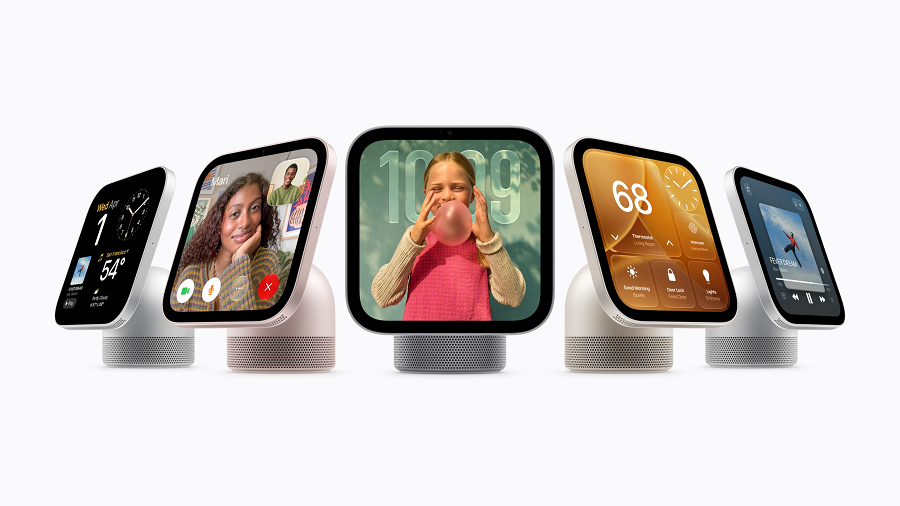
Apple Shifts Away From App Store Model With HomeView Smart Hub
The touchscreen display relies on Siri, widget-based interfaces, and iPhone proximity detection instead of standalone app downloads.
Apple is shifting its domestic hardware strategy with the introduction of HomeView, a household touchscreen hub that operates without an on-device App Store, as reported by Fast Company Tech (https://www.fastcompany.com/91626179/apple-homeview). Unveiled alongside updates to the Apple TV and HomePod mini at an October 13 product launch, the device signals an operational departure from dedicated software storefronts in favor of voice, widgets, and ambient computing.
The launch represents Apple's latest push into a category shaped by Amazon's Echo Show and Google's Nest Hub. Rather than extending the app-heavy distribution model that propelled the iPhone and iPad, Apple is positioning HomeView around an overhauled Siri assistant and multimodal interactions designed for shared domestic spaces.
HomeView features a square 1:1 aspect ratio display. The hardware can be mounted flat against a wall or docked on a tilting, domed aluminum speaker base, replacing the mesh-fabric finish of the HomePod mini with a metallic enclosure reminiscent of the Mac mini.
On the software side, the device does not introduce a standalone "homeOS" platform, running instead on proprietary software designated by Apple as HomeView software. The platform omits an application store entirely, operating instead as an ambient interface that mirrors and surfaces capabilities from connected devices, borrowing its architectural philosophy from Apple's CarPlay automotive software.
Personalization on the device also diverges from competitors. While smart screens from Amazon and Google have relied on integrated cameras to identify individual household members, HomeView adjusts its content dynamically through iPhone proximity detection, surfacing tailored profiles and data based on which user is nearby.
The streamlined software structure reflects hard-won lessons across the smart home sector, where consumer adoption of third-party screen apps has historically lagged. Apple's rollout will test whether proximity-based integration and a conversational Siri interface offer a viable alternative to dedicated app marketplaces in shared living spaces.
Sources
Written by
The Company Wire
Inside the companies building what’s next. Reporting on startups, technology, funding and the people shaping them.