Figma Design Agent Brings Prompted Creation Onto the Canvas
The beta assistant can generate and revise interface directions while using a team's design context.
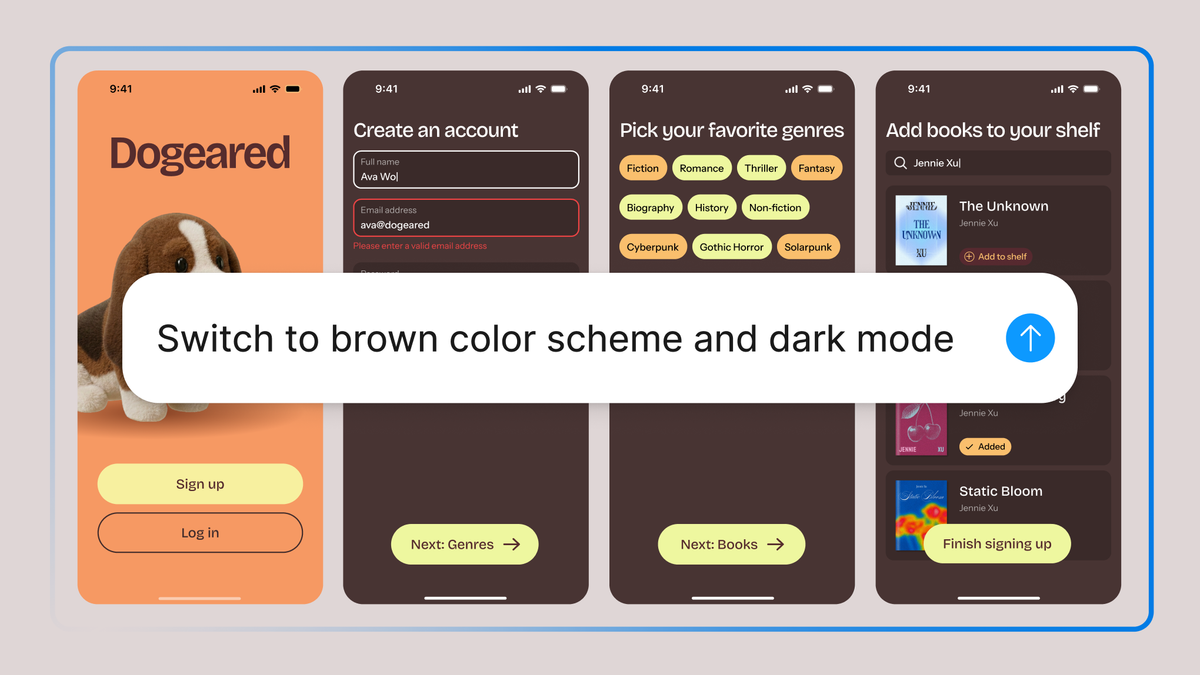
SAN FRANCISCO, Calif. - Figma has introduced Design Agent, a specialized artificial intelligence assistant built to function directly within the product’s design canvas. The launch represents a significant shift in how interface design tools integrate generative capabilities, moving the technology away from isolated sidebars and into the active workspace. By allowing users to select a specific layer and describe a desired change through natural language, the agent can create or revise interface concepts without requiring the designer to move the workflow into a separate chat window or third-party image-generation product.
The introduction of this tool arrives at a pivotal moment for the software-as-a-service sector, which has been grappling with the rapid integration of large language models. For years, Figma has served as the industry standard for collaborative interface design, enabling teams to build prototypes and high-fidelity mockups in a cloud-based environment. The new Design Agent is intended to maintain this dominance by streamlining the iterative phase of the design process, where small visual adjustments often consume a disproportionate amount of a professional's time.
Central to the agent's functionality is its ability to produce multiple creative directions in parallel. Instead of delivering a single static output, the assistant can present a variety of interface possibilities based on a single prompt. This behavior aligns with the standard design workflow of exploration, where professionals typically draft several variations of a layout before selecting a final path. By automating the production of these variants, Figma aims to reduce the friction inherent in the early stages of product development.
Design Agent distinguishes itself from general-purpose AI tools by utilizing the specific components and styles already established within a team's design system. This deep integration ensures that generated designs are not merely generic visuals but are grounded in the specific typography, color palettes, and UI elements that a corporation has already approved. This utilization of existing libraries is critical for enterprise customers who must maintain brand consistency across vast libraries of digital products and services.
In addition to visual styles, the agent is capable of incorporating feedback gathered through the platform’s commenting system. Figma reported that the assistant can parse the context of collaborative reviews to make informed revisions to a canvas. This feature addresses one of the primary pain points in professional design: the translation of stakeholder feedback into literal pixel changes. By bridging the gap between verbal critique and visual execution, the tool functions as a bridge within the collaborative ecosystem.
Figma has emphasized that the system keeps all generated work fully editable. Unlike AI tools that produce flattened images or non-standard code, Design Agent outputs native layers and frames. This architectural choice allows designers to continue refining layouts using the existing suite of vector and layout tools they are already familiar with. This continuity is essential for professional environments where the final product must be hand-tuned for accessibility, responsiveness, and technical feasibility.
The product is currently launching in a beta phase, specifically targeted at full-seat customers on Figma’s Professional, Organization, and Enterprise plans. This tiered rollout strategy follows a common pattern in enterprise software, allowing the company to monitor performance among its most active and demanding users. The limited release is designed to provide Figma with time to study how the assistant behaves when confronted with exceptionally complex files and massive shared libraries.
Analysts have noted that the success of such tools often hinges on their performance within the collaborative review process. Unlike one-time visual prompts used in creative art, product design is a continuous cycle of iteration and compromise. Figma’s decision to test the beta in high-stakes professional environments suggests a focus on the long-term utility of the tool rather than its immediate novelty. The company must ensure that the agent can handle the versioning and permissions structures that define modern design operations.
This release serves to deepen Figma’s broader effort to connect the disparate phases of ideation, design, and software implementation. As the barriers between these stages blur, the company is positioning itself as an end-to-end platform that handles more than just visual layout. By embedding intelligence directly into the creation stage, Figma is attempting to capture more of the creative value chain, from the first spark of an idea to the final handoff to engineering teams.
The move also raises the competitive stakes between Figma and its primary rivals, including Adobe and a new wave of AI-native interface startups. Following the termination of Adobe’s planned acquisition of Figma, both companies have pivoted toward aggressive independent product roadmaps. While other platforms offer generative imagery, Figma’s primary advantage remains its context. The agent has direct access to the actual design canvas, team conventions, and the historical record of feedback, rather than starting every request from an isolated vacuum.
Market observers suggest that design teams will likely judge the product based on its consistency and the degree of control it offers the user. While the ability to fast-track concept generation is a powerful value proposition, it carries inherent risks. Poor component choices or the creation of inaccessible layouts could lead to significant technical debt and cleanup work for human designers later in the pipeline. The efficiency gained in the short term must not be offset by complications in the final deployment.
To mitigate these risks, Figma must ensure that users can easily understand what changes the agent has made to a file. Transparency in the generative process will be necessary for maintaining the integrity of complex design systems. The company has signaled that it intends to keep human designers responsible for the critical decisions that define the final user experience, positioning the AI as a collaborator rather than a replacement.
As the beta progresses, the industry will be watching to see how the software handles edge cases and the subtle nuances of user experience design. The transition from a prompt-based tool to a context-aware assistant is a significant technical hurdle. If successful, Figma’s Design Agent could set a new standard for how professional creative tools incorporate machine learning without alienating the skilled workforce that relies on them.
Ultimately, the rollout of Design Agent marks a new chapter for Figma as it seeks to monetize and stabilize its position in a rapidly evolving market. With the enterprise sector increasingly focused on productivity gains through automation, the pressure is on Figma to prove that AI can deliver high-fidelity, production-ready results. The coming months of beta testing will determine whether the Design Agent becomes an indispensable part of the modern workflow or a supplemental feature for rapid prototyping.
Sources
Written by
The Company Wire
Inside the companies building what’s next. Reporting on startups, technology, funding and the people shaping them.