Rivian Micromobility Spinoff Also Apologizes for TM-B E-Bike Ship Delays
Product manager Saul Leiken points to AI-driven component shortages, regulatory hurdles, and complex powertrain manufacturing for the postponed rollout.

Also, the micromobility venture spun out of electric vehicle maker Rivian, has issued an apology to customers following extended manufacturing delays for its flagship TM-B electric bicycle.
The software-centric e-bike was initially scheduled to begin shipping to buyers in the spring of 2026, a deadline that was subsequently pushed back to the summer. As autumn approaches without any completed customer deliveries, reservation holders have voiced increasing frustration across online forums, as first reported by The Verge.
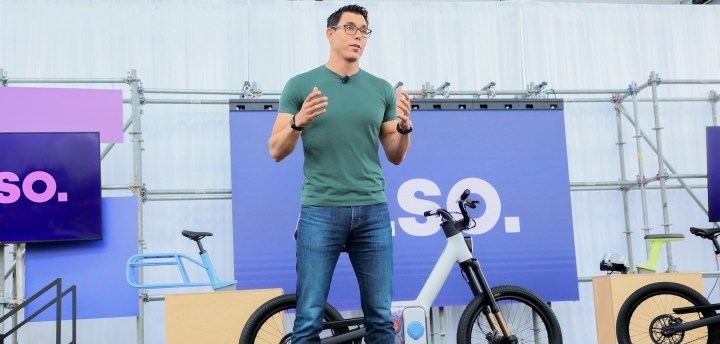
In response to public criticism, Also product manager Saul Leiken published a 661-word message on Reddit over the weekend. Leiken acknowledged the delays and expressed regret regarding how the company communicated changes to the delivery schedule, while emphasizing that manufacturing standards were prioritized over rushing shipments.
Leiken cited significant supply chain bottlenecks as a primary factor behind the setback, attributing part of the constraint to the broader surge in artificial intelligence hardware demand. The increased competition has made it difficult for Also to secure adequate printed circuit board and integrated circuit components, forcing engineers to identify alternative parts and conduct further testing to ensure compatibility with the original design.
Regulatory challenges surrounding the bike’s energy architecture have introduced additional hurdles. Designed to provide up to 100 miles of range using either 538Wh or 808Wh battery packs, the TM-B features a 240W power delivery capability. Because that output crosses existing regulatory limits, Also must partner with standards bodies to develop new safety and evaluation procedures.
Manufacturing complications have also arisen from the vehicle's custom "DreamRide" powertrain. The setup operates as a pedal-by-wire system, eliminating any physical mechanical linkage between the pedals and the drive wheel. Instead, rider pedaling powers a generator motor to recharge the battery system, while a separate software-managed motor at the rear wheel provides propulsion through a Gates Carbon belt drive. Leiken noted that the high level of precision required to produce the assembly has slowed the initial production scale-up.
Addressing the tradeoffs involved in bringing the complex model to market, Leiken stated that the company chose to uphold strict quality benchmarks rather than compromise to meet early delivery windows. "With any complex and technology-laden product, we have a choice," Leiken wrote. "As we ramp production we can relax standards against an original timeline or we can hold to a high standard and face potential delays. We believe our decision to hold that standard was, and is, the right one. And, at the same time, we agree that we should have been more communicative along the way."
Sources
Written by
The Company Wire
Inside the companies building what’s next. Reporting on startups, technology, funding and the people shaping them.