Waymo Begins Restoring Freeway Routes After Construction-Zone Recall
Phoenix rides are returning first, with Los Angeles and the San Francisco Bay Area expected to follow after software updates.
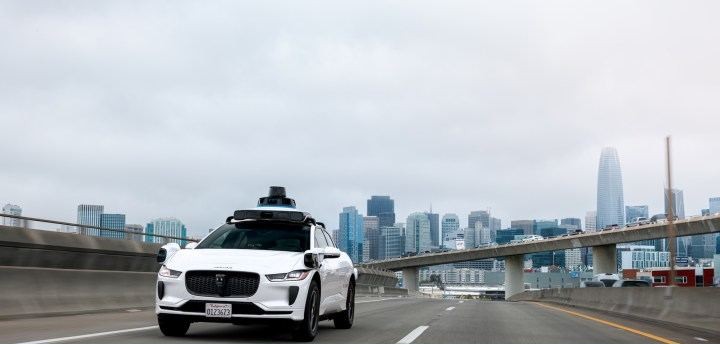
Waymo is gradually restoring freeway service more than two months after restricting high-speed routes because its robotaxis entered highway construction zones. Phoenix will receive the routes first, followed by Los Angeles, the San Francisco Bay Area and other service areas.
The company says software updates improve recognition and routing around construction. Waymo began offering freeway rides in San Francisco, Phoenix and Los Angeles in November 2025 and later expanded to Miami. The option reduced travel times and improved airport access, making its sudden removal noticeable to riders.
Waymo recalled nearly 4,000 vehicles after identifying at least 13 cases in which robotaxis drove into highway sections closed for construction. No injuries or collisions were reported. The company temporarily limited freeway operations while integrating what it described as recent technical learning.
The restart arrives amid scrutiny of autonomous vehicles around emergency responders and temporary road controls. Construction cones, flares and hand signals change the driving environment faster than a static map can reflect. Failures at freeway speed also offer less time for remote assistance or a safe stop.
The recall was Waymo's sixth and follows software fixes for behavior around school buses and flooded roads. Repeated over-the-air corrections are expected in a learning system, but regulators should distinguish ordinary improvement from safety defects that require public reporting. A robotaxi company should not decide alone when a recurring behavior becomes significant enough to disclose.
Freeway service changes the operational risk because vehicles travel faster and have fewer safe options after a sensor, tire or software problem. Waymo needs robust fallback behavior, remote support and coordination with highway patrol before expanding routes. Riders will benefit from shorter trips, but they should know where the system can enter or exit and what happens if conditions change. Regulators should compare disengagement, collision and recovery data with surface-street service. A careful return can improve mobility, while an aggressive one could turn an isolated failure into a high-speed public event.
Waymo's phased return is more credible than restoring every route at once, but the company should publish performance measures for the updated system. Riders and regulators need to know how it recognizes closures, what happens when confidence is low and how quickly a human can intervene. Freeway access is commercially important. It must also be one of the most carefully validated parts of the service.
Sources
Written by
The Company Wire
Inside the companies building what’s next. Reporting on startups, technology, funding and the people shaping them.