Samsung and Google Raise Prices Across Budget Smartphone Lineups
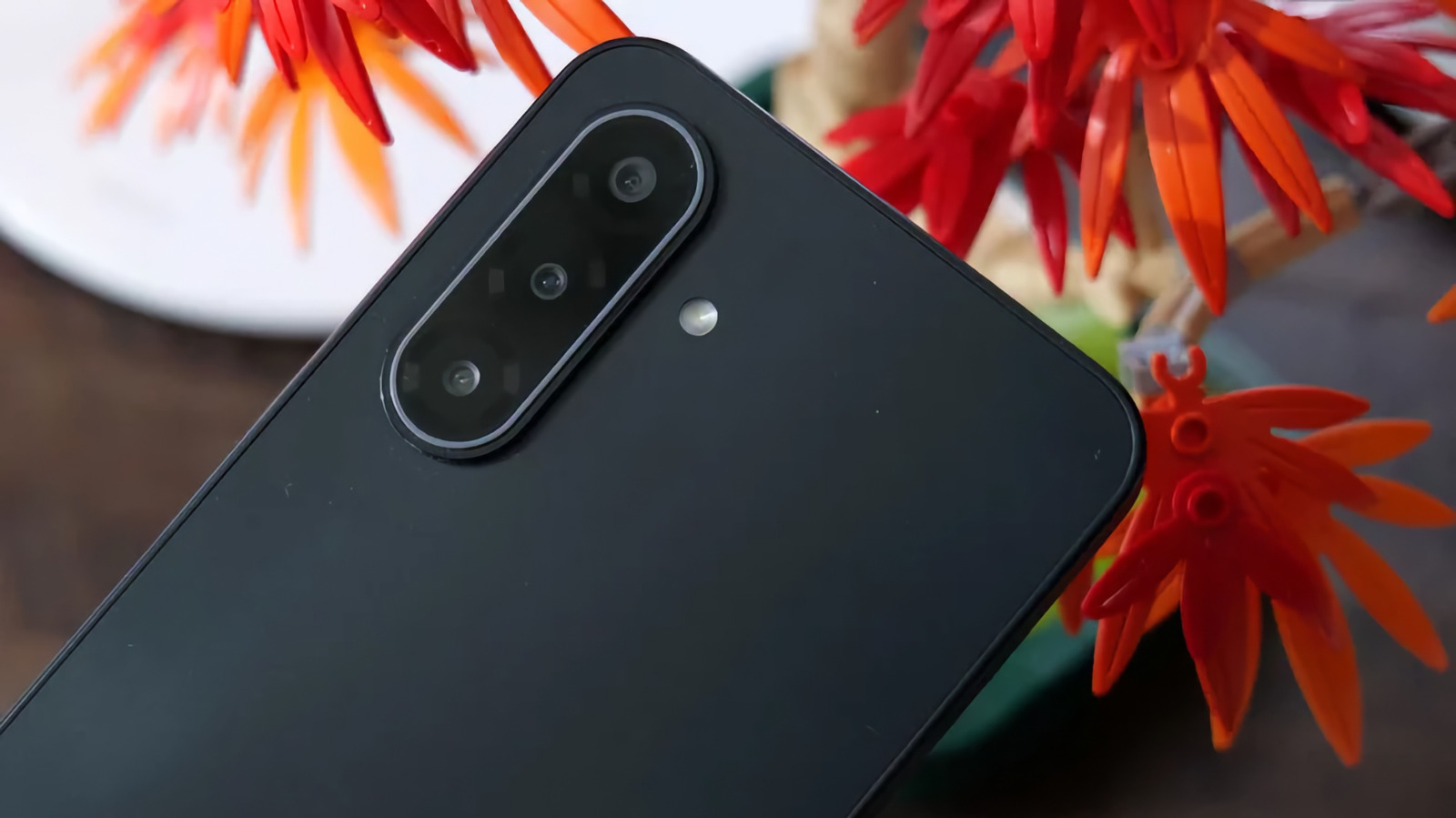
Samsung and Google have raised retail prices on their entry-level and mid-range smartphones, with increases reaching up to $100 amid industry-wide memory component constraints.
Archive
Samsung and Google have raised retail prices on their entry-level and mid-range smartphones, with increases reaching up to $100 amid industry-wide memory component constraints.
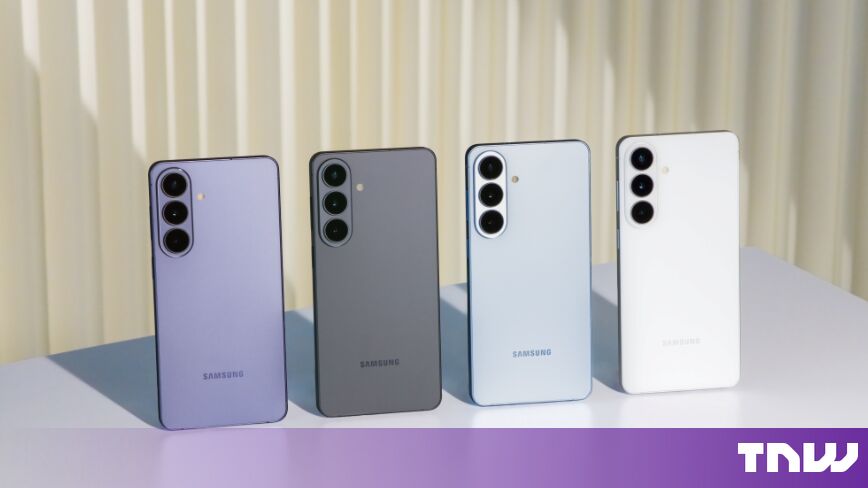
Samsung has added $100 to $200 to its flagship Galaxy S26 lineup in the United States and South Korea, passing soaring memory component costs onto consumers seven months after the phones hit shelves.
A faulty software update distributed by Samsung Electronics to smart refrigerators in South Korea left appliances unable to cool food just ahead of the Chuseok holiday.
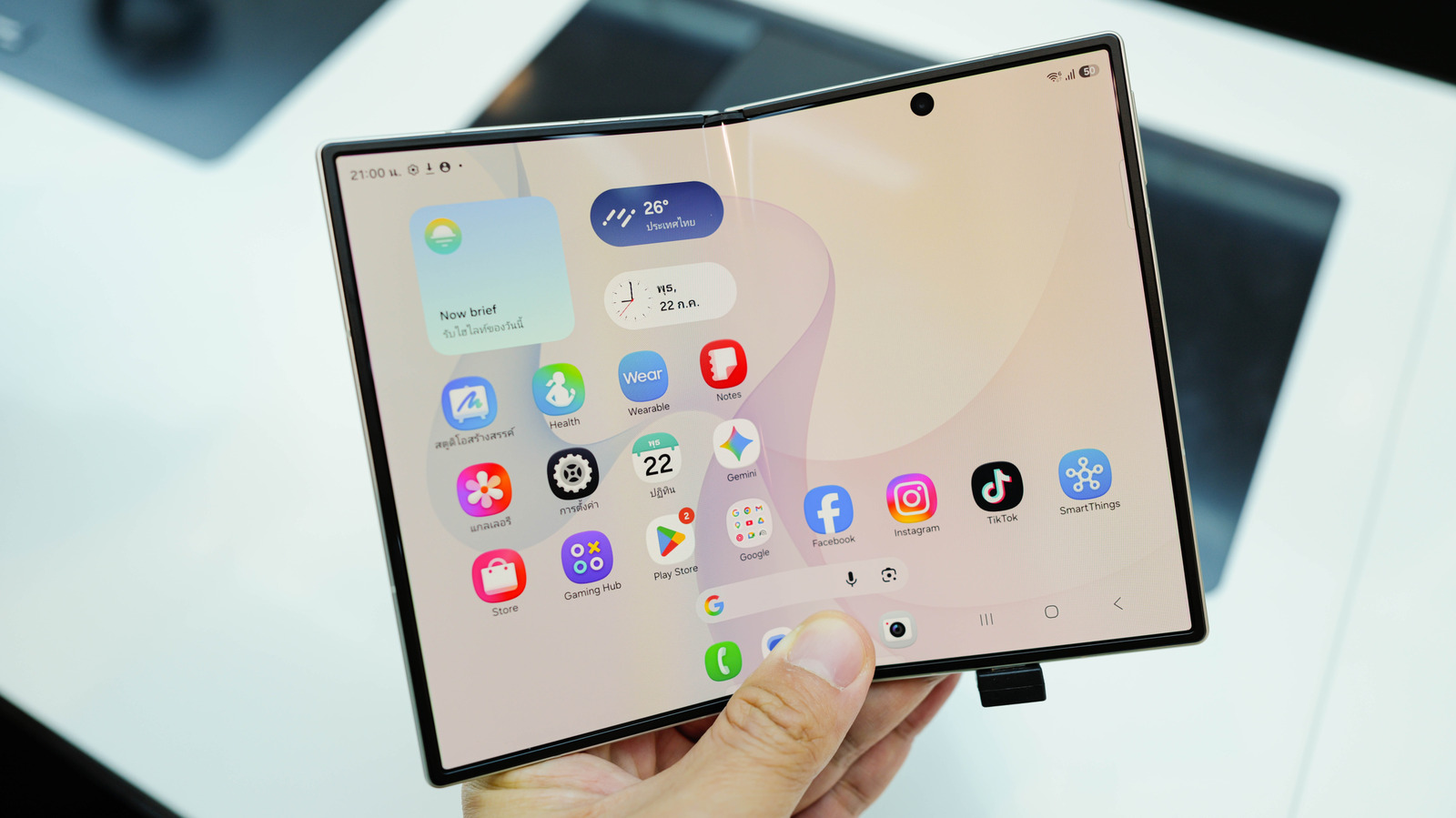
Apple's entry into the foldable smartphone segment with the iPhone Duo is expanding interest across the category, prompting price cuts and early demand for rival Samsung devices.
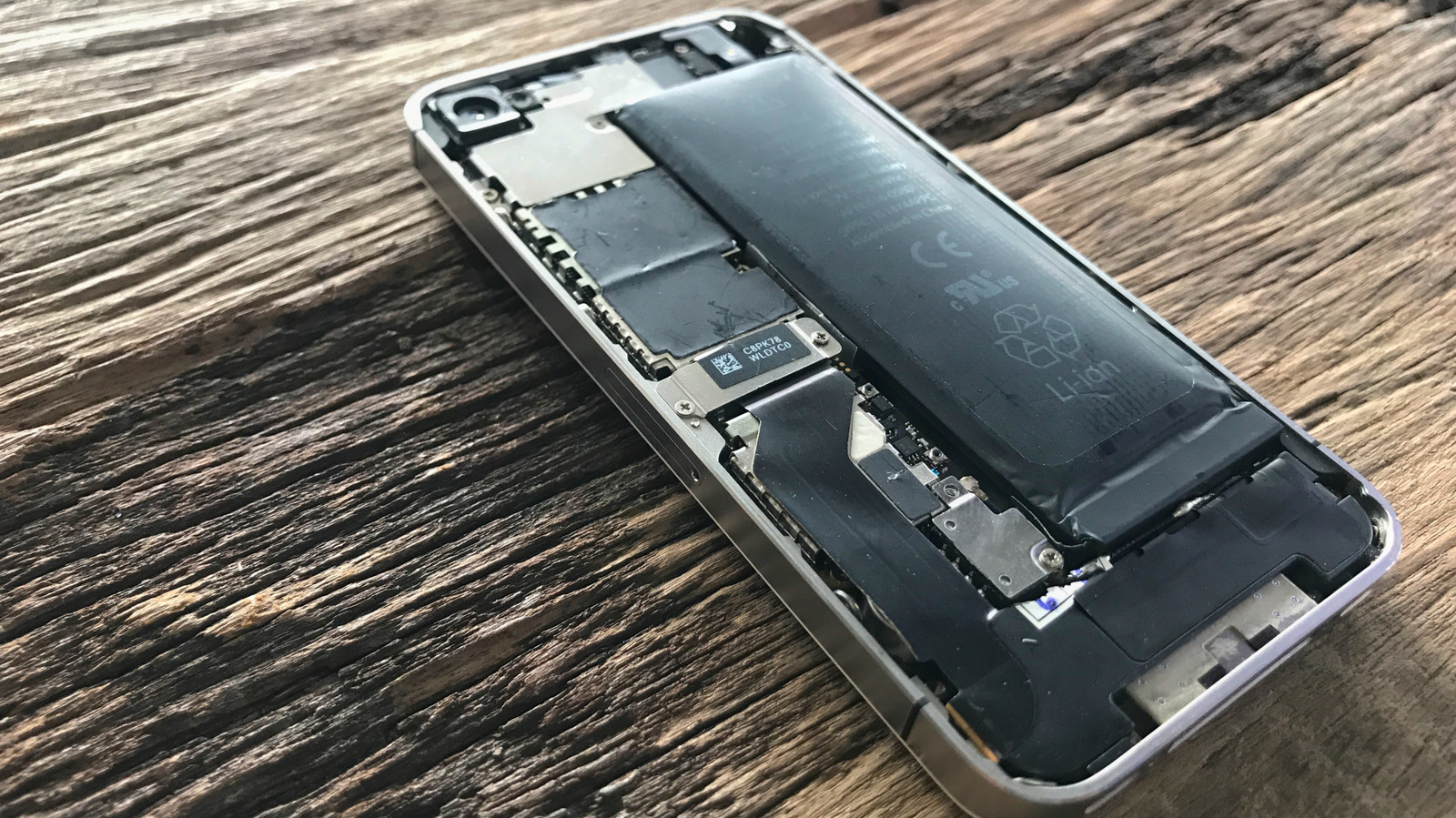
Upcoming European Union regulations are poised to influence smartphone design, potentially ushering in a return to more easily replaceable batteries for consumer devices.
Apple has increased trade-in values for its own devices and expanded its program to include additional Android models from Samsung, Google, and OnePlus.
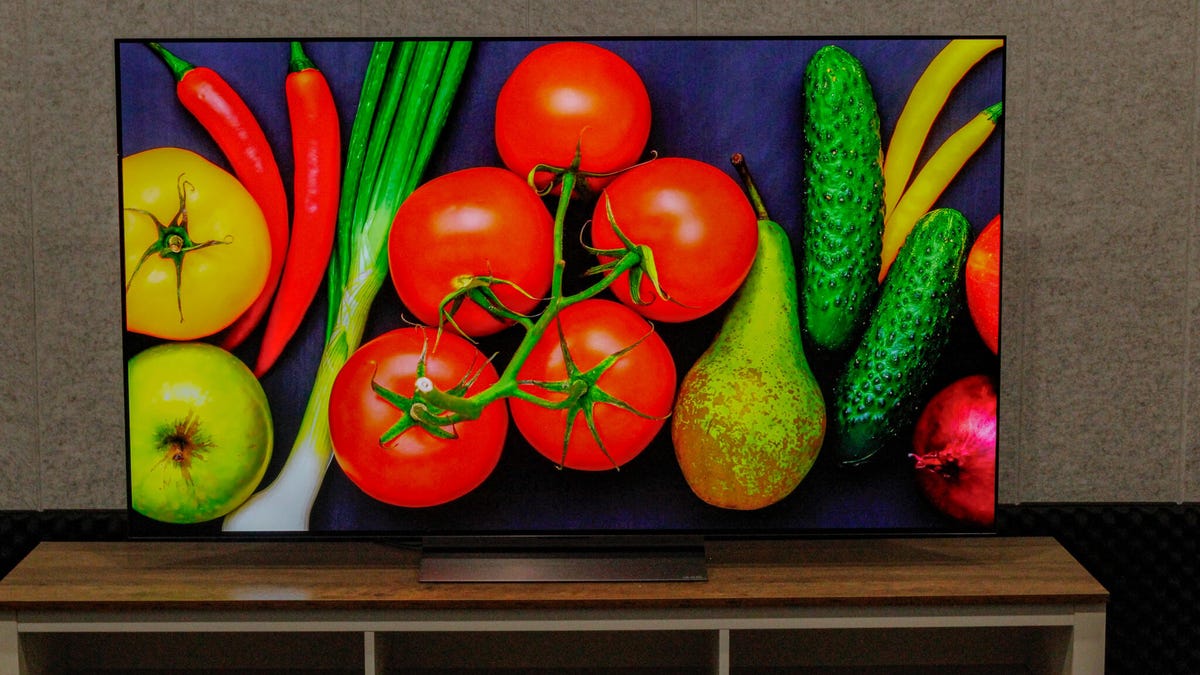
A 65-inch LG C6 OLED television, recognized for its visual fidelity and specialized viewing modes, is currently available for $2,000, representing a $700 discount.
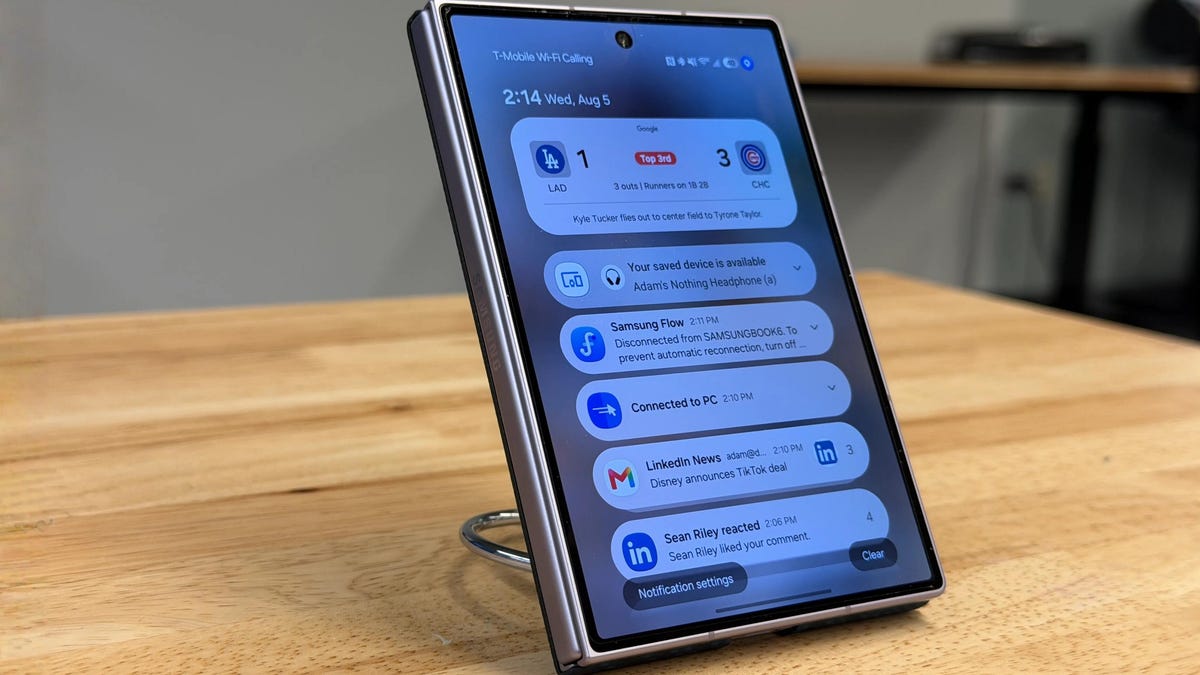
The Samsung Galaxy Z Fold 8, a foldable smartphone, demonstrates improved functionality with two key accessories: a carbon fiber case and a magnetic ring stand.
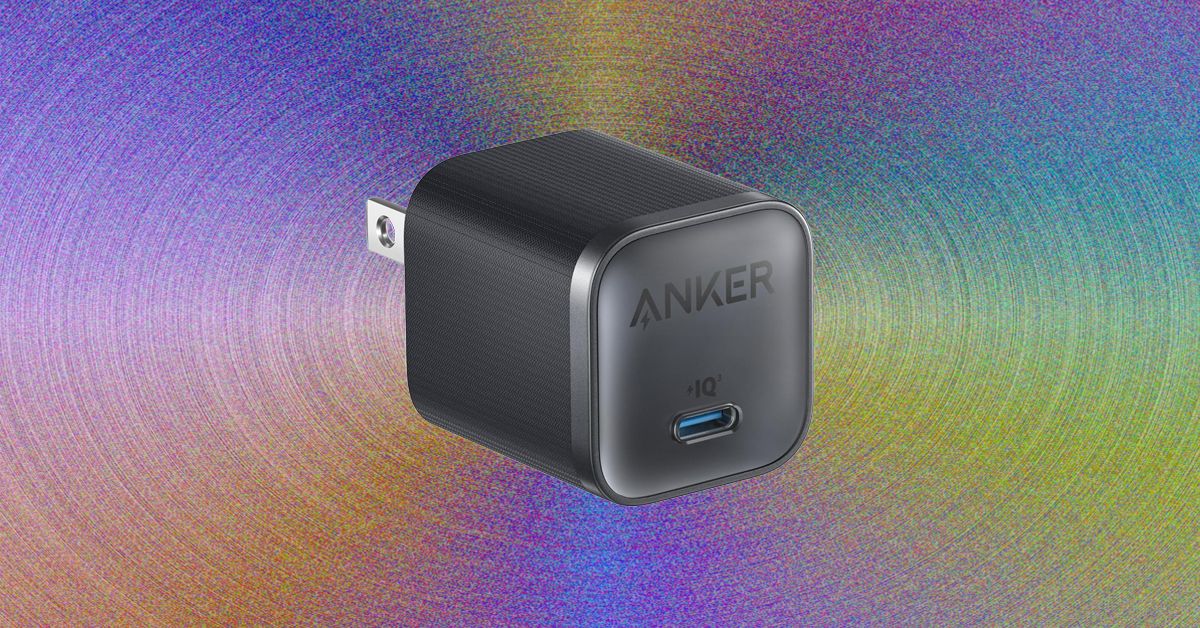
The most effective Android charging equipment varies based on user priorities, from rapid power delivery to portable convenience.
Leasing and guaranteed buybacks could shorten replacement cycles, but the economics favor customers who already upgrade frequently.
AI data-center customers are securing long-term supply, leaving consumer-device makers with higher component costs into 2028.