Smartphone Manufacturers Reconsider Removable Batteries Amidst EU Regulations
Upcoming European Union regulations are poised to influence smartphone design, potentially ushering in a return to more easily replaceable batteries for consumer devices.
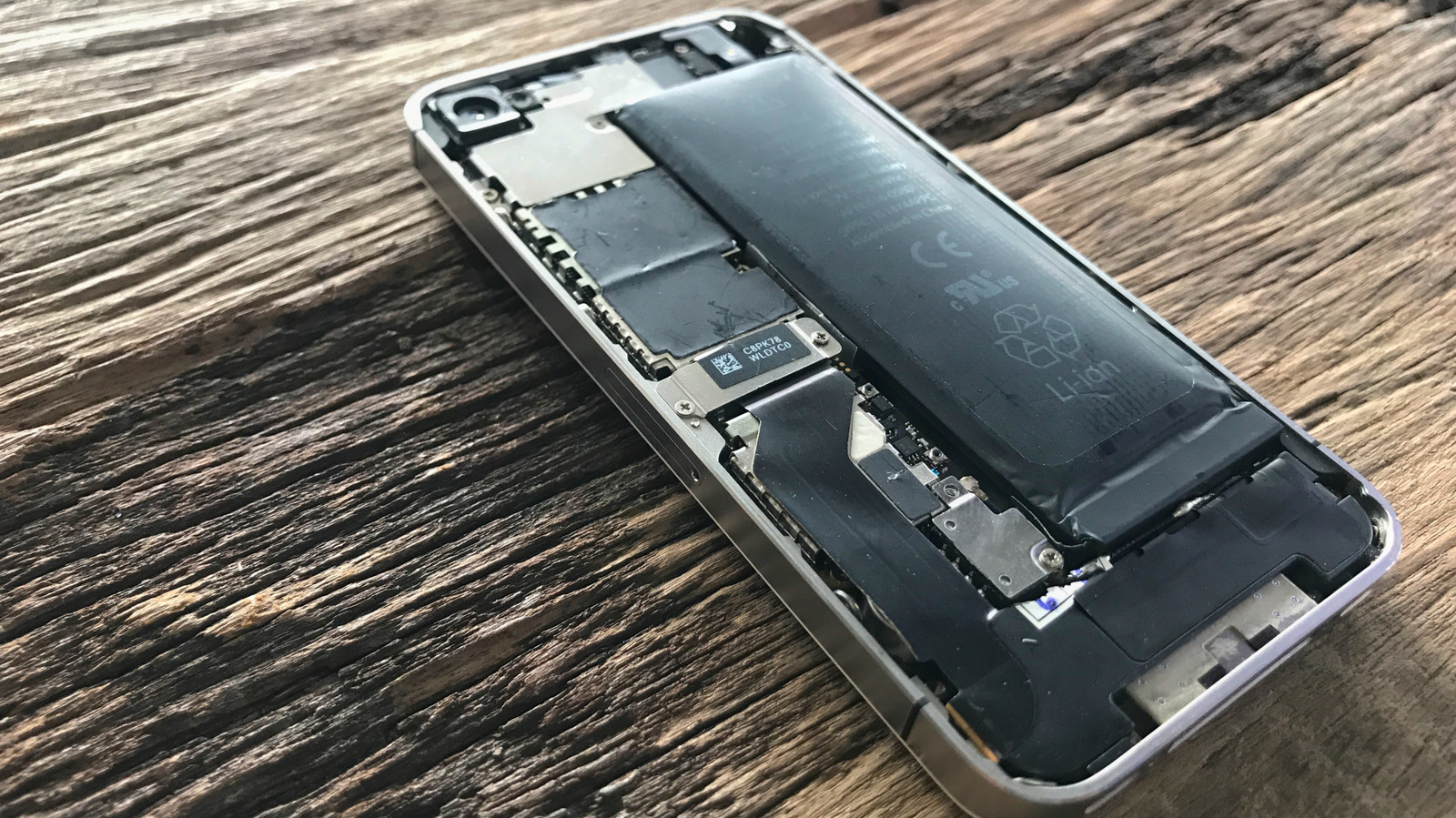
A past era of smartphone design allowed users to readily exchange a device's battery by simply detaching the rear cover. While this design is now uncommon, a forthcoming European Union mandate is expected to reintroduce a form of user-replaceable batteries to the market.
Devices such as the Samsung Galaxy XCover 7 Pro, a robust smartphone built for challenging environments, continue to offer a readily swappable 4,350mAh battery. This model, available through 2026, exemplifies the utility of an easily interchangeable power source for users in remote or demanding conditions. Similarly, the Fairphone 6 features an accessible battery, though its design, which incorporates five screws to secure the battery, represents a shift from earlier models that allowed for simpler removal of the back cover. The Fairphone 6’s construction prioritizes a slimmer profile, a design choice often associated with more complex battery access.
The decline of user-replaceable batteries has been attributed to several factors, including a consumer preference for thinner device profiles. Phones designed with removable batteries typically necessitate specific components, such as screws and clips, which can increase overall thickness. By foregoing removable batteries, manufacturers gain greater flexibility to integrate internal components more compactly within a slender chassis. Furthermore, the contemporary demand for premium materials like glass and aluminum for device bodies poses challenges for removable back panels, as these materials, particularly glass, are more susceptible to damage. The Fairphone 6 and Galaxy XCover 7 Pro, both featuring user-replaceable batteries, utilize plastic for their bodies and back panels, offering greater flexibility.
Modern smartphones also frequently incorporate sealed designs to enhance resistance against dust and water. For instance, the iPhone 17 series boasts an IP68 rating, indicating its ability to withstand submersion in water up to 19 feet deep for 30 minutes. Removable back covers could compromise this protection, increasing vulnerability to environmental elements upon impact or mishandling. However, water resistance with a removable back is not an impossibility; the Samsung Galaxy XCover 7 Pro, despite its removable battery and back cover, maintains an IP68 rating. Samsung has indicated that the device utilizes gaskets and seals around critical areas like the camera, SIM, and battery slots to ensure component protection.
Another consideration for manufacturers is the potential impact on upgrade cycles. Devices with easily replaceable batteries could extend product lifespans, prompting consumers to retain their phones for longer durations rather than frequently purchasing new models. This dynamic could potentially reduce the frequency of device upgrades.
Effective February 2027, new European Union legislation will mandate that phones and tablets sold within the bloc feature user-removable batteries. This regulation aims to prolong device longevity, decrease electronic waste, and facilitate the recovery of valuable raw materials such as lithium and cobalt from spent batteries. The expectation is that manufacturers will adopt universal designs rather than developing region-specific versions, potentially extending the availability of removable batteries to markets beyond the EU. A precedent for this effect was observed with the iPhone, which transitioned to a USB-C port from its proprietary Lightning port in response to an EU regulation standardizing charging connections.
Despite the impending regulation, consumers may not necessarily see a widespread return to batteries that can be effortlessly detached. The EU directive defines a battery as “removable by the end-user” if it can be extracted using commonly available tools like screwdrivers, without requiring specialized equipment (unless provided free of charge) or adhesives that necessitate heat or solvents for removal. This interpretation suggests that devices could still feature batteries secured by screws, with manufacturers potentially supplying any non-standard tools required for removal.
A significant exemption within the regulations could allow certain devices, such as the iPhone, to bypass a complete redesign. This clause permits companies to supply replacement batteries exclusively to professional repair services (rather than end-users) if their devices meet specific criteria. These include a battery capacity retention of at least 83 percent after 500 charge cycles and 80 percent after 1,000 charge cycles, alongside a minimum IP67 water and dust resistance rating. Apple has stated that batteries in iPhone 15 models and newer are engineered to retain 80 percent of their original capacity after 1,000 charge cycles under optimal conditions, and the iPhone 17 series possesses an IP68 rating. Consequently, other devices meeting these benchmarks may also qualify for this exemption. This suggests that while numerous new phones may feature more accessible battery replacement options starting next year, manufacturers might not be compelled to radically alter the designs of their higher-end models.
Sources
Written by
The Company Wire
Inside the companies building what’s next. Reporting on startups, technology, funding and the people shaping them.