Chinese Regulators Order Tesla to Address Door Latch Safety and Driver Monitoring Across Millions of Vehicles
The automaker must apply physical warning labels, issue window-lowering software patches, and update interior cabin gaze tracking for nearly 3 million cars in China.
Chinese safety regulators have mandated that Tesla carry out two significant recalls affecting nearly 3 million electric vehicles across the country. The regulatory actions target critical safety hazards associated with electronic door releases during emergency crashes and deficiencies in the automaker's driver monitoring mechanisms. The directives require Tesla to combine physical service interventions with over-the-air software distributions across its vehicle lineup in its most important international market.
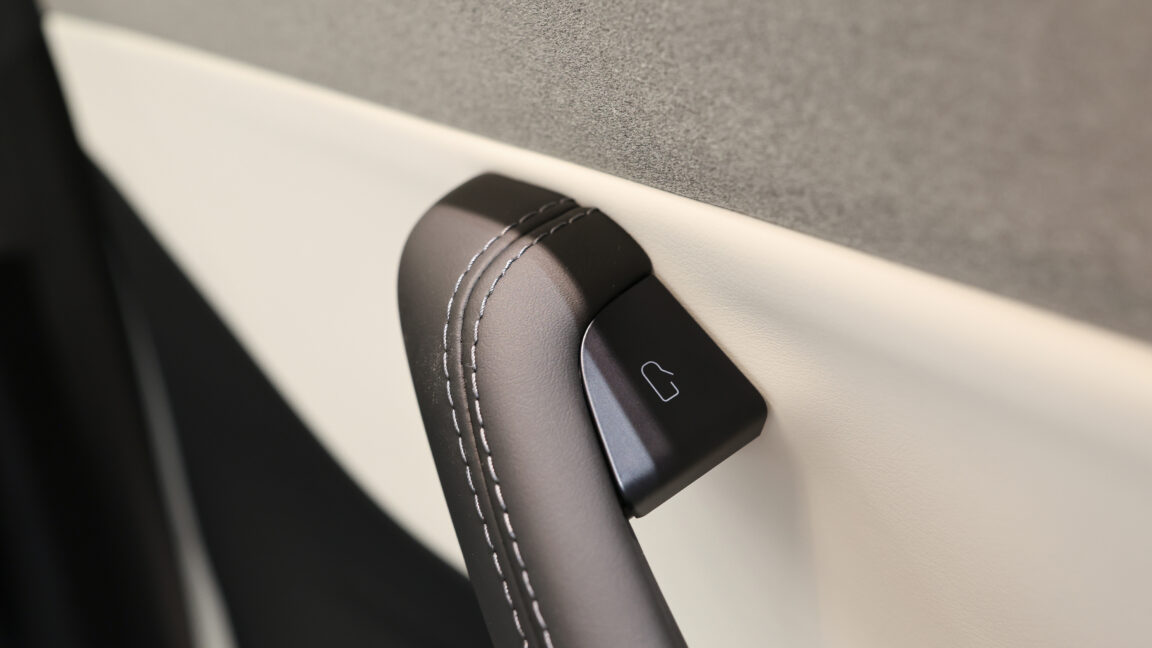
The largest of the two actions mandates corrective measures for 2.98 million Model 3 sedans and Model Y crossover SUVs operating in China. Regulators determined that the vehicles' electronic door mechanisms pose severe risks during severe collisions, particularly if an impact cuts off the vehicle's electrical power supply and leaves occupants unable to exit. To resolve the issue, Tesla must place visible warning labels inside the cabin to instruct passengers on how to locate and operate manual emergency door releases for the rear seats.
Because the label placement demands physical application inside each cabin, Tesla cannot resolve the door issue entirely through remote software fixes and must coordinate physical access for nearly 3 million vehicles. Alongside the interior labeling program, Tesla is required to issue an over-the-air software update that automatically lowers all four vehicle windows immediately upon detecting a crash event, ensuring an alternate evacuation route or ventilation path if the doors fail to open.
The directive comes amid heightened scrutiny by Chinese safety officials regarding the widespread adoption of electronically actuated door handles across the automotive industry. As first reported by Ars Technica, Chinese authorities began taking stricter enforcement measures after several high-profile accidents resulted in fatalities when occupants were trapped inside burning vehicles following power loss. New regulations taking effect in China next year will mandate specific physical dimensions for manual door handles on all newly approved vehicle models, though existing production vehicles like the Model 3 and Model Y remain grandfathered under older standards until the end of 2028.
Concurrently, Tesla is executing a second recall in China covering 2.74 million vehicles to overhaul its active driver monitoring software. Up to this point, Tesla’s driver monitoring system in the region has relied primarily on steering wheel torque sensors, which measure resistance on the wheel to verify whether a driver is actively holding the controls while automated or semi-automated driving features are engaged.
Under the newly mandated software update, Tesla will repurpose the interior cabin cameras installed in the Model 3 and Model Y to establish visual gaze-tracking capabilities. Rather than relying solely on steering force detection, the updated system will monitor the driver's eyes and head position to confirm continuous visual engagement with the roadway.
The enforcement action follows previous reports highlighting vulnerabilities in camera-based driver oversight. Electric vehicle outlet Electrek previously reported that some Tesla drivers in China successfully bypassed cabin camera monitoring systems used in conjunction with advanced driver-assistance features by mounting a doll's head directly in front of the lens, raising questions about the system's ability to prevent driver misuse.
Together, the dual recall directives underscore the intensifying regulatory environment facing global electric vehicle manufacturers operating in China. Tesla will need to manage the logistics of physical vehicle label retrofits alongside nationwide software rollouts to ensure full compliance with Chinese government transport safety guidelines.
Sources
Written by
The Company Wire
Inside the companies building what’s next. Reporting on startups, technology, funding and the people shaping them.