Tesla Issues Recalls for 3 Million Vehicles in China Over Door Handles and Driver Monitoring
The electric vehicle manufacturer is issuing software updates and hardware fixes following Chinese regulatory shifts around door safety and driver attention systems.

Tesla has launched voluntary recall campaigns covering approximately 3 million vehicles in China to fix two distinct safety vulnerabilities affecting its electronic door latching systems and driver attention monitoring technology. The regulatory notices, published on Friday by Tesla alongside China's state product safety regulator, highlight ongoing operational challenges for the electric vehicle maker as it attempts to defend its market footprint in the world's largest automotive territory, as first reported by CNBC Business.
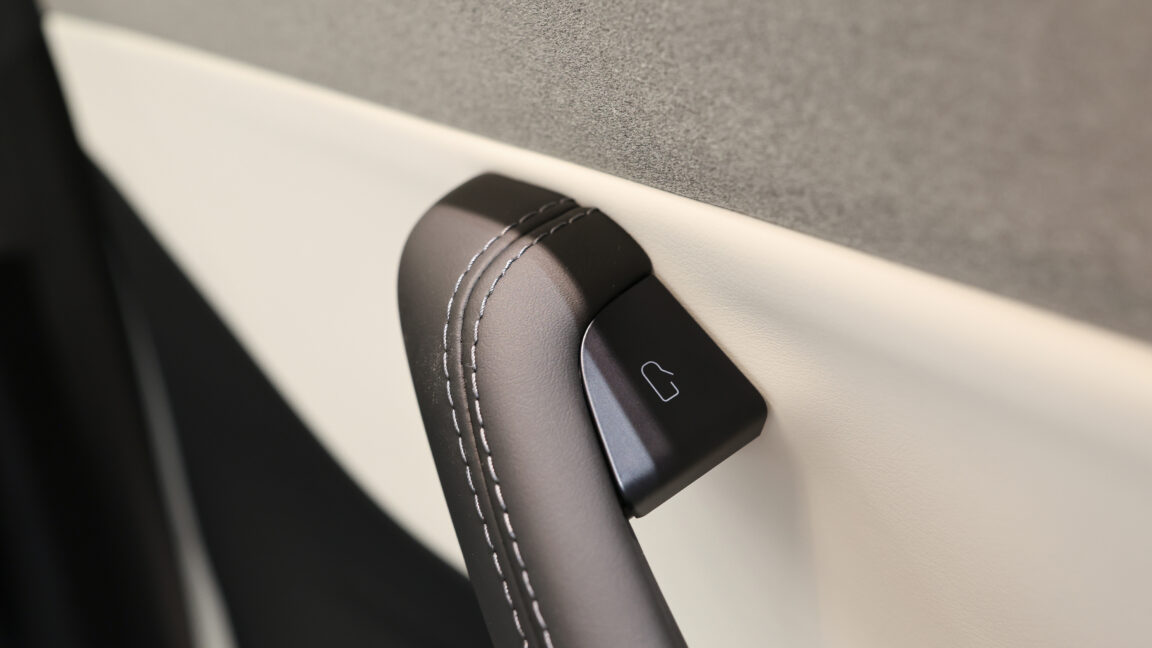
The larger safety action targets Tesla's flush-mounted, electronically operated retractable door handles. In its official filing, the automaker cautioned that high-severity vehicle collisions could trigger a sudden failure within the car's low-voltage electrical architecture. Such power interruptions can lock the door handles in place, potentially preventing passengers from quickly opening the doors to evacuate the cabin after an accident while also hampering rescue attempts by external first responders, thereby creating a substantial hazard.
To address the door handle mechanism vulnerability, Tesla plans to attach explicit warning labels to impacted cars and push an over-the-air software update targeting the window control systems. This software modification will configure the power windows to automatically descend immediately after the vehicle senses an impact event, ensuring a secondary escape path for cabin occupants. The door handle campaign covers imported and locally built Model 3, Model Y, Model S, and Model X cars produced between March 4, 2019, and April 29, 2026.
Flush door handles, popularized globally by Tesla, have become a standard aesthetic and aerodynamic feature among competing Chinese automakers such as Xiaomi and Geely. Both firms, along with several other regional car manufacturers, released parallel recall announcements in China on Friday. Reports of passenger fatalities linked to inoperable or jammed electronic door handles have prompted Chinese regulators to enforce strict safety standards, triggering widespread recall directives involving a total of nine car companies.
Regulators in North America are evaluating comparable safety standards. The National Highway Traffic Safety Administration in the United States noted in a July regulatory filing that it was commencing formal rulemaking to establish a new federal mandate requiring a clear, easily accessible, and fail-safe door egress mechanism across all passenger motor vehicles on American roads.
Tesla's second recall campaign filed on Friday focuses on deficiencies discovered within its driver attention tracking infrastructure. The driver monitoring system is designed to verify that motorists remain alert and prepared to intervene with steering or braking maneuvers at any moment while operating partially autonomous features like Autosteer.
As a remedy for the driver monitoring flaws, Tesla will issue complimentary over-the-air software patches that combine in-cabin optical camera monitoring with the steering wheel's existing torque sensors. This dual-layer detection approach is intended to more aggressively prompt drivers to stay focused on the road and regain manual control when required. For older or incompatible vehicles unable to process remote software updates, Tesla service centers will directly contact owners to arrange manual repairs. This tracking update applies to locally produced Model 3 and Model Y cars manufactured between March 4, 2019, and December 7, 2025.
The dual safety recalls arrive amid increasing competitive headwinds for Tesla across the Chinese electric vehicle landscape. Although the Model Y continues to rank among the most popular vehicles in the country, domestic rivals such as BYD and consumer technology firm Xiaomi are eroding Tesla's market share with more affordable and technologically advanced models. Figures from the China Passenger Car Association indicate that Tesla delivered 25,158 Model Y vehicles in China in July, representing an 18% decrease compared to the 30,766 units handed over during the corresponding period last year.
Sources
Written by
The Company Wire
Inside the companies building what’s next. Reporting on startups, technology, funding and the people shaping them.