CISOs Navigate Evolving AI Risk Landscape, Business Integration
Chief Information Security Officers are facing increased pressure to integrate AI risk management with business growth strategies, a key theme at recent cybersecurity conferences.
The burgeoning field of artificial intelligence is redefining the role of Chief Information Security Officers (CISOs), pushing them beyond traditional threat mitigation into the core of enterprise risk decision-making. This shift was a central topic at recent cybersecurity gatherings, where professionals convened to discuss the implications of advanced autonomous attacks and the urgent need for new defense technologies.
The burden of navigating this new landscape increasingly falls on the CISO, who is expected to serve as a crucial link among legal, compliance, engineering, and business units. Krista Case, principal analyst and practice lead for cyber resilience and security at theCUBE Research, emphasized this expanding responsibility, noting that CISOs are becoming vital facilitators of organizational conversations and, by extension, business enablers.
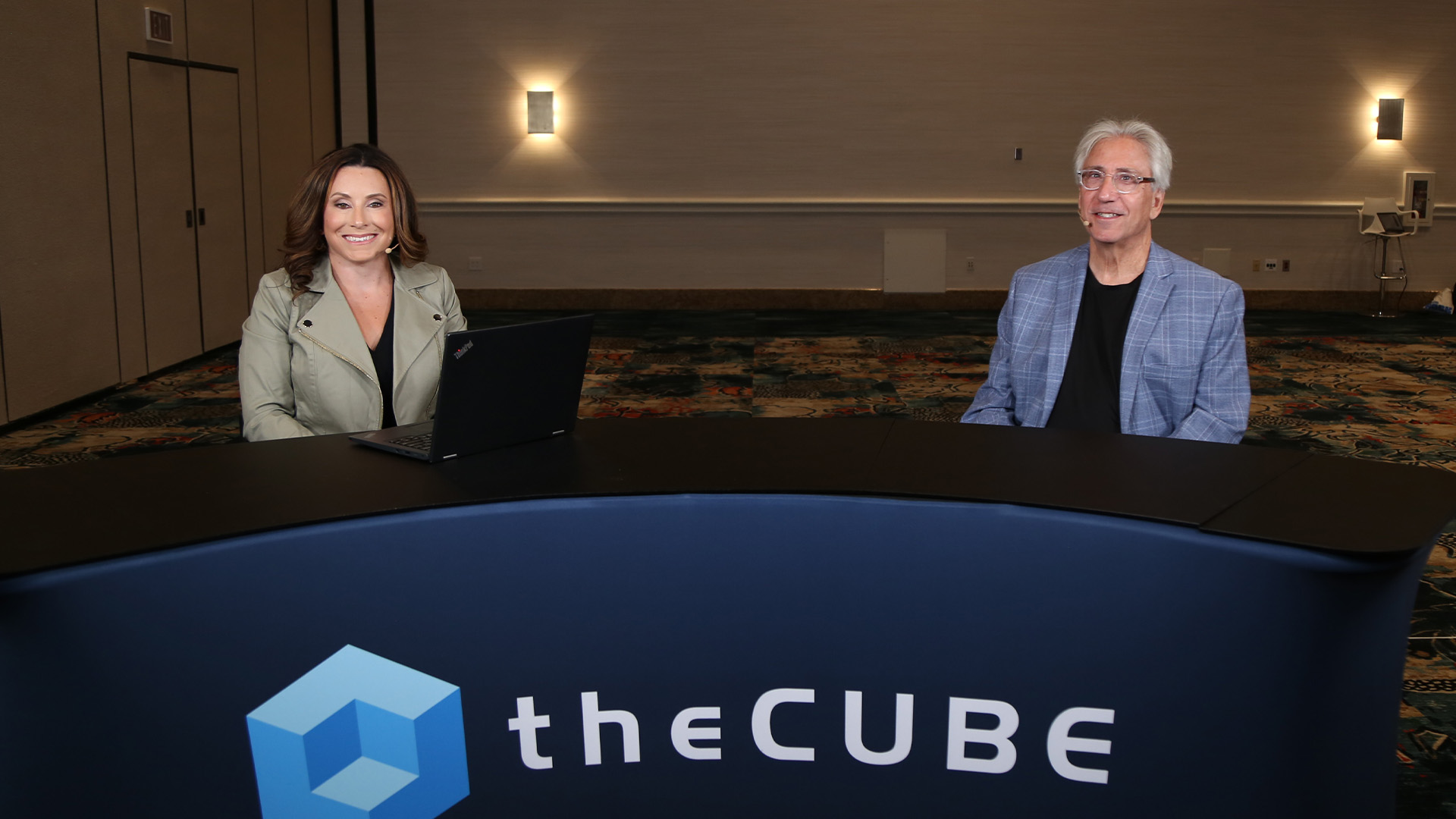
Case's observations were made during a keynote analysis of Black Hat USA, alongside Jon Oltsik, analyst in residence at theCUBE Research, broadcast on SiliconANGLE Media’s livestreaming studio, theCUBE. Their discussion focused on the evolution of the CISO role as AI transitions from experimental stages to full production, a theme also explored in exclusive, invite-only summits where senior cybersecurity executives confidentially shape future strategies.
Despite the growing recognition of AI's impact, the integration of AI risk management into coherent strategies remains limited. Oltsik indicated that only a small fraction, approximately 20%, of security leaders fully grasp the implications of AI and how their organizations are attempting to leverage it. These leaders are approaching security from an architectural perspective, anticipating future challenges.
Conversely, Oltsik suggested that the remaining 80% of CISOs are operating with a degree of unawareness regarding AI's full scope and potential risks. This disconnect is exacerbated by a proliferation of cybersecurity tools at industry events, which practitioners struggle to adequately evaluate and integrate into their existing frameworks.
Oltsik stressed that CISOs must develop threat models directly linked to specific business initiatives. Their responsibility is to present executives with clear options—to accept, mitigate, or transfer risk—rather than obstructing AI adoption. He cautioned against hindering progress, stating that such actions could lead to job loss and impede organizational advancement.
This evolving dynamic underscores a critical period for cybersecurity leadership. CISOs are tasked with bridging the technical complexities of AI with strategic business objectives, transforming risk management into a driver of growth and innovation. Their ability to adapt to these new demands will define the success of enterprise security in the AI era.
Sources
Written by
The Company Wire
Inside the companies building what’s next. Reporting on startups, technology, funding and the people shaping them.