Hyundai CEO Warns US Market Needs Fair Trade Protections to Withstand Chinese EV Entry
José Muñoz says vertical integration and manufacturing scale, rather than rival-specific strategies, will anchor Hyundai as low-cost competition looms.

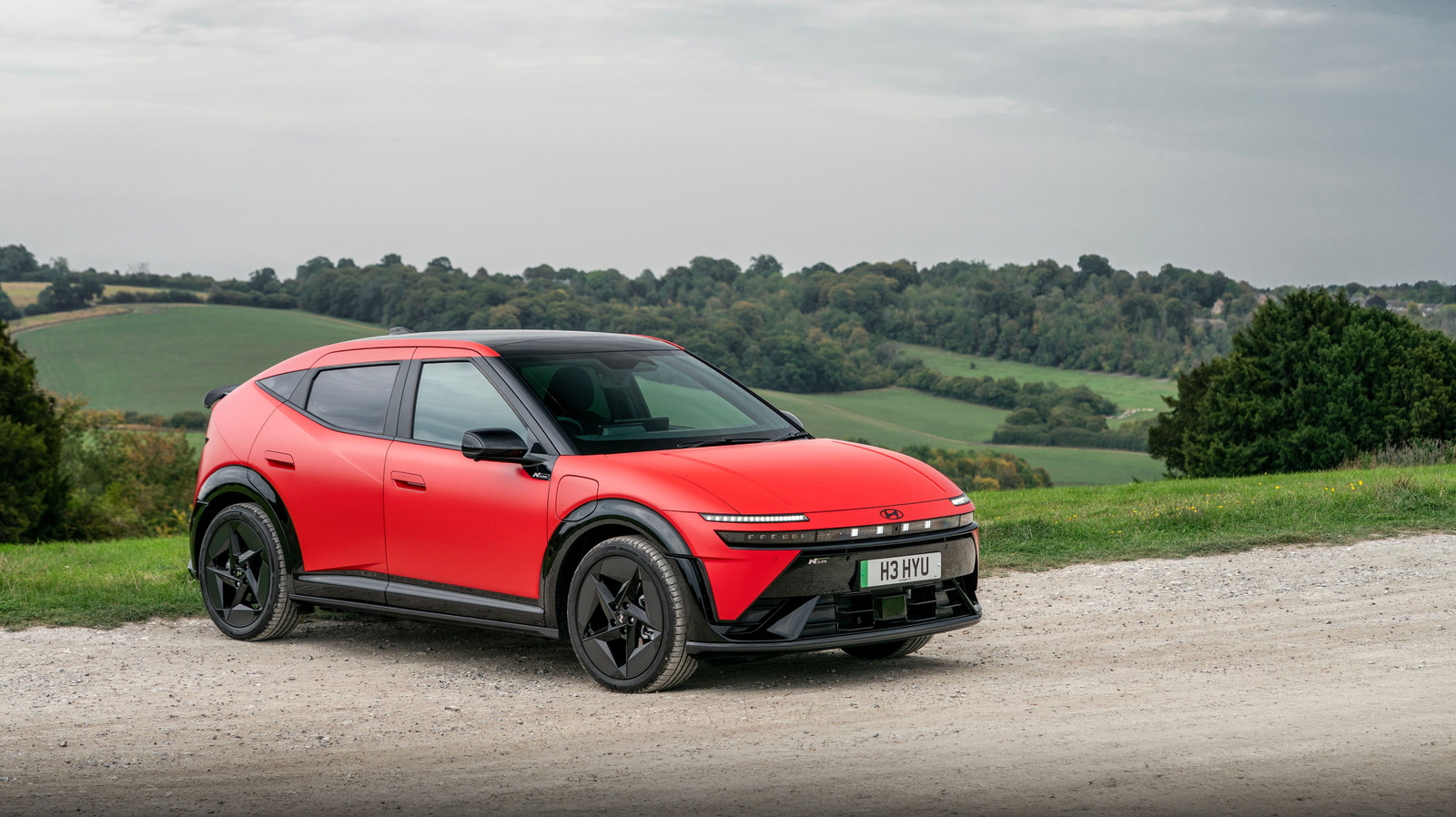
Maintaining a level regulatory playing field is vital to preventing the United States automotive market from being overrun by low-cost Chinese electric vehicle imports, Hyundai Chief Executive Officer José Muñoz said in an interview published by The Verge. Speaking at the unveiling of the 2027 Hyundai Tucson in New York City, Muñoz voiced cautious optimism that balanced trade policies and internal manufacturing improvements can insulate the company from the rapid market displacement seen across European markets.
Chinese vehicle manufacturers have expanded rapidly across Europe, taking market share from legacy brands including Volkswagen, Volvo, and Mercedes-Benz. Imported Chinese electric vehicles sell for roughly 30 percent less on average than competing European models, even after accounting for European Union import tariffs. While heavy tariffs and federal prohibitions on Chinese software currently bar those vehicles from entering the United States, industry observers anticipate that Chinese automakers will eventually establish a North American footprint. President Donald Trump has also repeatedly stated that he is open to Chinese automakers building domestic plants if they hire American workers.
Despite the prospect of eventual entry through localized production or partnerships, Muñoz said Hyundai has not crafted defensive strategies targeted specifically at Chinese competitors. Instead, the company is relying on vertical integration and localized supply chains to lower production costs while preserving product quality. Muñoz cited Hyundai's $5.8 billion investment in a Louisiana green steel facility as an example of internalizing key material supply chains, noting that the same in-house philosophy applies to software and core automotive components.
The United States continues to lag international adoption rates, with electric models accounting for less than 6 percent of domestic auto sales, compared to over 20 percent in Europe and more than 60 percent in China. The gap widened after the elimination of federal EV subsidies under the Trump administration, compounded by infrastructure gaps and a scarcity of affordable battery-electric models. Muñoz nonetheless expressed confidence in long-term US competitiveness, pointing to Hyundai's battery manufacturing joint venture with SK On in Georgia near its Metaplant facility as key to scaling domestic volume and reducing battery expenses.
Unlike competitors that have scaled back electrification roadmaps, Hyundai continues to sell full-electric models such as the Ioniq 5 and Ioniq 9 while leaning on hybrid demand to support its broader portfolio. Strong hybrid adoption recently lifted Hyundai Group ahead of Honda into second place in US hybrid sales, behind only Toyota.
Sources
Written by
The Company Wire
Inside the companies building what’s next. Reporting on startups, technology, funding and the people shaping them.