Insta360’s $298M Memory Chip Bill Underscores Action Camera Shakeup as GoPro Sells
Surging component costs driven by AI data center demand pushed GoPro into a rescue merger while Insta360 absorbed the hit and expanded overseas.
A severe component crunch driven by the artificial intelligence infrastructure buildout has split the action camera industry by balance-sheet strength, highlighted by Shenzhen-based Insta360 spending nearly 2 billion yuan ($298.4 million) on memory chips in the first half of the year—an outlay that rivals the cash acquisition price of legacy competitor GoPro.
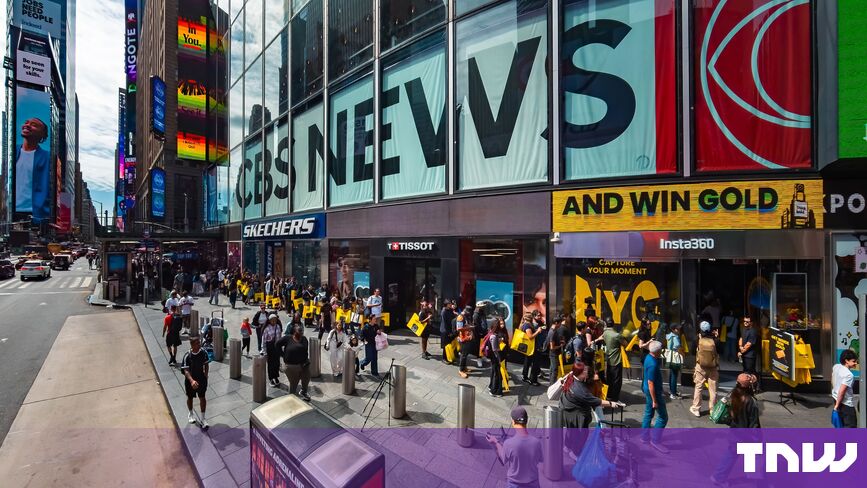
Insta360 punctuated its momentum this month by opening a flagship store at 1515 Broadway in New York’s Times Square, its first retail location in the United States and second outside China following an August launch in Tokyo, according to a report by The Next Web. In an interview with the South China Morning Post, Insta360 co-founder Max Richter stated that an equivalent procurement expenditure will be unavoidable in coming quarters as global memory pressures persist.
The staggering procurement line contrasts sharply with the fate of GoPro, which agreed on September 1 to merge with Starman Optical. Under the terms of the deal, GoPro shareholders will receive $285 million in cash at $1.14 per share and retain roughly a 10% equity stake in the combined entity, while Starman retires approximately $92 million in GoPro debt. The transaction is slated to close by year end subject to regulatory and shareholder approval.
Both hardware makers faced the same underlying shock: surging AI data center demand diverted semiconductor wafer capacity away from consumer-grade memory, driving camera memory chip prices up between 80% and 115%. While Insta360 absorbed the inflation to remain profitable—posting a 94% decline in half-year net profit alongside a 50% rise in revenue and an 80% jump in research spending—GoPro suffered a 26% revenue drop, cut 23% of its workforce, and faced potential debt covenant breaches before agreeing to a sale.
The merged GoPro will maintain its Nasdaq listing while pivoting toward defense, government, aerospace, and AI data center imaging markets, with founder Nicholas Woodman describing the combined entity as an American imaging firm focused on national security.
Market dynamics among the category leaders are shifting on multiple fronts. Market leader DJI was placed on the U.S. Federal Communications Commission's covered list in December 2025 after a mandated security audit was not completed by the statutory deadline, preventing radio certification for new products. While authorized existing models remain on shelves, the FCC has proposed expanding restrictions to revoke prior approvals for DJI drones equipped with thermal imaging, LiDAR, and docking systems.
According to IDC data for the first quarter, DJI held 65% of the global handheld smart camera market compared to Insta360’s 22%, though Insta360’s unit shipments climbed 66% year-on-year against DJI’s 38%. In the dedicated 360-degree camera segment, Insta360 commands a 68% market share and has shipped 10 million total cameras since 2015. Richter noted that Insta360 currently faces no U.S. restrictions and plans further international expansion in Munich or Amsterdam ahead of prospective European retail partnerships in 2027.
Sources
Written by
The Company Wire
Inside the companies building what’s next. Reporting on startups, technology, funding and the people shaping them.