Meta Challenges Apple’s Vision Pro Strategy with Lighter, $1,299 VR Glasses
By moving compute components to a tethered puck and accepting a narrower field of view, Meta outlines an alternative path for spatial hardware.
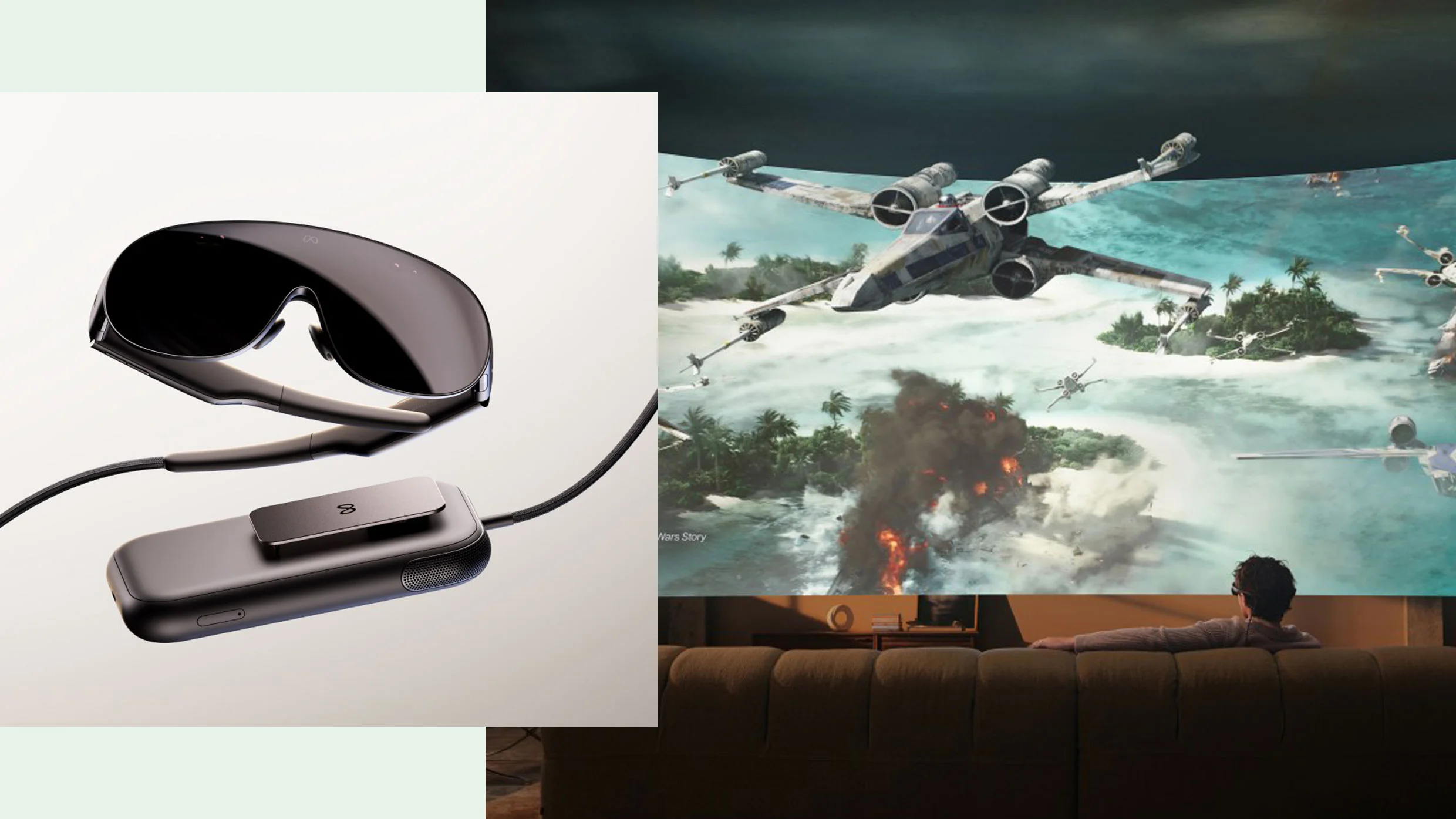
Meta Platforms announced an upcoming head-worn device that challenges Apple's spatial computing strategy through lower display costs, reduced headset weight, and compatibility with an existing software catalog, as analyzed in a report by Fast Company Tech . Scheduled to go on sale next year for $1,299, the Meta VR Glasses arrive at roughly one-third the price of Apple’s Vision Pro, which sells between $3,499 and $3,699.
Display hardware represents a central divergence between the two devices. The Vision Pro uses dual 4K Sony micro-OLED panels that provide roughly 23 million pixels across a 100-degree horizontal field of view. According to an Omdia estimate cited by Fast Company Tech, the two internal Sony screens cost approximately $228 each; combined with the external eye-display panel, Apple's display bill reaches around $530, or 35 percent of the device's estimated component cost. Sony’s low manufacturing yields have also reportedly constrained production to under one million panels annually.
Meta’s VR Glasses cut display resolution to 2,412 by 2,288 pixels per eye—amounting to roughly 11 million pixels, or about half the Vision Pro's count. Meta states the panels achieve 37 pixels per degree, exceeding the Vision Pro's angular resolution, but at the cost of a narrower 70-degree horizontal field of view. Meta also plans to sell an optional peripheral-blocking accessory for users seeking immersive virtual reality viewing.
The two systems also diverge in mechanical architecture and weight distribution. While Apple mounted all processors, cooling hardware, and sensors directly on the headset—reserving its tethered pack strictly for the battery—Meta moved core computing components into its tethered breakout puck. This offloading allows the Meta headset to weigh 100 grams.
Software ecosystems and input methods highlight a final structural contrast. Apple built visionOS around gesture and eye tracking, later adding support for PlayStation VR 2 controllers, though new content releases have since slowed. Meta's VR Glasses will ship without bundled controllers but maintain backward compatibility with Quest 3 controllers and the existing Quest game library, giving buyers immediate access to a developed application catalog.
Sources
Written by
The Company Wire
Inside the companies building what’s next. Reporting on startups, technology, funding and the people shaping them.