AI Data Center Boom Drives Sharp Price Increases Across SSD and HDD Markets
Surging infrastructure demand from hyperscalers is pushing up hardware costs for enterprise buyers and consumers alike.
Expanding artificial intelligence workloads are reshaping digital storage economics, driving steep price increases across both solid-state drives (SSDs) and traditional mechanical hard disk drives (HDDs). As hyperscale cloud providers scale up infrastructure to support large language models and enterprise AI deployment, hardware supply chains are feeling the pressure of concentrated demand.
The global surge in data center capital expenditures has dramatically altered pricing for consumer and enterprise hardware, according to reporting by Engadget. While dynamic random-access memory (DRAM) experienced earlier price inflation, NAND flash-based storage has seen a parallel cost escalation over the past year. Mainstream 2TB solid-state drives that traded between $120 and $200 roughly twelve months ago are now pricing near or above $400. Entry-level 256GB SSDs, historically treated as low-cost commodity components selling near $25, have similarly seen prices multiply.
The price escalation spans multiple form factors, affecting internal computer components as well as external storage devices. Portable 1TB solid-state drives that retailed for approximately $85 less than a year ago have surged to sticker prices near $160. Fabricators are prioritizing enterprise-grade flash production and higher-margin server storage contracts over retail supply, constraining volume in secondary markets.
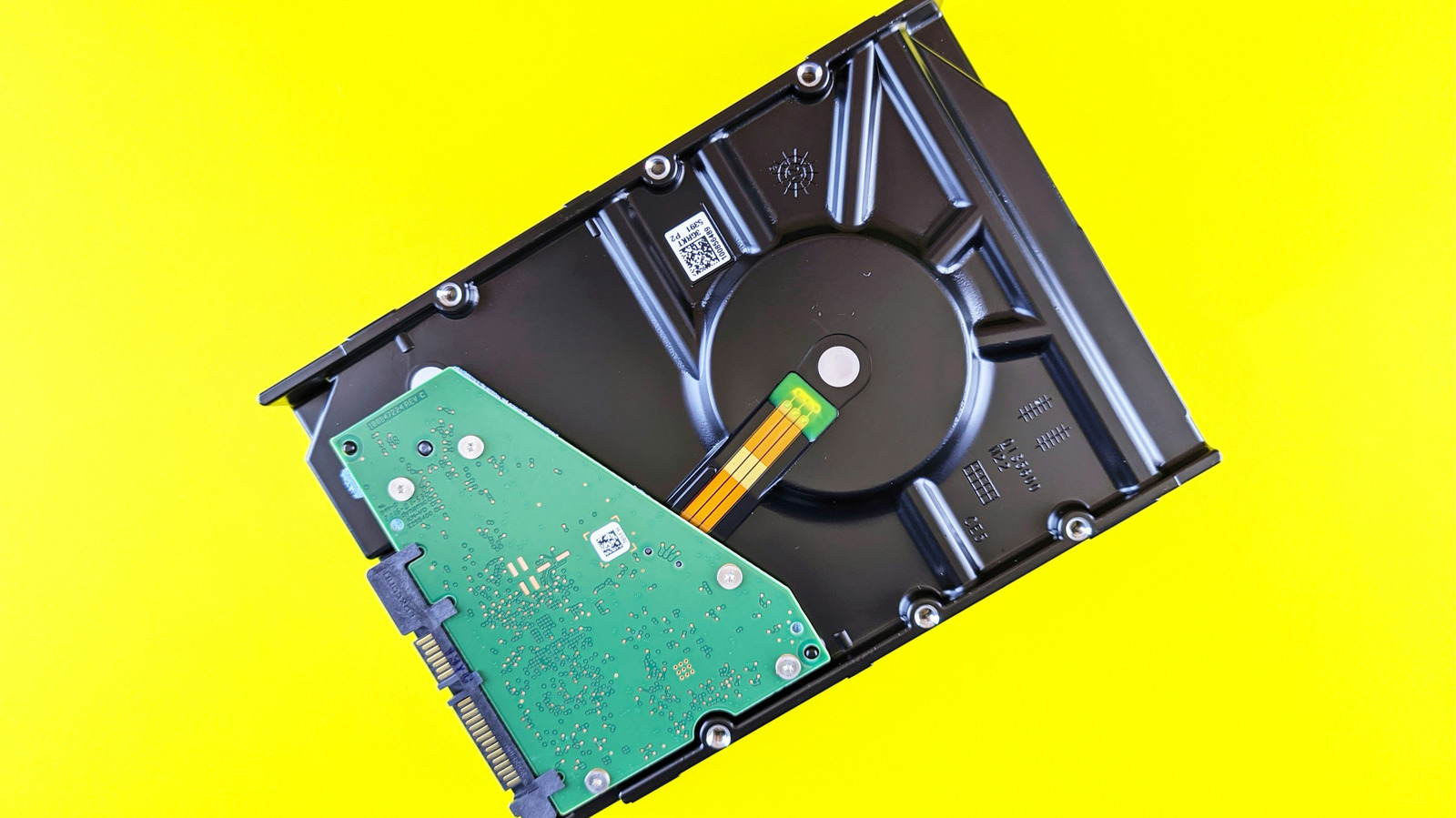
Though mechanical hard drives do not rely on NAND flash memory—shielding them from direct flash wafer supply bottlenecks—they have nonetheless been swept into the AI buildout. Hyperscalers and cloud operators require vast amounts of secondary storage to house raw training data, archives, and unstructured data repos. To control infrastructure spending, enterprise buyers are procuring high-capacity mechanical drives in unprecedented quantities, tightening market availability across distribution networks.
At the same time, commercial buyers and consumers priced out of high-speed flash drives are turning to mechanical alternatives for non-critical storage needs, compounding demand for HDDs. Consequently, pricing for hard disk drives has doubled across popular capacity tiers. The average price for a 4TB 3.5-inch SATA hard drive has risen from roughly $120 last year to $240 today. Higher-capacity 8TB models have followed an identical trajectory, rising from around $200 to $400.
Because both flash and mechanical formats have seen market prices roughly double, the absolute dollar gap between the two technologies has widened substantially. As a result, IT departments and hardware buyers are increasingly re-evaluating storage architecture, reserving premium flash storage exclusively for workloads where read and write latency are essential.
Market analysts note that while SSDs remain necessary for primary operating systems, real-time software execution, and high-throughput application hosting, spinning hard drives retain a distinct cost-per-gigabyte advantage for data backups and media archives. As major tech companies continue expanding their AI footprint, elevated storage prices are expected to persist across global technology supply channels.
Sources
Written by
The Company Wire
Inside the companies building what’s next. Reporting on startups, technology, funding and the people shaping them.