Toyota Plans 2028 Launch for 'Level 2++' Driver Assistance System to Compete With Tesla
The Japanese automaker is adding a safety guardrail layer over its neural network while leaving operational liability with human drivers ahead of incoming EU regulations.
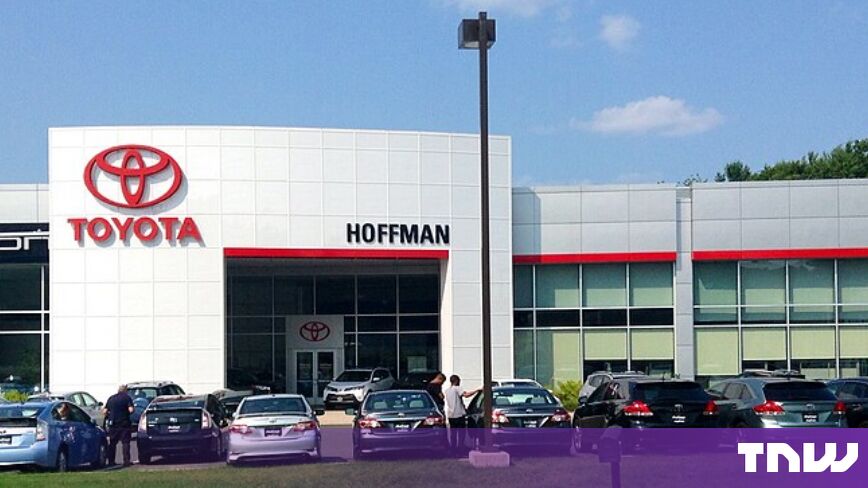
Japanese automaker Toyota Motor Corp. plans to integrate an advanced driver-assistance system into its 2028 model year lineup to compete directly with Tesla Inc.’s Full Self-Driving software, as detailed in reporting by The Next Web. Toyota intends to market the technology using the designation "Level 2++," a non-standard commercial label created to position the capability between standard Level 2 driver assistance and higher-level automated driving systems, while keeping the human driver fully liable for vehicle operation at all times.
The "Level 2++" nomenclature does not correspond to any official classification established by SAE International, the organization that defines the standardized framework for automated driving levels ranging from Level 0 to Level 5. Instead, the terminology functions as a marketing distinction for software that performs advanced driving tasks while ensuring that legal oversight, control, and operational responsibility remain continuously with the person behind the wheel.
From an engineering perspective, Toyota’s upcoming system departs from the single end-to-end neural network architecture utilized by Tesla. According to reporting from Nikkei cited by InsideEVs and The Next Web, Toyota is designing its system with a secondary guardrail layer positioned above the underlying neural network. This human-configured safety layer is engineered to prevent unpredictable or unexpected vehicle behavior by enforcing predefined operational parameters established by engineering teams in advance.
The commercial framing of the system is established prior to vehicle delivery. Akihiro Sarada, head of Toyota’s software development center, clarified the company's approach to balancing technical progress with commercial classification. "We’ll develop Level 4 technology from a technical standpoint, but offer it commercially as Level 2++," Sarada said. He noted that the primary development goals behind the architecture are maximizing safety and system explainability.
Toyota’s upcoming technology rollout coincides with a regulatory framework in Europe structured around assisted driving systems. UN Regulation No. 171, which governs driver control assistance systems, officially entered into force on September 30, 2024. The regulation explicitly outlines operational responsibility, mandating that the human driver must permanently monitor the road and maintain continuous oversight. Furthermore, automotive manufacturers are legally required to communicate these operational constraints clearly in all advertising materials and dealership sales environments.
European regulators have previously evaluated similar systems under these standards. The Netherlands Vehicle Authority, known as the RDW, served as the initial regulatory body to approve Tesla’s FSD Supervised software in April. The approval followed an 18-month testing period that incorporated 1.6 million kilometers of real-world road data collected across Europe. In its final ruling, the RDW emphasized that the software "is not self-driving," affirming that the driver remains legally responsible and must keep control of the vehicle at all times.
While traffic enforcement rules define operational duties on the road, financial and corporate liability in the European Union will be governed under an updated legal framework. Beginning December 9, the EU's Product Liability Directive will classify standalone software as a commercial product across all member states regardless of the marketing label used by the automaker. Under the directive, if extreme technical complexity makes a software defect excessively difficult for a claimant to prove, courts are permitted to presume the existence of a defect and can mandate that corporate defendants disclose technical evidence.
The focus on system explainability described by Sarada aligns directly with these upcoming European disclosure requirements, where technical clarity can influence legal proceedings. Meanwhile, other European carmakers are taking a contrasting commercial approach to autonomous driving. German manufacturer Mercedes-Benz currently sells an eyes-free driving system certified as Level 3, an official designation where the automated vehicle system, rather than the human driver, assumes primary driving responsibility while engaged.
Sources
Written by
The Company Wire
Inside the companies building what’s next. Reporting on startups, technology, funding and the people shaping them.