Ukrainian Autonomous Surface Vessel Destroys Russian Drone Boat in Black Sea Engagement
A Sargan-3000 uncrewed craft equipped with a remote weapon station eliminated an opposing surface drone in what is believed to be the first direct combat between uncrewed naval vessels.
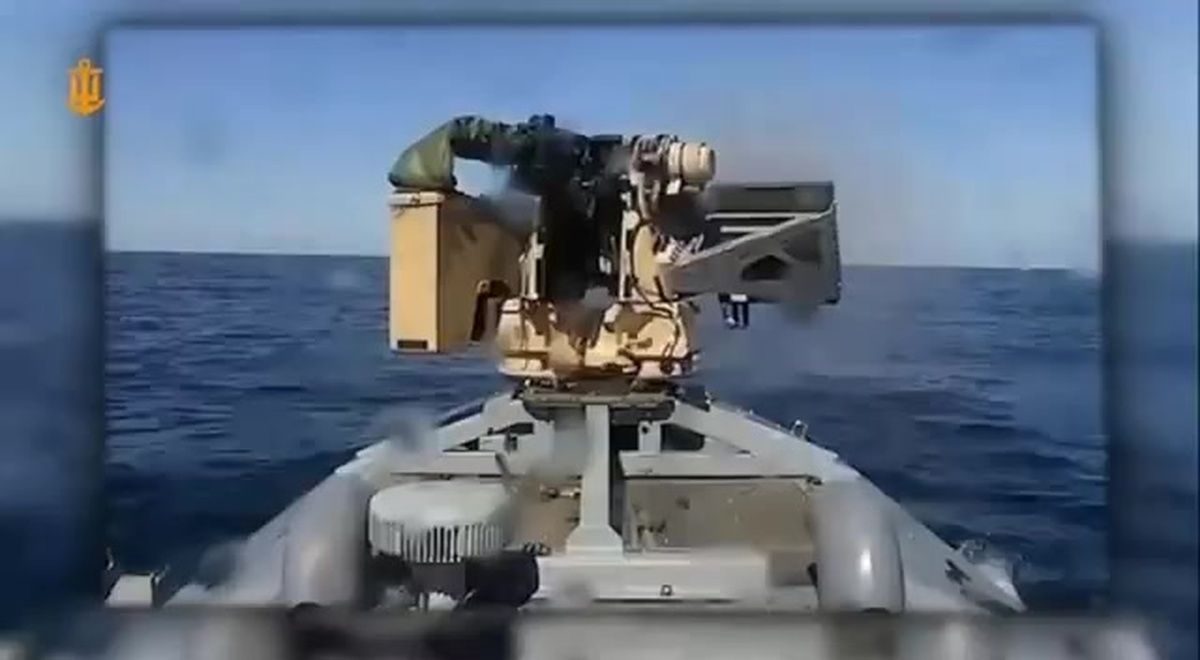
In what is believed to mark the initial direct surface engagement between two uncrewed military vessels, a Ukrainian autonomous naval drone has engaged and destroyed a Russian drone boat in the Black Sea, as first reported by TechRadar Pro. The encounter saw Ukraine's Sargan-3000 uncrewed surface vessel open fire on the enemy craft using an onboard remote weapon station, eliminating the opposing vessel. The clash highlights the expanding tactical role of uncrewed surface craft in modern maritime combat.
The Sargan-3000 platform was officially commissioned into active service by the Ukrainian Navy in April 2026. Designed as a flexible multi-purpose surface system, the craft features a modular platform architecture that permits military engineers to rapidly reconfigure the vessel for varied mission profiles. This modular construction allows operators to swap specialized sensor suites and offensive weapons systems depending on specific operational demands.
During the Black Sea exchange, the Sargan-3000 utilized a mounted Protector Remote Weapon Station (RWS) to target the incoming Russian vessel. The Protector RWS is a modular defensive platform capable of integrating multiple armaments, including automatic grenade launchers, anti-tank missile systems, and heavy machine guns. In this combat encounter, the system deployed a remote-controlled 12.7mm machine gun turret—potentially an M2 Browning or an NSV unit—to neutralize the target.
Despite the strategic significance of the engagement, the encounter has not yet been independently verified. Military authorities in Ukraine have not publicly disclosed the exact date, time, or location of the Black Sea battle. For its part, the Russian government has not issued any public statements confirming the loss of a vessel or acknowledging that the surface exchange occurred.
The reported battle follows a sharp escalation in Ukrainian maritime drone operations throughout both the Sea of Azov and the Black Sea during 2026. Strategic reports indicate that Ukrainian uncrewed units have conducted strikes against at least 105 Russian vessels in the Sea of Azov over the past year. While specific physical dimensions and performance metrics for the Sargan-3000 remain undisclosed, naval observers describe the craft as highly maneuverable in open water conditions.
The Sargan-3000 is part of a broader array of uncrewed surface vessels deployed by different arms of Ukraine's military and security forces. While the Sargan-3000 is managed directly by the Ukrainian Navy, the Security Service of Ukraine operates a distinct platform called the Sea Baby. That vessel measures six meters in length, boasts an operational range of roughly 1,000 kilometers, and can carry a payload of approximately 850 kilograms, making it suitable for rapid deployment against anchored naval assets.
A third uncrewed platform in active operation is the Magura V5, which is deployed by Ukraine's Defense Intelligence group. Featuring a shorter hull design and a lower payload capacity than the Sea Baby, the Magura V5 operates over shorter distances but fulfills a comparable role in conducting tactical surface strikes and surveillance across regional sea lanes.
In the most recent Black Sea clash, Ukraine's Defense Intelligence Directorate initially identified the target before clearing the Ukrainian Navy's Sargan-3000 to engage. The incident follows an earlier operation in July 2026, when a remotely operated Ukrainian surface craft sank the Russian border patrol vessel PSKR Izumrud off Gelendzhik. That action formed part of a sustained campaign that has pressured Russia's Black Sea Fleet to relocate assets away from strategic ports in Crimea.
The integration of remote weapon systems like the Protector RWS onto autonomous platforms reflects the rapid evolution of robotic surface warfare. As military forces continue to deploy increasingly autonomous uncrewed vessels, direct combat engagements between opposing robotic systems are expected to play a major role in future maritime defense strategies.
Sources
Written by
The Company Wire
Inside the companies building what’s next. Reporting on startups, technology, funding and the people shaping them.