Zombie-Ant Fungus Also Thrives in Mosses, DNA Analysis Reveals
A recent study indicates that the parasitic Ophiocordyceps fungus, known for manipulating insects, also inhabits mosses, suggesting a more complex lifecycle.
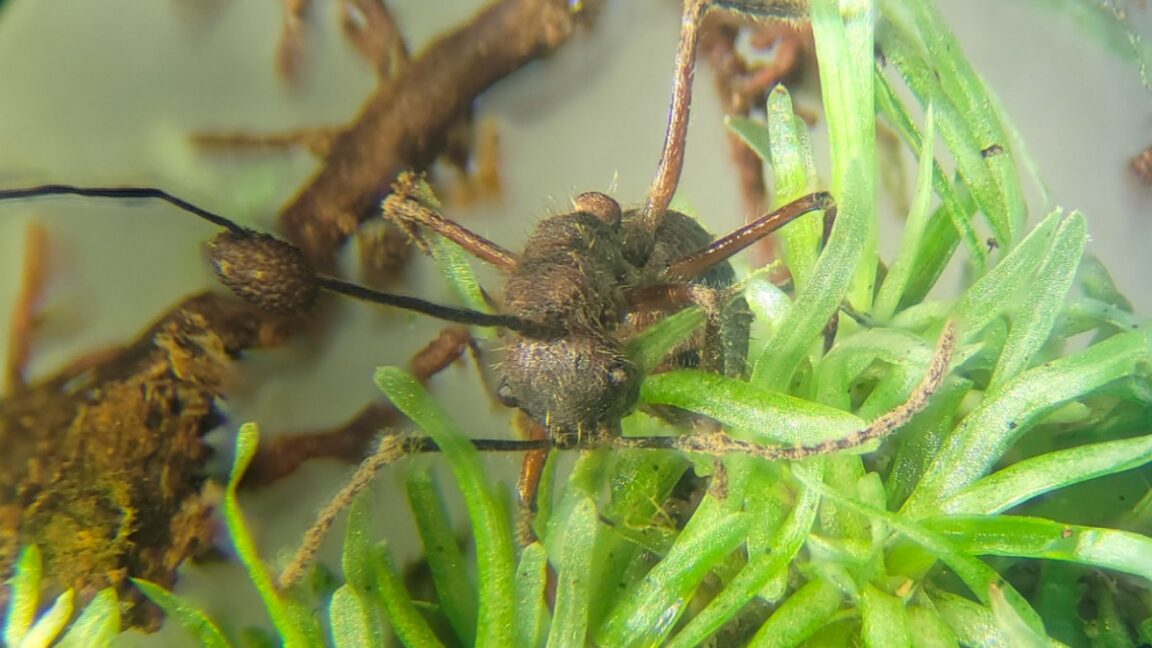
DNA analysis has identified the presence of the parasitic Ophiocordyceps fungus in both infected insects and the surrounding mosses, according to a paper published in *IMA Fungus*. This discovery suggests the fungus may have a secondary life stage within moss, potentially as an evolutionary adaptation to periods when insect hosts are scarce. This could also provide insight into why infected insects often bite into mosses during their final moments.
The genus *Cordyceps* encompasses over 400 species of fungi, each specialized to parasitize a particular insect, such as ants, dragonflies, or beetles. Upon contact, spores germinate on the host and proliferate throughout its body via filamentous structures called mycelia. The fungus essentially takes control of the host, compelling it to ascend a plant and latch onto a leaf or twig with a fatal bite. The fungus then consumes the insect, eventually erupting from its head to release more spores, perpetuating the cycle. This process can span between four and fourteen days.
Previous research explored the mechanisms behind this zombification. A 2017 study found that fungal cells create an intricate, interconnected 3D network, enabling communication and nutrient exchange. This network effectively isolates the ant's brain, allowing the fungal network to control the insect's behavior. Further findings in 2019 indicated that the fungus does not directly attach to the ant's brain but rather breaks down the membrane covering jaw-muscle fibers, inducing powerful contractions that can damage or destroy the muscle filaments essential for movement.
There is increasing evidence that these fungal pathogens can broaden their host range to cope with a scarcity of hosts or environmental pressures. For instance, one species colonizes plant roots and can also infect cyst nematode eggs parasitically. More directly relevant to the current study is recent research on insect-parasitizing fungi that have adapted to exploit both plants and arthropods. This includes a 2020 Chinese study that located the 'Himalayan gold' (*O. sinensis*) fungal species, which targets ghost moth larvae, within plants in alpine environments. Additionally, reports of ant-infecting *Ophiocordyceps* species indicate a preference for specific plants, such as understory palm trees and moss carpets, as sites for their hosts' demise.
For this latest investigation, researchers collected samples from 'ant graveyards'—locations in Brazil's Central Amazon region's Adolpho Ducke Forest Reserve where numerous *Ophiocordyceps*-infected ant corpses were found. Samples were categorized into four groups: fungi emerging from infected insects, mosses at ant biting sites, mosses adjacent to these sites, and control mosses at least 10 meters away from any infected insects.
After collection, all samples were photographed, cleaned, and stored for DNA extraction and analysis. The team identified 19 *Ophiocordyceps*-infected insects, predominantly ants, with three exceptions being a weevil, a plant hopper, and a firefly larva. The majority (11 of 19) of these infected insects were found attached to mosses; one specimen had bitten into both liverwort and moss, and several others were embedded in carpets composed of various mosses and liverworts.
Crucially, the study also identified *Ophiocordyceps* within the mosses themselves. This suggests that the ants' tendency to choose mosses for their 'death grip' might be another form of manipulation orchestrated by the parasitic fungus. Tales Alves Jr. of the Instituto Nacional de Pesquisas de Amazonia commented, "We have always thought of this fungus (*Ophiocordyceps*) as a parasite exclusive to insects, especially the ones it manipulates. What our data suggest is that the story is much larger: The same fungus appears to be ubiquitous in the surrounding moss communities. Our results illustrate a far closer link between the lifecycles of the plants and fungi involved in the behavioral manipulation of Amazonian ants."
Sources
Written by
The Company Wire
Inside the companies building what’s next. Reporting on startups, technology, funding and the people shaping them.