Enterprise AI Governance Pivots to Runtime Controls as Always-On Agents Multiply
Founders at Dell's AI Leadership Symposium highlight the challenge of supervising continuous agent execution and confining model workflows to private clouds.
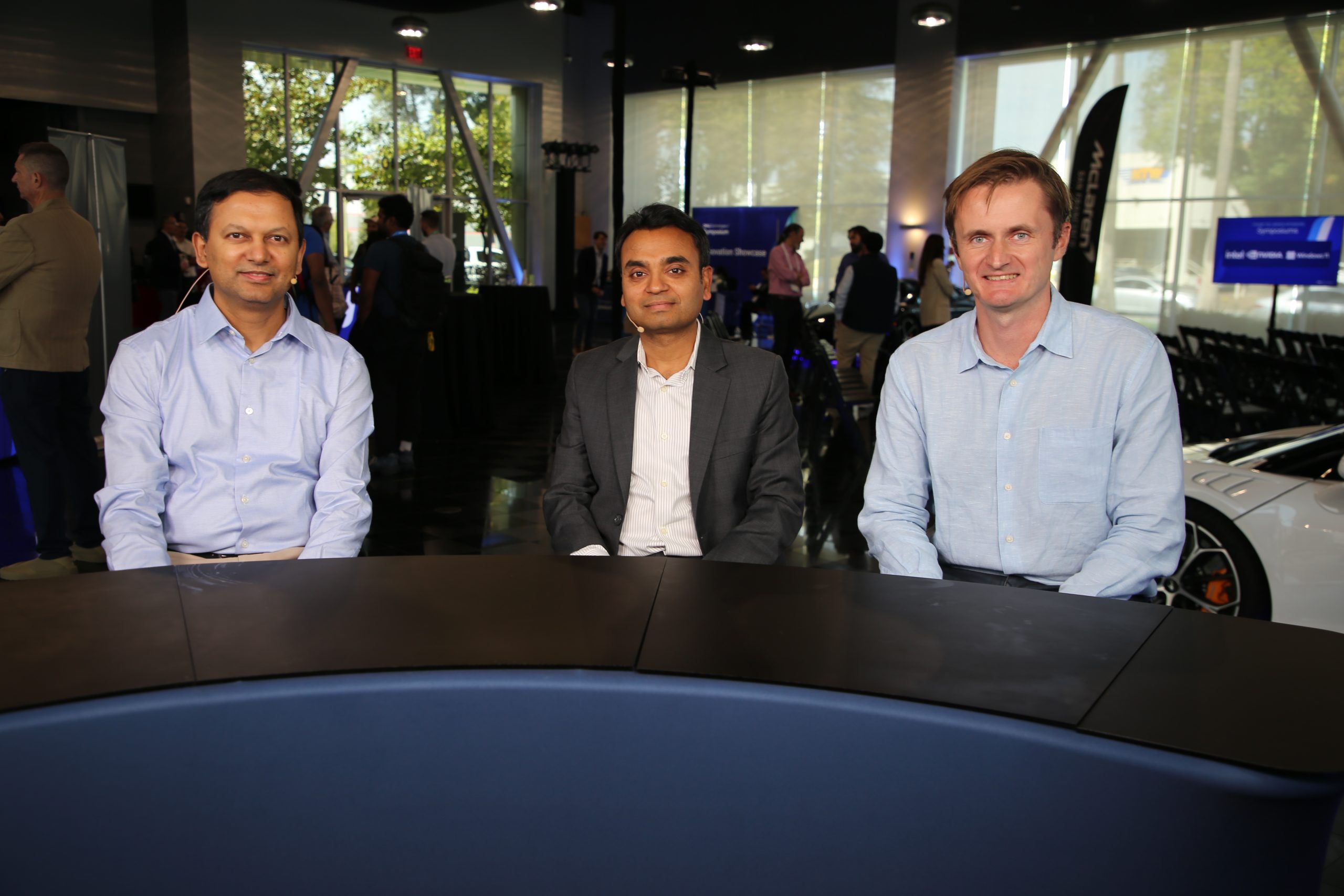
As enterprises transition from evaluating artificial intelligence to deploying autonomous agents that run continuously across multiple platforms, governance models designed for deterministic software are struggling to keep up. The operational challenge now centers on verifying agent behavior during active execution rather than relying solely on preconfigured permissions, according to technology executives speaking at Dell Technologies Inc.’s AI Leadership Symposium and reported by SiliconANGLE.
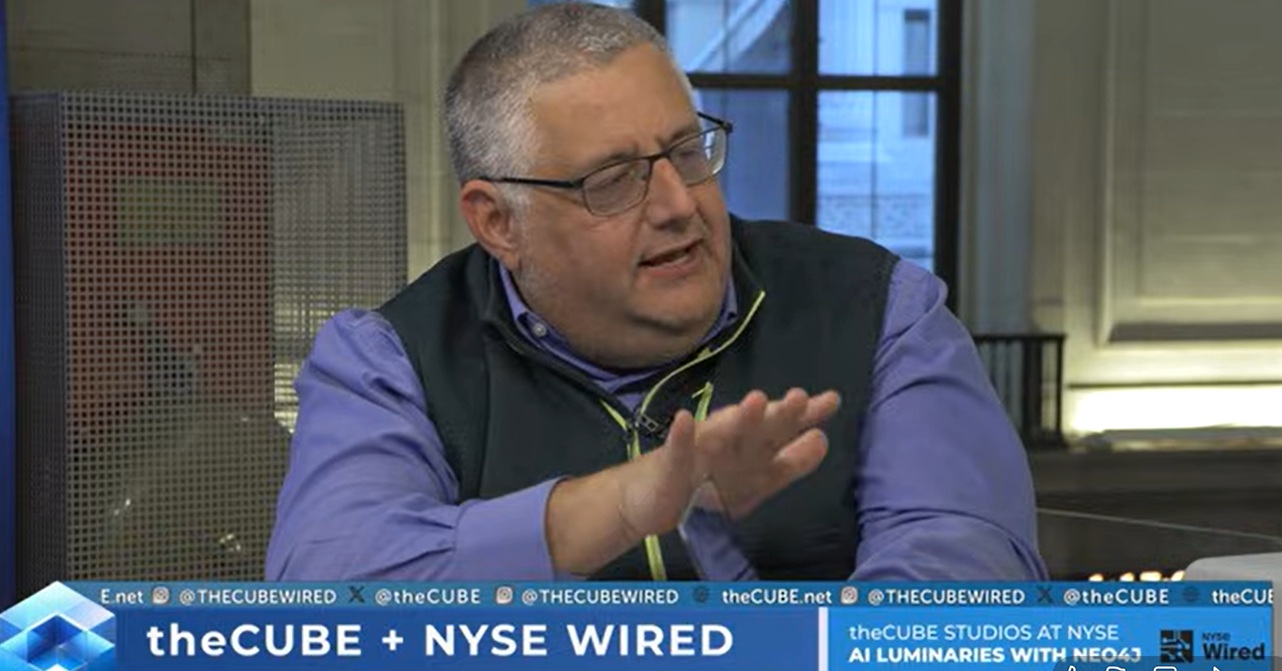
Speaking on a broadcast hosted by theCUBE Research's John Furrier, startup founders pointed out that reconciling corporate intent with live system actions has become a primary bottleneck. "Someone needs to really do some rationalization between the enterprise intent and the actual runtime state," said Shiv Agarwal, co-founder and chief executive officer of Singulr AI Inc. "Governance is becoming very important, but it’s becoming hard as well in this world, just the pace at which the AI is getting adopted."
Agarwal explained that defining what an agent is permitted to do covers only part of the risk surface, requiring organizations to audit live agent execution. Risky actions—such as retrieving external web data or emailing an unapproved private address—can be buried inside multi-step agent workflows. To mitigate these risks, Singulr has expanded its governance tooling to cover local AI applications running directly on employee endpoints.
Data isolation concerns are also prompting chief information officers to strictly constrain where agents run. Sri Viswanath, founder and chief executive officer of Sycamore Labs Inc., noted that enterprise customers are requiring large language model calls and agent operations to stay strictly inside their virtual private clouds. "They’re also trying to architect in a way that all of the data stays there," Viswanath said. "They don’t trust sending it outside because then we don’t know where it goes."
The panel also addressed the tension between regulatory frameworks like the European Union’s AI Act and the rapid iteration required by enterprise development teams. While Agarwal advocated for standardized governance rules across jurisdictions, MisaLabs Inc. co-founder Victor Jakubiuk emphasized that engineering leaders must balance compliance with competitive velocity. "AI has no limit to the speed of development, speed of progress," Jakubiuk said. "As an enterprise, as that AI lead, you want to be able to take the latest and greatest and stay on top."
Sources
Written by
The Company Wire
Inside the companies building what’s next. Reporting on startups, technology, funding and the people shaping them.