Meta Launches Muse Personal AI Agent App with Subscription Tiers and Commerce Ambitions
The social media giant is introducing a paid assistant powered by its Muse Spark models as Wall Street demands returns on massive infrastructure investments.

Meta Platforms has launched a dedicated personal artificial intelligence agent application, entering the consumer software assistant market with a tiered pricing model at a time of rising public skepticism and regulatory pressure across the broader technology industry. Built on the company's recently developed Muse Spark family of foundation models, the software—which carried the internal development code name Hatch—is designed to handle everyday administrative tasks for consumers. The launch marks Meta's latest attempt to build direct monetization channels around its generative AI investments.
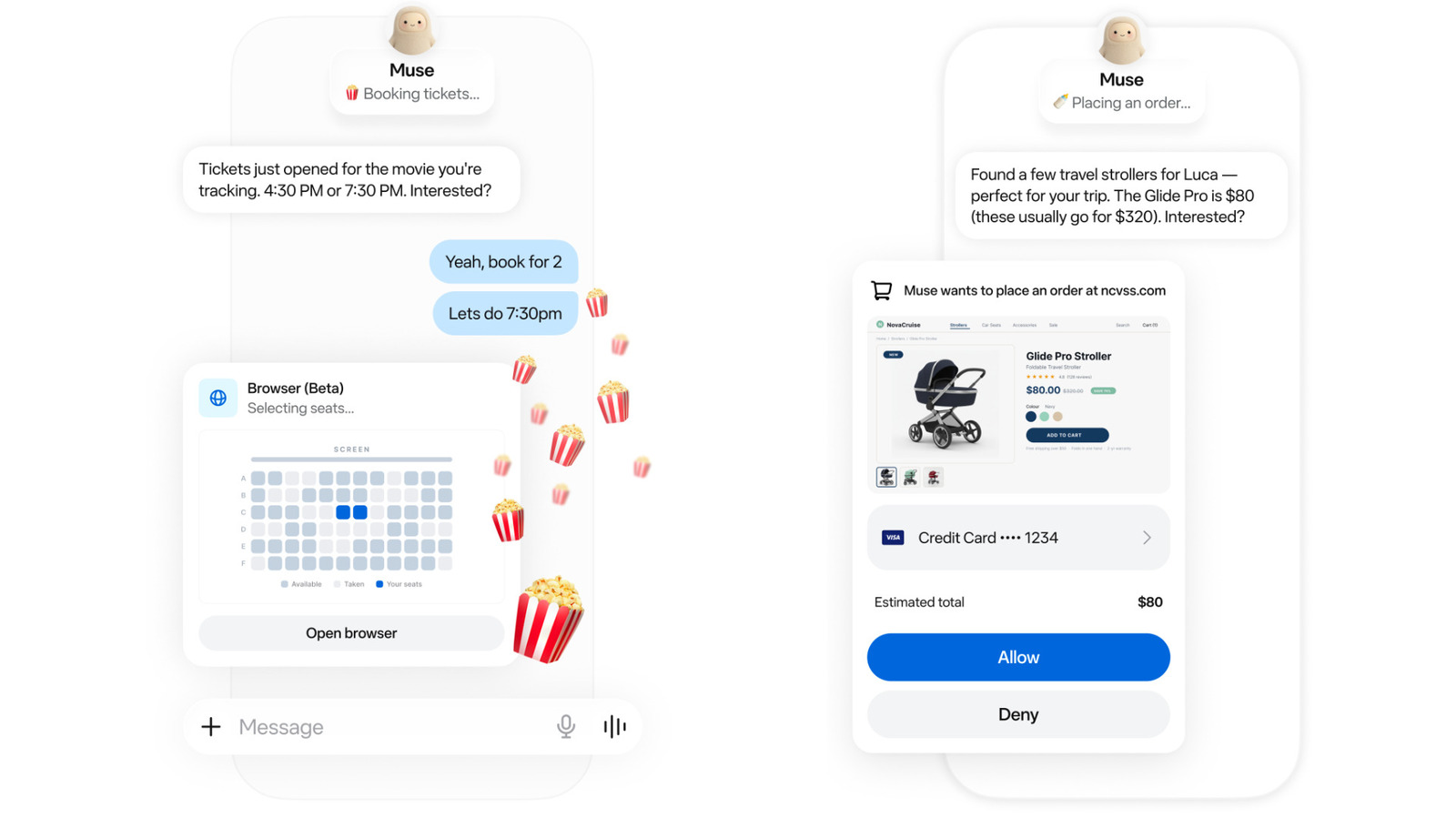
The personal agent app allows users to offload various digital chores, including filling out web forms, managing appointment bookings, and monitoring live video feeds from home security cameras. Meta AI chief Alexandr Wang told CNBC Business in an interview that the software's front-end experience was designed to feel simple and explainable to everyday users, even as the underlying model performs sophisticated tasks in the background. Wang noted that while the user sees an approachable conversational interface, the Muse system may be executing intricate coding workflows and building complex technical integrations behind the scenes.
Meta is releasing the personal assistant app through a multi-tier structure that includes a free option as well as paid monthly subscription plans priced at $20 and $100, with tiers determined by processing usage. In addition to software subscriptions, the company is weighing alternative monetization methods, including taking a percentage cut of commercial transactions facilitated by the AI agent. Wang highlighted the potential of agent-driven e-commerce, noting that assisting consumers in discovering and purchasing items could form a compelling business model for the product.
The product strategy aligns with public statements from Meta Chief Executive Mark Zuckerberg, who recruited Wang last year following a $14 billion investment in Wang's startup, Scale AI. During Meta's July earnings call, Zuckerberg pointed to advanced digital assistants—capable of sifting through personal email or identifying deals on consumer goods—as the primary justification for the company's massive capital expenditure on data centers and server hardware. Zuckerberg told investors that personal AI agents will serve as the core foundation for Meta's upcoming wave of consumer products and secondary revenue streams over the coming years.
The personal agent is being deployed across several platforms, with immediate availability in the U.S. via standalone iOS, Android, and web interfaces, alongside planned future integration into Ray-Ban Meta smart glasses. The mobile app experience includes a customizable feed that aggregates updates from a user's Facebook and Instagram accounts as well as summarized news articles from the web. Meta is also integrating the agent into its WhatsApp messaging platform, though Wang clarified that the messaging version will lack the content feed and interactive tip tools available in the dedicated app, while retaining identical core conversational mechanics.
To counter cybersecurity and data security risks associated with autonomous AI software, Wang explained that the Muse personal agent operates inside an isolated sandbox environment within Meta's cloud computing infrastructure. According to Wang, the agent never directly accesses raw payment credentials or account passwords, and it requires explicit user authorization before performing sensitive actions. On the data privacy front, David Singleton, Meta's vice president of engineering, confirmed that Meta will sanitize interactions by scrubbing critical personally identifying information before using conversation logs to train its models, unless users explicitly choose to opt out of data sharing altogether. Meta has also opened the app to third-party security researchers through a paid bug-bounty initiative and internal red-teaming exercises.
Meta's push into consumer AI agents comes amid lingering legal and public relations headwinds for the Silicon Valley firm. The company recently agreed to a landmark $17 billion settlement with a group of state attorneys general concerning allegations that it misrepresented platform safety on Facebook and Instagram, while continuing to defend against separate lawsuits brought by school districts and personal injury plaintiffs. Furthermore, Meta faces growing public opposition to the environmental impact of large-scale AI data centers and rising anxiety over model security. The release also places Meta in a crowded market alongside OpenAI, Google, and startups like Town, as well as developer frameworks like OpenClaw, as Wall Street pressures tech firms to demonstrate clear financial returns on AI spending and reduce reliance on digital advertising revenues.
Sources
Written by
The Company Wire
Inside the companies building what’s next. Reporting on startups, technology, funding and the people shaping them.