Meta Releases Muse, a Dedicated Personal AI Agent Powered by Virtual Machine Security
The new agent operates within an isolated computing environment, executes background tasks, and incorporates Stripe's Link checkout for secure transactions.
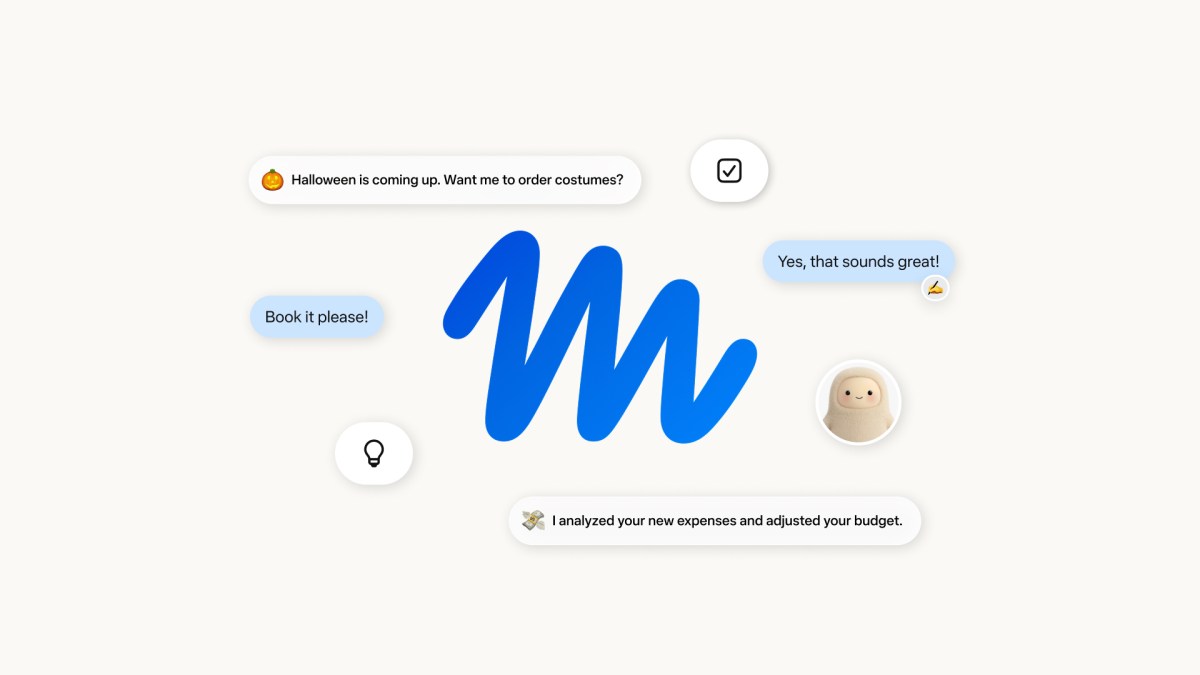
Meta has launched Muse, a new personal artificial intelligence agent designed to assist users with daily tasks and execute complex goals, as announced by Meta Newsroom. The software interacts with users through natural messaging interfaces within the standalone Muse application, on the web at muse.ai, or directly inside WhatsApp. Meta also plans to extend the software to its smart glasses in a subsequent update.
At the foundation of the platform is Muse Spark, which Meta described as its most capable artificial intelligence model developed specifically for real-world agentic execution. To house both the agent and user data securely, Meta engineered a dedicated computing environment called Muse Secure VM. This virtual machine architecture is intended to establish an isolated layer of privacy and safety tailored to personal AI workflows.
Unlike standard conversational assistants, Muse is built to operate autonomously across digital environments. The agent can open web browsers, populate online forms, handle travel bookings, and conduct negotiations on a user's behalf. Once assigned a multi-step project—such as lowering a monthly bill, selling a car for an optimal price, or modifying a fitness routine around schedule shifts—Muse continues to work in the background after the user closes the app, re-engaging only to provide updates or request explicit approval prior to executing actions like sending emails or completing purchases.
For commercial transactions, Muse incorporates Link, a checkout system developed by Stripe. The platform marks the initial AI agent covered by Link's buyer protection program, which includes coverage for lost or damaged deliveries, price reductions, zero-fee returns, and return guarantees on qualified orders. To protect financial information, Link's agent wallet creates single-use virtual payment card numbers for online checkouts, keeping the user's primary card details hidden. Meta stated that support for Shop Pay as an additional payment option and integration with password manager 1Password for saved credentials will be added in future updates.
Muse also maintains persistent memory of user preferences and contextual information across Meta's broader application ecosystem to provide unprompted recommendations. For example, the software can analyze a recipe video saved on Instagram to construct a grocery list, design a dinner party menu, and cross-reference known dietary restrictions of contacts before sending out event invitations.
Addressing long-term data privacy concerns, Meta revealed plans to introduce an advanced security tier called Muse Confidential VM later this year. Under this framework, the entire virtual machine—including stored user data and interaction logs with Muse—will be encrypted using a private key accessible exclusively by the individual user, preventing Meta from viewing or accessing the contents.
Meta is currently rolling out Muse to consumers in the United States across iOS, Android, and web browsers, framing the release as an initial step toward developing personal superintelligence. The service is available at no cost for general daily usage, while Meta is offering paid subscription options for individuals seeking advanced operational capabilities.
Sources
Written by
The Company Wire
Inside the companies building what’s next. Reporting on startups, technology, funding and the people shaping them.


