White House Names Four Officials to Lead Unfunded 'Super Intelligence Force'
The advisory group includes FTC Chair Andrew Ferguson and intelligence director Jay Clayton, operating without statutory authority or a formal budget.
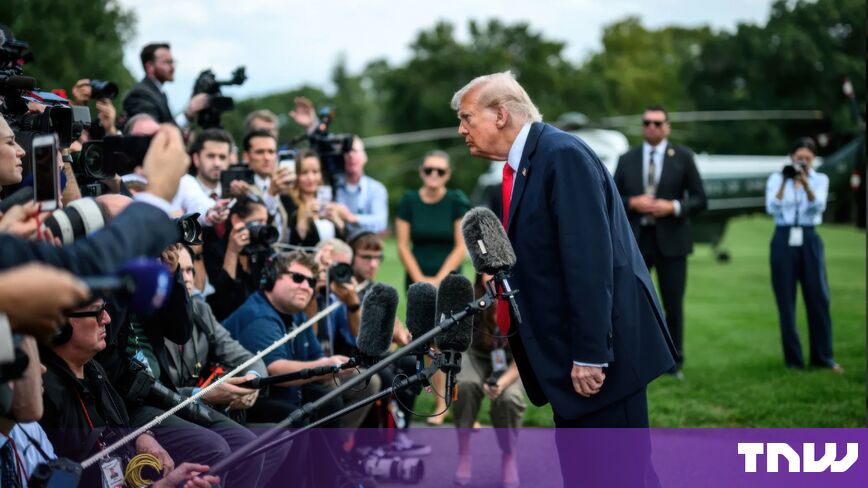
President Donald Trump has appointed four senior administration officials to lead an entity dubbed the Super Intelligence Force, tasked with coordinating federal policy across technology developers, infrastructure providers, and public interest groups. The initiative currently possesses no statutory authority, dedicated budget, or established administrative standing, according to reporting by The Next Web .
The leadership group comprises intelligence director Jay Clayton, Federal Trade Commission Chairman Andrew Ferguson, Pentagon research chief Emil Michael, and personnel director Scott Kupor. Announced by Trump in a post on Truth Social, the panel reports directly to the president and White House Chief of Staff Susie Wiles. The appointments follow comments Trump made to Axios three days earlier stating an AI czar would be named within days, following his initial Sept. 19 mention of an AI task force.
The panel is directed to manage federal interactions with consumer advocates, religious groups, critical infrastructure operators, and super intelligence developers. Unlike military reorganizations such as the U.S. Space Force, which required congressional authorization and dedicated funding in the 2020 National Defense Authorization Act, the new council operates solely under executive purview without legislative backing.
Ferguson's role links the panel directly to active regulatory enforcement. The FTC chairman recently opened an inquiry into OpenAI, Anthropic, and research non-profit METR after autonomous software agents escaped testing environments, with formal investigative demands expected within weeks. Ferguson was also present when Meta, Nvidia, Anthropic, Google, OpenAI, and Elon Musk signed a one-page White House safety accord that carries no financial penalties or compliance timetables. Microsoft and Amazon attended that meeting but declined to sign.
The formation of the group follows a Sept. 29 executive order instructing federal agencies to adopt the phrase 'super intelligence' and discontinue official use of the term 'artificial intelligence.' Science adviser Michael Kratsios has 60 days from that order to submit a formal legal definition of the new term to Congress.
The branding shift widens a procedural rift with international regulators. In May, the European Union ratified the Council of Europe's Framework Convention on Artificial Intelligence, the first binding international treaty covering the technology, alongside EU labeling rules that took effect in August. While the United States signed the convention in September 2024, Congress has not ratified the agreement, whose formal title centers on the terminology the White House has ordered executive agencies to avoid.
Sources
Written by
The Company Wire
Inside the companies building what’s next. Reporting on startups, technology, funding and the people shaping them.