Zuckerberg Predicts Billions Will Use Personal AI Agents Within Five Years
Meta is betting that persistent assistants will become a new product layer across messaging, glasses and consumer applications.

Meta CEO Mark Zuckerberg says billions of people could use personal AI agents within five years. The forecast places persistent, individualized assistants at the center of the company's next consumer platform, extending beyond chatbots that respond only when a user opens an application.
Meta can distribute those agents through WhatsApp, Instagram, Facebook and its growing line of smart glasses. Access to social graphs, messages and recommendation systems could let an assistant understand relationships and preferences more deeply than a standalone product. That same access also creates significant privacy and control concerns.
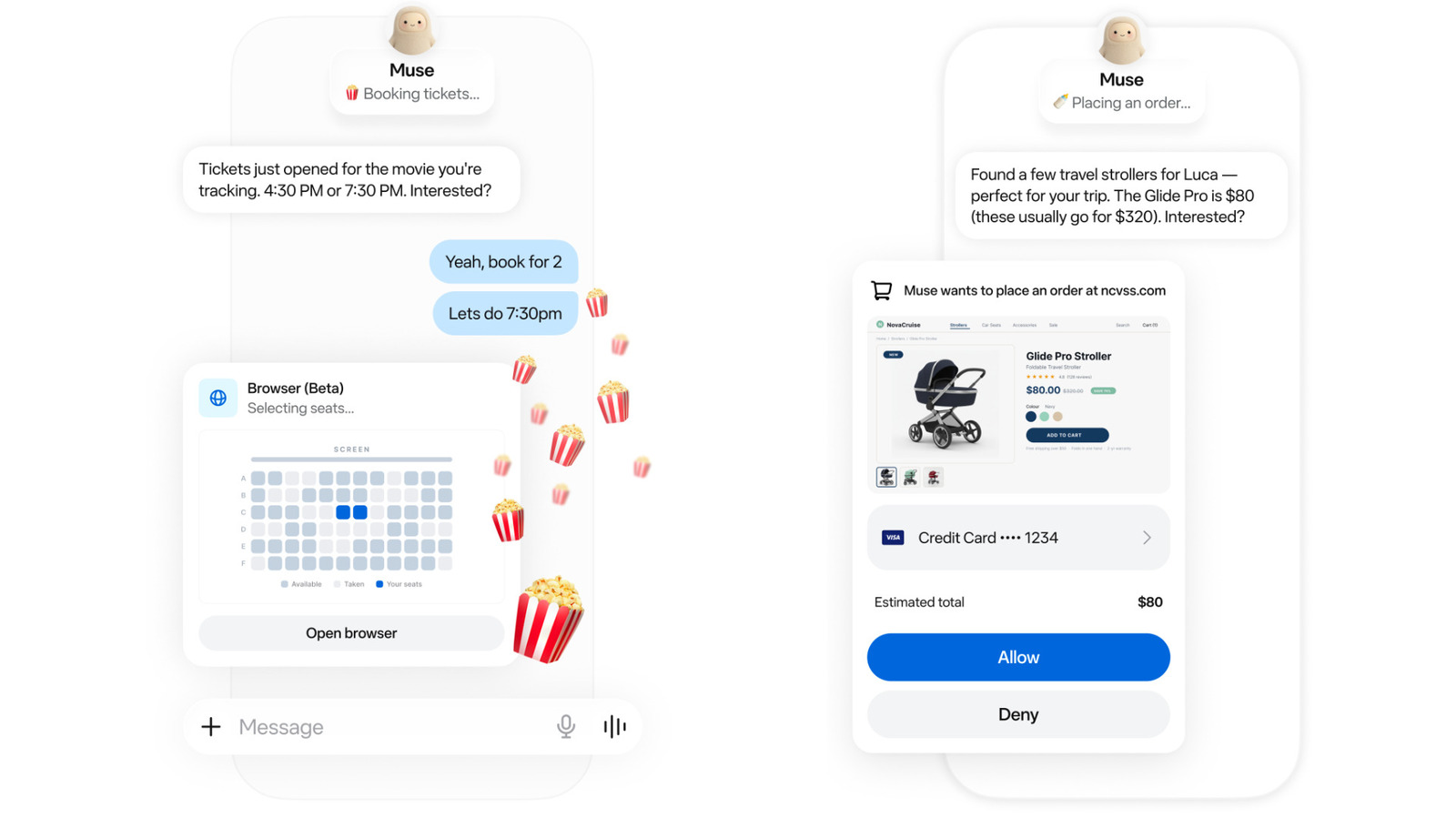
A personal agent may coordinate communication, filter information, create media and act across services. Reaching billions of users would require low operating costs, reliable performance in many languages and clear boundaries around actions taken without confirmation. Meta must also prevent commercial recommendations from overriding the user's interests.
The company is spending heavily on computing infrastructure and model development while its Reality Labs division continues to lose billions each quarter. Zuckerberg believes intelligence will produce higher margins than raw compute and eventually support new hardware and services.
Meta's advertising business creates a potential conflict for personal agents. An assistant that knows what a user wants could provide valuable commercial recommendations, but Meta also earns money when businesses influence attention. The company will need visible separation between an agent acting for the user and a sponsored result purchased by an advertiser.
A personal agent will need more than conversational fluency. It must understand permissions across messages, calendars, purchases and private media while letting the user review consequential actions. Billions of agents would also create new attack surfaces for impersonation and automated persuasion. Meta should establish defaults that keep an agent from contacting others, spending money or revealing personal information without confirmation. Interoperability will matter because users do not live entirely inside one company's services. The vision becomes useful when an assistant can cross systems safely, not when it simply creates another reason to keep every relationship inside Meta.
The five-year timeline is an ambition rather than a forecast that can be verified today. Meta has the audience and capital to make agents widely available, but availability is not the same as trust. Users will adopt a persistent assistant only if they can understand what it knows, correct it, limit it and leave without losing control of their personal information.
Sources
Written by
The Company Wire
Inside the companies building what’s next. Reporting on startups, technology, funding and the people shaping them.