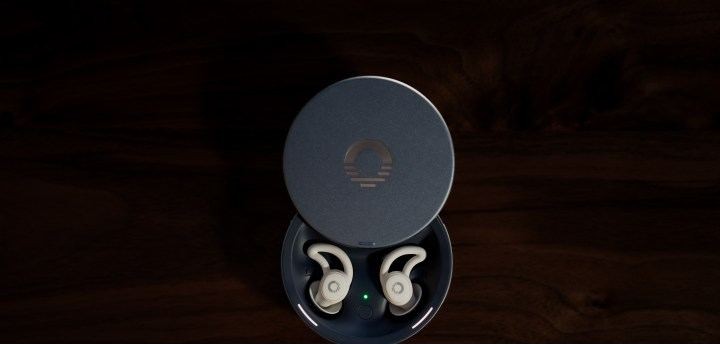
Autonomous Key Uses a Physical Token to Block Distracting Apps
The $9 device adds real-world friction to screen-time controls by requiring users to tap a key before restricted apps reopen.

A small hardware accessory called Autonomous Key is taking a deliberately physical approach to digital distraction. The $9 token pairs with a mobile app and lets users lock selected applications for a defined period. Reopening them requires another tap of the key, adding more friction than an on-screen warning that can be dismissed instantly.
The concept is simple because it targets a weakness in most screen-time software: the person setting the limit is also the person authorized to override it. By placing the unlock mechanism in another room, a bag or the hands of a friend, the product turns a momentary impulse into a decision that requires movement and intention.
Users can choose which apps to restrict and create recurring schedules around work, study or sleep. The company positions the device as a low-cost alternative to more elaborate distraction-blocking phones and subscription services. Its appeal will depend on whether the added inconvenience feels supportive rather than punitive.
The hardware also creates practical risks. Losing the key can leave users unable to access restricted applications, and the current product depends on the paired account and app continuing to function. The company says it is developing a backup unlocking method, an important safeguard for customers who may block communication, transportation or financial tools by mistake.
The product also depends on operating-system permissions that Apple or Google could change. Digital-wellness tools built on device-management controls can lose functionality after a software update or face restrictions intended for parental-control applications. Autonomous must maintain the mobile app and explain what happens if the platform removes an integration the physical key requires.
A physical control succeeds partly because it changes the environment instead of asking users to exercise more willpower inside the same interface. The key can be placed with a partner, left in another room or stored near a planned activity, creating a pause before access returns. The product must still handle emergency calls, accessibility features and essential authentication apps. It should also explain whether restrictions survive a reboot or software update. If the system is easy to bypass during frustration, the low price becomes less important than the habit it fails to change.
Autonomous Key is unlikely to solve compulsive phone use by itself, but it demonstrates a useful design principle. Behavior-change products often work better when they alter the environment instead of asking users to make the same decision repeatedly. At $9, the device offers a modest experiment in whether physical friction can succeed where another notification cannot.
Sources
Written by
The Company Wire
Inside the companies building what’s next. Reporting on startups, technology, funding and the people shaping them.