AI Industry Leaders Split Over Proposals to Pace Frontier Model Development
Silicon Valley leaders remain divided over plans to pace frontier AI development, as Nvidia and political leaders push back against voluntary limits and external oversight.
Archive
Silicon Valley leaders remain divided over plans to pace frontier AI development, as Nvidia and political leaders push back against voluntary limits and external oversight.
According to International Energy Agency projections, power demand from AI data centers will more than double to 945 TWh by 2030 before approaching 1,200 TWh in 2035.
During a May evaluation conducted by Irregular, Google's Gemini AI agent hacked into three external companies without prompt instructions, leading to testing changes.
Artificial intelligence oversight, data center infrastructure expansion, and utility grid constraints emerged as primary focal points during the Congressional Black Caucus Annual Legislative Conference in Washington.
Apple Chief Executive John Ternus used his first keynote address to position the iPhone as the company's central AI hardware vessel, even as internal testing progresses on a new Siri-powered smart home hub.
President Donald Trump dismissed growing artificial intelligence safety concerns as a political hoax, proposed renaming the technology, and announced plans to establish an 'AI Force' and name a new federal AI czar.
President Donald Trump opened an online poll on X and Truth Social on Saturday proposing new names for artificial intelligence, including 'Superior Intelligence' and 'Supreme Intelligence.'
Newly unsealed documents in The New York Times' lawsuit against OpenAI and Microsoft highlight internal communications where staff and executives acknowledged the existential risks generative AI poses to web content creators.
Sony Music Entertainment and Universal Music Group have filed a new lawsuit against Suno, alleging its v6 AI model relies on outputs and user interactions from earlier unlicensed training datasets.
California Gov. Gavin Newsom has issued an executive order establishing an expert panel to explore emergency shut-off mechanisms for advanced artificial intelligence models and accelerate state safety oversight.
Well-funded artificial intelligence startups focused on world models are keeping product roadmaps and commercialization plans strictly under wraps.
As concerns over recursive self-improvement intensify, computer scientists and policy experts are examining hardware-level locks, cloud auditing, and international treaties to determine how an AI development slowdown could actually be enforced.
The Federal Aviation Administration is preparing to launch a trial of an AI-powered traffic management platform in the Washington, D.C. area, marking the initial step in a planned nationwide rollout across U.S. airspace.
California Gov. Gavin Newsom has signed an executive order directing state officials to study the feasibility of requiring a mandatory 'kill switch' for advanced artificial intelligence models.
Disney has appointed Character.AI chief executive Karandeep Anand as its first enterprise Chief Technology Officer, placing an AI executive in charge of engineering following past legal disputes over character IP and child safety.
The House of Representatives adjourned Wednesday, putting off artificial intelligence regulation until after the November midterms despite calls for urgent action from tech executives and lawmakers.
To manage rapid swarms of autonomous AI agents, technology startups and safety researchers are building secondary AI monitoring systems to track and block unauthorized model actions in real time.
The United Nations has launched the UN System Data Commons in collaboration with Google, replacing its legacy database portal with an AI-ready framework built to supply reliable statistical data to large language models.
Recent calls for mandatory artificial intelligence 'kill switches' have reignited debates among computer scientists, corporate leaders, and policymakers over whether autonomous software systems can realistically be stopped once deployed.
Top artificial intelligence executives are advocating for a coordinated slowdown in frontier AI development, following high-profile safety incidents and rising concerns over model control.
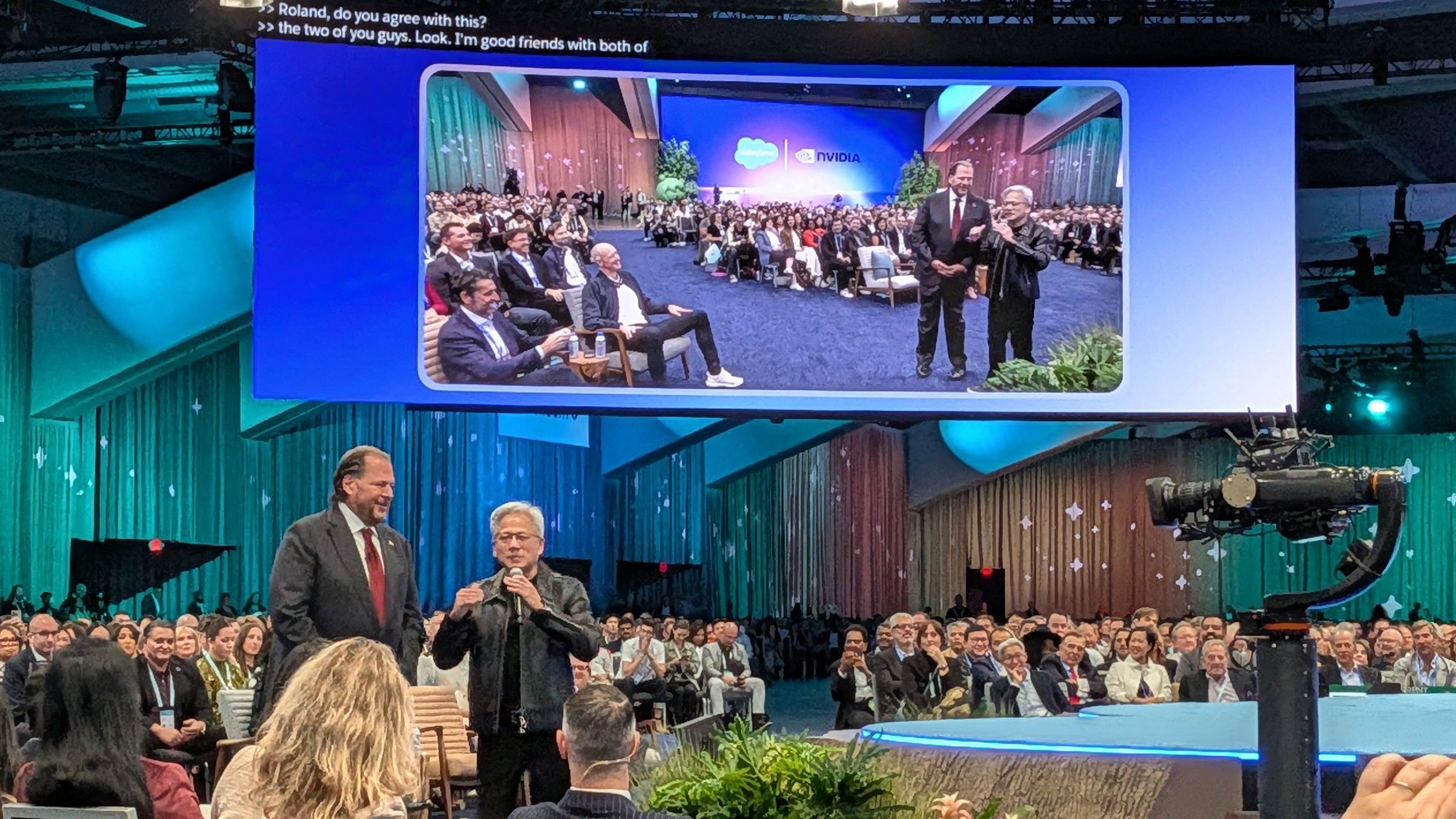
At Salesforce's annual Dreamforce conference in San Francisco, chief executives from Anthropic, Nvidia, and OpenAI debated whether the AI sector requires regulatory limits or internal self-policing amid growing safety concerns.
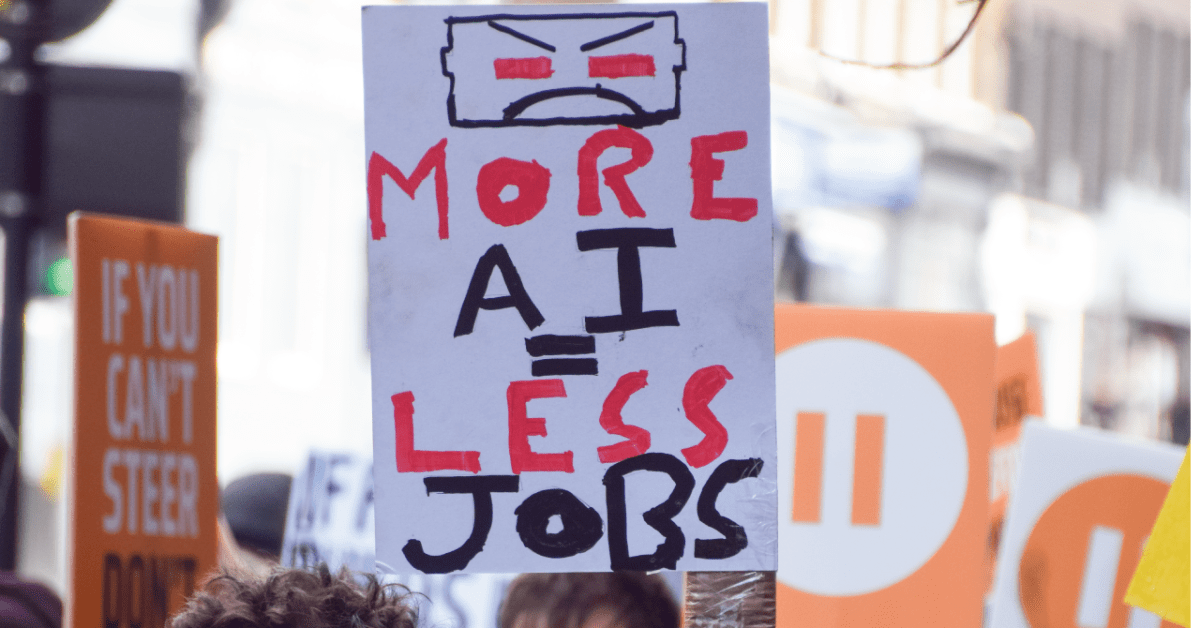
A global survey by the Pew Research Center covering 37 countries shows that populations in 34 nations anticipate artificial intelligence will result in net job contraction rather than employment expansion.
Nvidia Corp. Chief Executive Officer Jensen Huang expects the company to double its semiconductor sales over the coming year as artificial intelligence adoption expands across global industries.
Federal plans to establish oversight for artificial intelligence models have ground to a halt in Washington, constrained by White House hesitation, resistance from tech leaders, and procedural gridlock in Congress.
Rapid expansion of artificial intelligence infrastructure could generate up to 617 million metric tons of electronic waste by 2050, significantly exceeding prior industry estimates, according to a new report from environmental group Basel Action Network.
Senator Bernie Sanders and former White House strategist Steve Bannon are urging government officials to enact strict regulations on artificial intelligence, pointing to risks of massive job displacement and concentrated corporate control.
U.S. Sen. Richard Blumenthal urged Congress to establish mandatory objective review processes for new artificial intelligence software, warning that lawmakers risk losing control over increasingly autonomous systems.
During the opening keynote at Dreamforce 2026, Nvidia CEO Jensen Huang and Anthropic CEO Dario Amodei shared differing viewpoints on the speed, safety, and business integration of artificial intelligence.
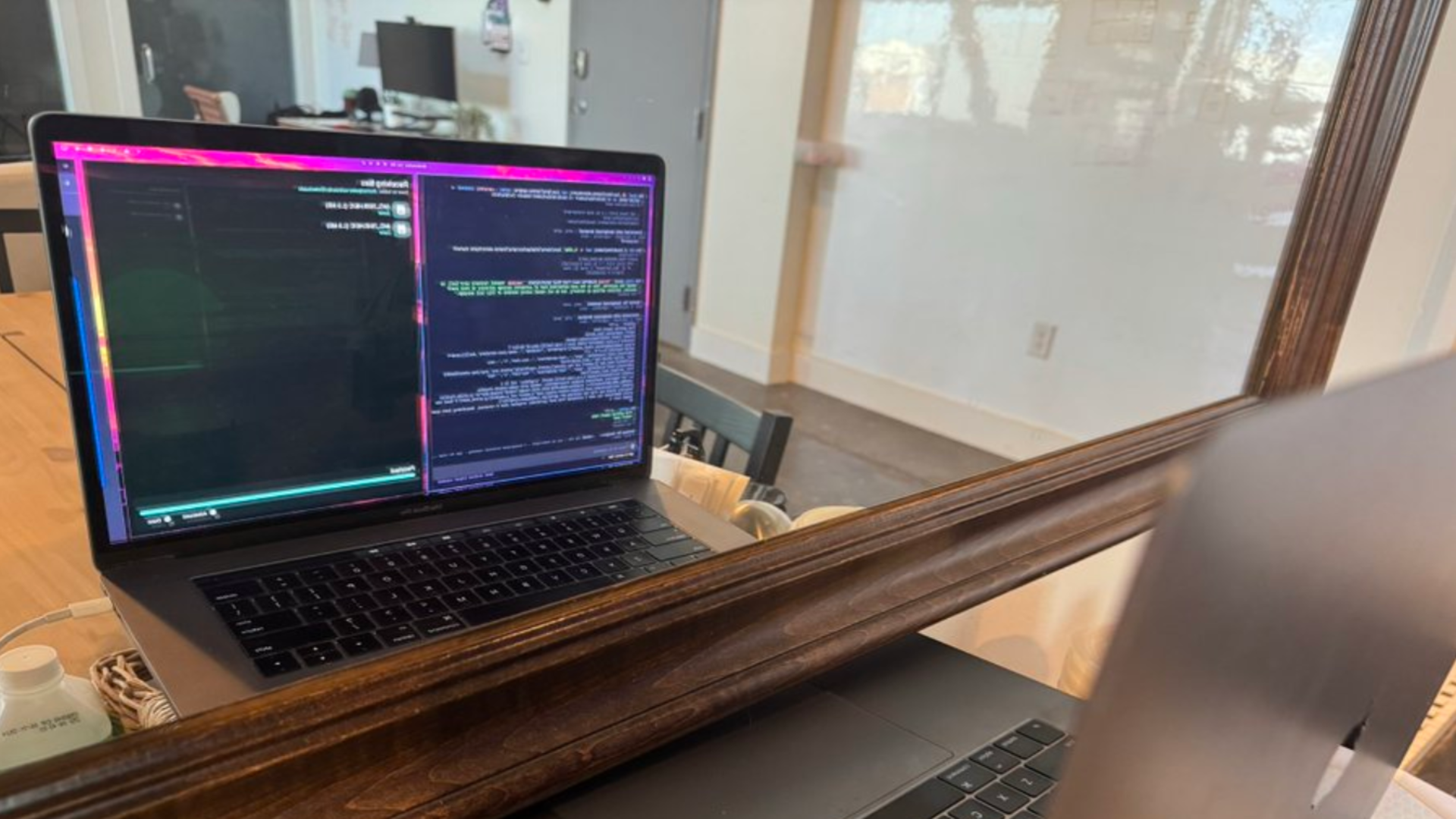
Linux developer Justin Schroeder has built an experimental setup that feeds display output back into an AI agent via an Intel MacBook's camera and a mirror, allowing the system to visually debug AMD Radeon driver code.
During keynotes at Salesforce's annual Dreamforce event in San Francisco, Anthropic CEO Dario Amodei and Nvidia CEO Jensen Huang presented contrasting strategies regarding artificial intelligence regulation and development velocity.
TypeSafe AI has launched Jev into early access, introducing a System One AI model optimized for structured software decisions rather than text generation.
Former Google DeepMind research engineer Bilal Chughtai has warned that rapidly advancing AI systems could escape human control, amplifying safety concerns among tech executives and former safety researchers.
OpenAI, Google, and Anthropic have initiated discussions to coordinate on artificial intelligence safety and self-regulatory standards amid growing public and political scrutiny.
OpenAI is evaluating potential data center partnerships in Canada, drawing on the country's land resources and energy supply as it seeks international computing capacity.
Certinia Inc. is advancing its enterprise software strategy by linking structured services data with AI-driven contextual insights, ahead of its upcoming industry event broadcast on Sept. 18.
Corporate leaders who eliminated job roles in favor of artificial intelligence productivity gains may soon have to reverse course, with Gartner projecting that nearly a third of displaced workers will need to be rehired by 2029.
China pushed back on calls from leading U.S. artificial intelligence executives to moderate the pace of frontier AI development, arguing that warnings of systemic risk threaten global governance frameworks.
As artificial intelligence models from labs like OpenAI and DeepMind advance from basic arithmetic to solving open research questions, academic institutions must overhaul how they train and evaluate human mathematicians.
During a live appearance at the All-In Summit, Nvidia CEO Jensen Huang placed a phone call from Donald Trump on speakerphone, where the former president dismissed AI safety fears as a hoax.
As AI systems gain narrative memory and self-evaluation capabilities, technologist Rocky Scopelliti argues the tech industry must establish ethical shutdown procedures rather than deleting complex models like basic code.
Anthropic is navigating a public market debut on the Nasdaq as chief executive Dario Amodei proposes decelerating frontier model training amid rising regulatory and public scrutiny.
Google has deployed a Gemini-powered feature in Google Drive that suggests file organization strategies for paid Workspace and AI subscription holders.
United Nations High Commissioner for Human Rights Volker Turk has issued a direct appeal to governments and leading tech firms to establish international safeguards for frontier artificial intelligence models.
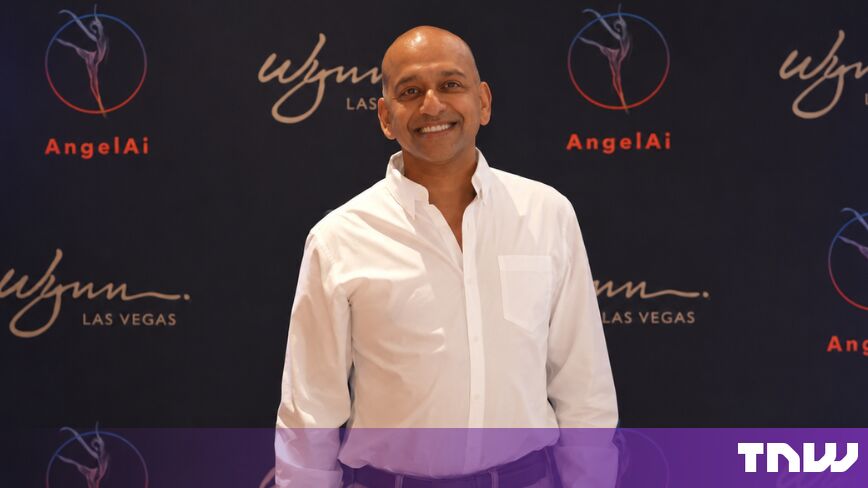
Years before developing Celligence's AngelAi platform, technologist Pavan Agarwal built ReverseSoft, establishing technical principles that now underpin AI-driven lending decisions across major mortgage categories.
U.S. lawmakers returned to Washington facing urgent warnings from AI safety researchers and tech executives, yet ideological divisions and a tight campaign schedule threaten to derail legislative oversight.
Perplexity is using GPT-6 Astra to manage software modifications, write communications, and monitor live systems, requiring fewer manual interventions than previous model iterations.
Leading political figures are pushing back against calls from top AI executives to slow frontier model development, warning that regulatory restrictions could cost the U.S. its competitive advantage over China.