Naïve Secures $28.5M to Streamline Business Operations through AI Automation
Naïve has successfully closed a Series A funding round, raising $28.5 million to advance its platform for automating business setup and management via AI agents.
Archive
Naïve has successfully closed a Series A funding round, raising $28.5 million to advance its platform for automating business setup and management via AI agents.
The San Francisco company is expanding autonomous teams that handle procurement, supplier coordination, invoices and payments for large enterprises.
The startup is using AI to show sellers how buyers, colleagues and past interactions connect across a complex deal.
The model infrastructure company says annual recurring revenue has passed $1 billion as customers deploy more specialized AI systems.
The Tel Aviv and San Francisco startup wants one continuously updated graph for employees, software accounts, service identities and AI agents.
The startup wants agents to own recurring business outcomes across existing applications instead of stopping after a single generated response.
The startup is building validation software that checks model responses before errors reach users in high-precision workflows.
The open-source database platform is financing faster growth as AI agents generate more applications and infrastructure demand.
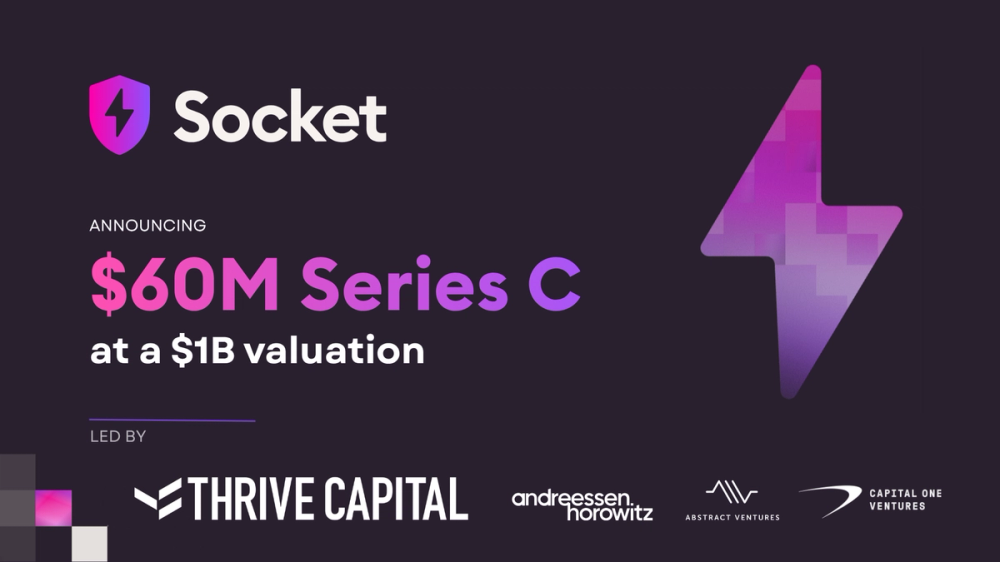
The software supply-chain company reached a $1 billion valuation as faster code generation increases the number of outside packages entering applications.
The San Francisco startup is trying to replace disconnected sales tools with a system that carries context from prospecting through a closed deal.
The young San Francisco company is starting with an AI-assisted alternative to the configuration and approval systems used for complex deals.
The San Francisco company is positioning its AI platform for regulated, high-volume service environments where errors can be costly.
The San Francisco company more than doubled its valuation to $2.75 billion as it expanded from moving customer data to helping agents run campaigns.
The new research lab wants software agents to build specialized expertise from experience instead of remaining fixed after training.
The Barcelona and San Francisco company is building a governed graph that lets employees, software and agents work from the same organizational knowledge.
The startup formerly known as mcp-use is turning an open-source toolkit into a managed platform for deploying the connectors used by AI applications.
The Y Combinator company is targeting evidence collection and compliance work that still depends heavily on spreadsheets, tickets and manual review.
The Y Combinator startup is making its streaming platform generally available as AI developers look for simpler ways to process live data.
The Series C extension values the developer platform at $1.5 billion as more teams need persistent infrastructure for applications and agents.
The company is applying foundation-model techniques to tables and relational data, an area where text-focused AI systems often struggle.

.jpg)