Naïve Secures $28.5M to Streamline Business Operations through AI Automation
Naïve has successfully closed a Series A funding round, raising $28.5 million to advance its platform for automating business setup and management via AI agents.
Archive
Naïve has successfully closed a Series A funding round, raising $28.5 million to advance its platform for automating business setup and management via AI agents.
The Kubernetes management company added Goldman Sachs and strategic investors as businesses move AI systems from pilots into production.
The company behind a widely used local AI tool is adding resources for enterprise adoption while keeping its open-source distribution engine.
The enterprise software startup is expanding an AI-native development platform built around requirements, oversight and audit trails.
The company is building software that continually personalizes campaigns, tests changes and adjusts marketing decisions across customer channels.
The AI infrastructure company is using its fourth financing in 18 months to expand model inference services for enterprise customers.
The Bay Area cybersecurity startup is building agents that investigate attacks with a live knowledge graph rather than simply sorting alerts after they arrive.
The Palo Alto startup is commercializing infrastructure around a widely used open-source engine for running and serving advanced AI models.
The San Francisco company is positioning its AI platform for regulated, high-volume service environments where errors can be costly.
The San Francisco company more than doubled its valuation to $2.75 billion as it expanded from moving customer data to helping agents run campaigns.
The new research lab wants software agents to build specialized expertise from experience instead of remaining fixed after training.
The logistics technology company is broadening its platform from transportation payments into operational and financial decisions across the supply chain.
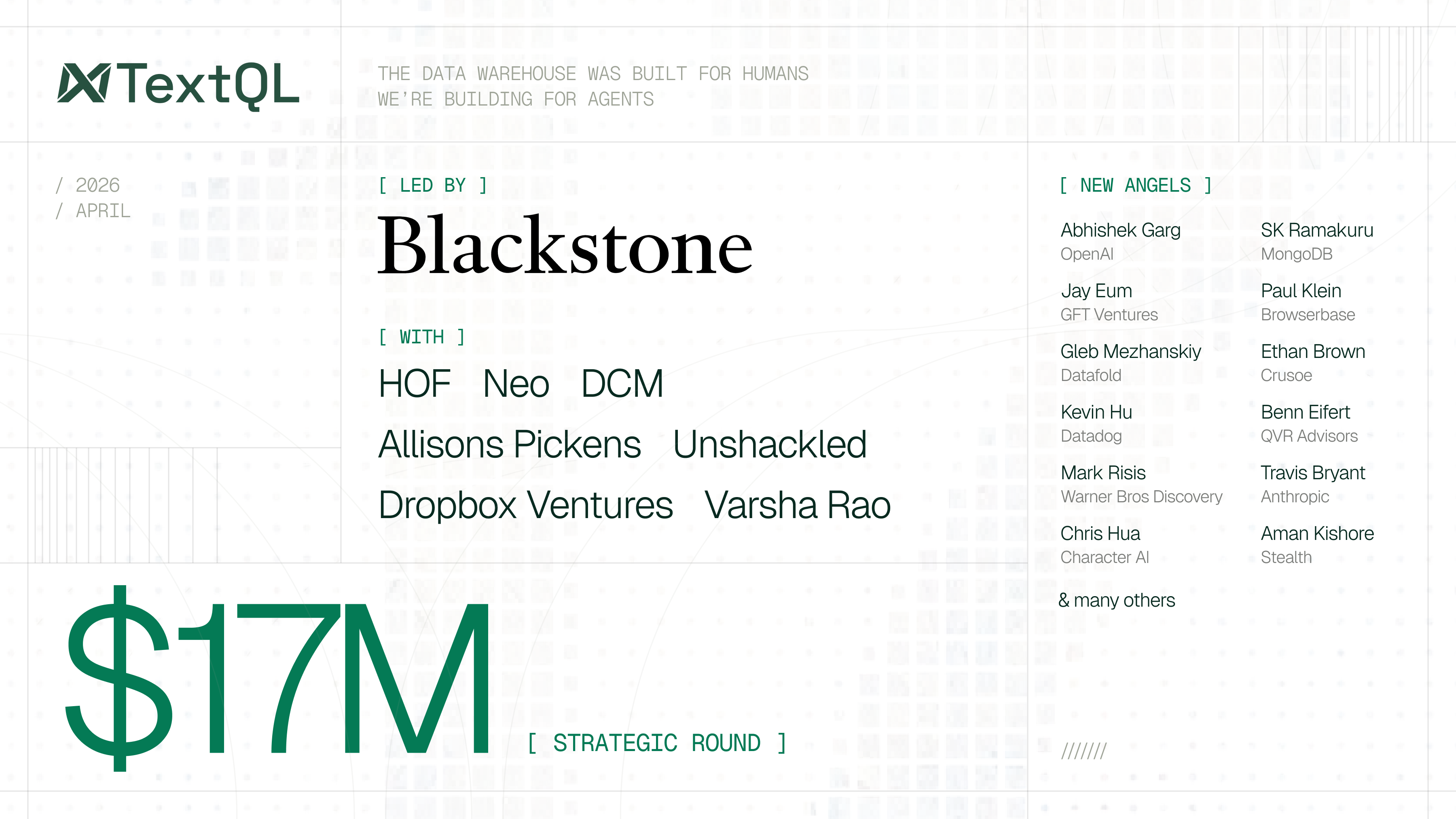
The analytics startup is using strategic capital to expand software that lets employees ask questions across fragmented company data in ordinary language.
The company is assembling distributed GPU capacity into a platform that lets developers choose models, hardware and deployment locations.
The startup wants employees to direct business software through natural language while agents work across data and applications.
The durable-computing company reached a $5 billion valuation as enterprises look for infrastructure that can keep long-running AI work on track.
The Series C extension values the developer platform at $1.5 billion as more teams need persistent infrastructure for applications and agents.