Meta Launches Muse Spark 1.1 and a Model API
The multimodal model targets coding, computer use and long-running agent tasks.
Archive
The multimodal model targets coding, computer use and long-running agent tasks.
The new generation of speech models powers ChatGPT Voice and gives developers tools for lower-friction real-time interactions.
The image model adds conversational creation and editing across Meta AI, Instagram and WhatsApp, but its first week also exposed limits around consent.
The new architecture aims to reduce the copies and pipelines separating operational applications from analysis.
The voice input update can improve punctuation, capitalization and formatting while new Siri voices aim for more natural delivery.
The updates extend VoiceOver, Magnifier, Voice Control and captioning while adding eye-based wheelchair controls for Vision Pro.
The I/O update lets users speak to Gmail, Docs and Keep while introducing an AI image creation and editing workspace.
The subscription update separates mainstream, professional and higher-compute access as Google expands Gemini across its products.
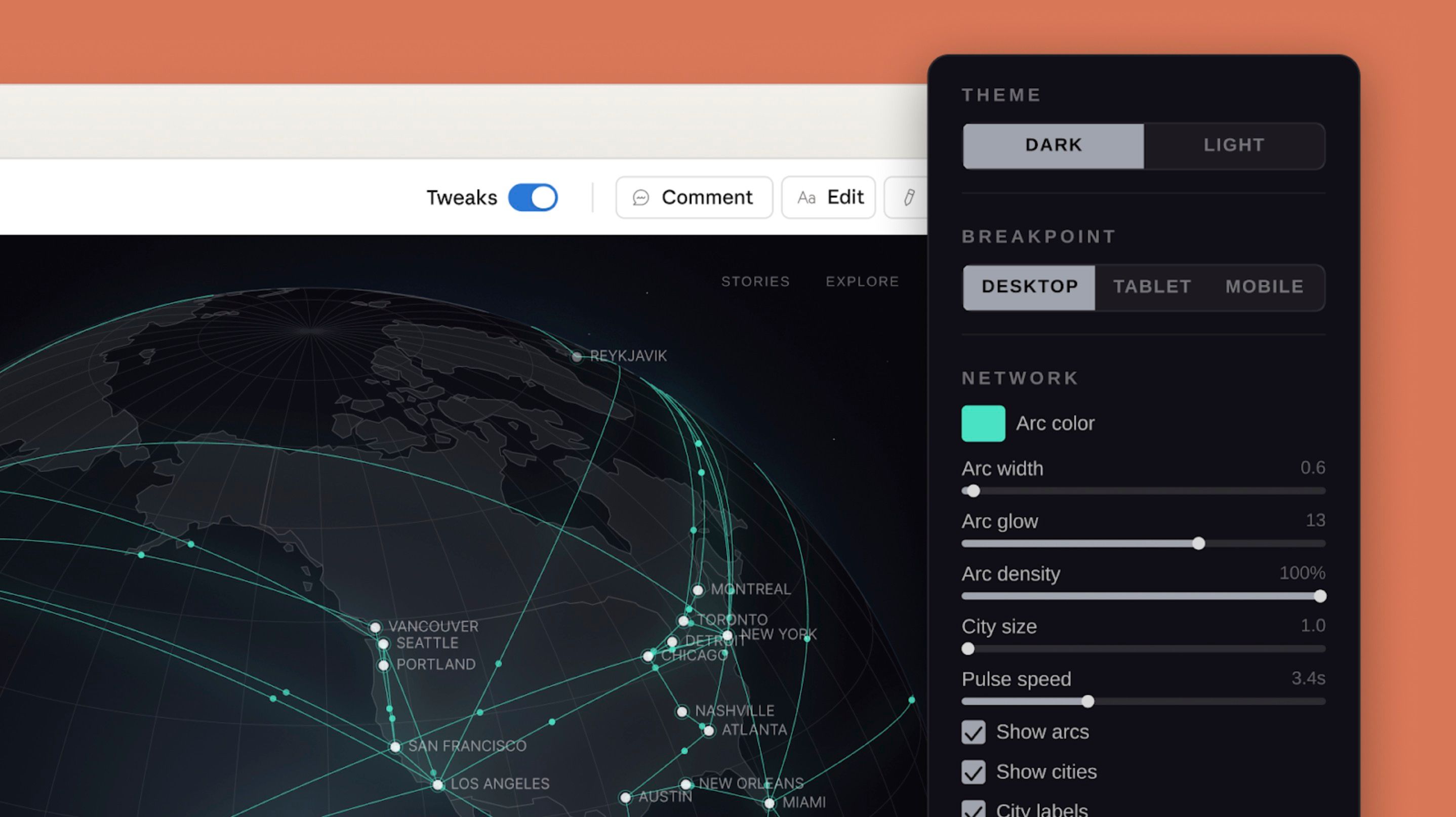
The research-preview product turns a conversation with Claude into editable designs and can apply a company's existing visual system.
The first model from Meta Superintelligence Labs powers a redesigned Meta AI experience and can coordinate parallel subagents.
A single integration is designed to expose catalogs, payments and order workflows to AI shopping agents.
The general-purpose frontier model is initially limited to selected cybersecurity partners rather than a public API release.
The camera-and-voice search experience now supports real-time multilingual conversations wherever AI Mode is available.
The television interface can now show richer responses, narrated topic explorations and quick updates for sports fans.