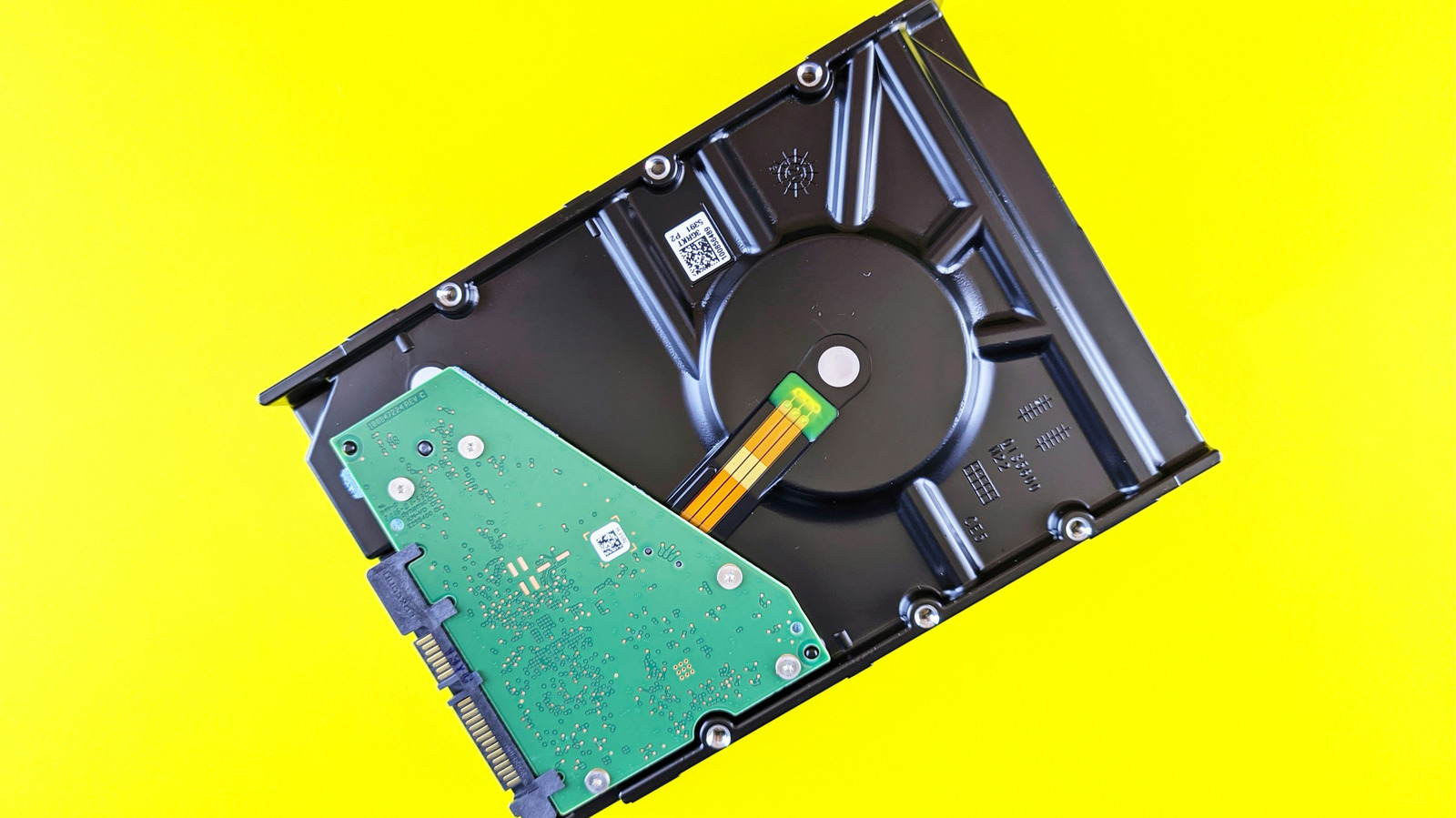
Why Enterprise Rugged Laptops Command Premium Prices and Specialized Designs
Industrial-grade notebooks from Panasonic, Dell, and Getac prioritize extreme durability and modular hardware over portability for field operations.
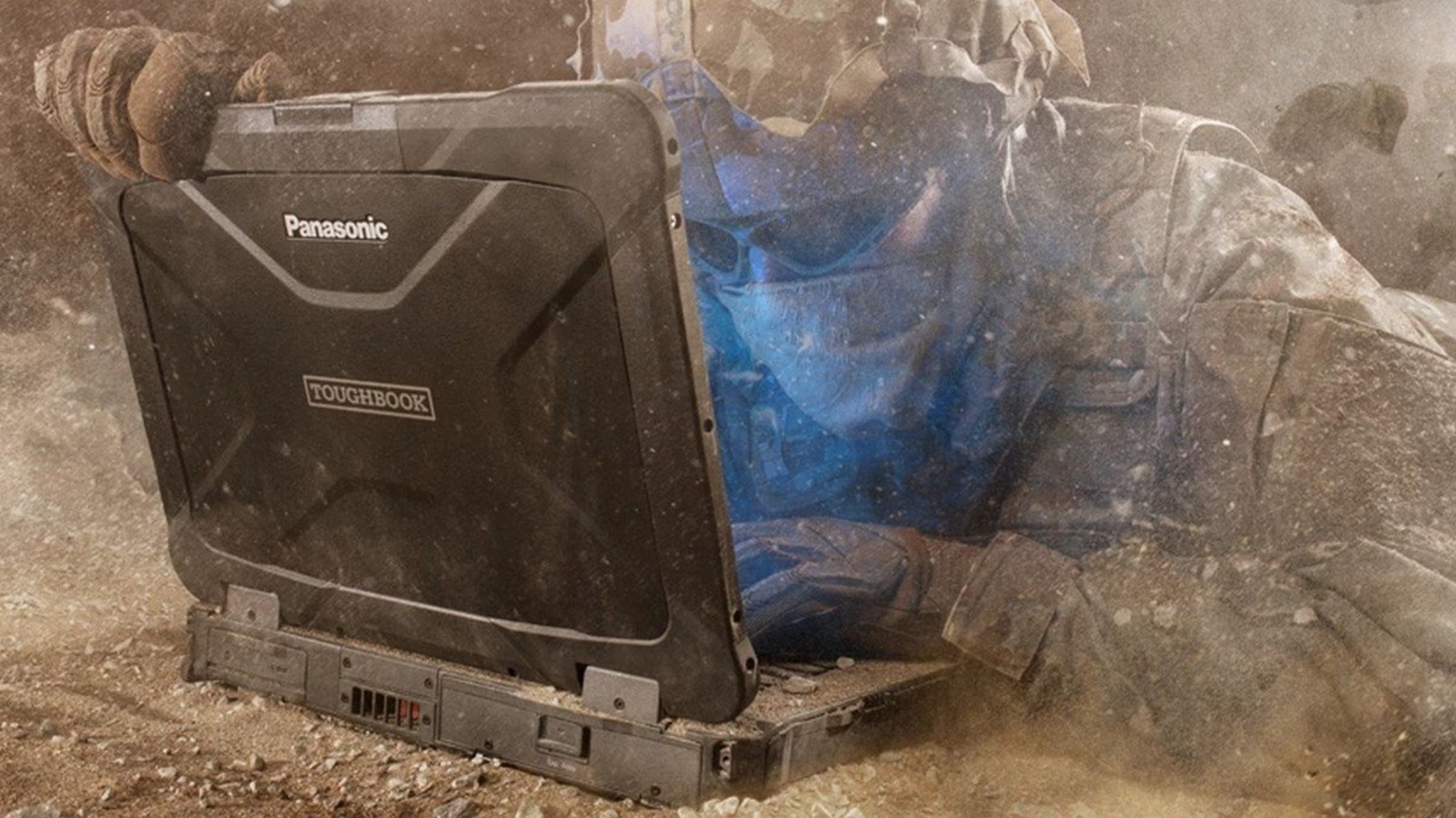
The enterprise computer market maintains a distinct segment dedicated to high-durability hardware, catering to specialized workforce environments rather than traditional office or consumer settings. As detailed by Engadget, these ruggedized laptops are built to survive extreme physical conditions, sacrificing slim form factors and lower prices to ensure continuous field uptime.
A prominent example in this space is Panasonic's flagship Toughbook 40, a device engineered to meet MIL-STD-810H military durability guidelines. The unit features an IP66 ingress protection rating against dust and water, can endure drops from heights up to six feet, and includes a touchscreen designed for glove operation. To accommodate long field deployments, it utilizes swappable battery packs and modular bays that allow users to customize port and hardware configurations.
Originally introduced in 2022 with a base price tag of $4,899, Panasonic no longer publishes a standard starting cost for the Toughbook 40, instead routing prospective buyers through its commercial sales division. Weighing 7.5 pounds, the system is engineered specifically for first responders, military units, and field technicians operating near heavy machinery and exposed elements.
Several other industrial computer manufacturers compete in this enterprise niche with heavy-duty designs. Getac offers its B360 Pro, which delivers IP66 protection and a six-foot drop threshold at a starting weight of 6.79 pounds. Meanwhile, Dell produces the fully rugged Dell Pro Rugged 13 starting at 5.29 pounds, and Durabook manufactures the Z14I, a heavy-duty notebook that weighs nearly eight pounds.
To achieve extreme durability, these manufacturers employ structural corner reinforcements, sealed port covers, and specialized outdoor displays. For example, while the Toughbook 40 features a standard 14-inch 1080p display panel, it delivers a high brightness output of 1,200 nits for outdoor readability. Furthermore, the laptop can be outfitted with specialized legacy and industrial connectivity options, including serial ports, secondary Ethernet jacks, and optical disc drives.
Processing capabilities in rugged systems have increasingly closed the gap with mainstream enterprise notebooks. Latest-generation builds of the Toughbook 40 and comparable Getac computers feature Intel Core Ultra 5 and Ultra 7 processors, along with optional discrete graphics processing units. These hardware specifications allow field workers to run intensive applications without sacrificing structural protection.
For organizations seeking a balance between mobility and durability, manufacturers also offer semi-rugged alternatives. Panasonic's Toughbook 56 carries an entry price of $3,325, weighing 4.66 pounds with an IP53 rating and a three-foot drop tolerance, while Dell and Getac offer similar mid-tier rugged hardware. Other computer makers, such as Framework with its Laptop 13 Pro, focus on modular repairability and user-replaceable components as a distinct strategy to lengthen device lifespans without adding heavy protective shielding.
Sources
Written by
The Company Wire
Inside the companies building what’s next. Reporting on startups, technology, funding and the people shaping them.