Rep. Khanna Introduces 'Data Center Bill of Rights'
A new resolution aims to empower local communities with greater control over data center development.
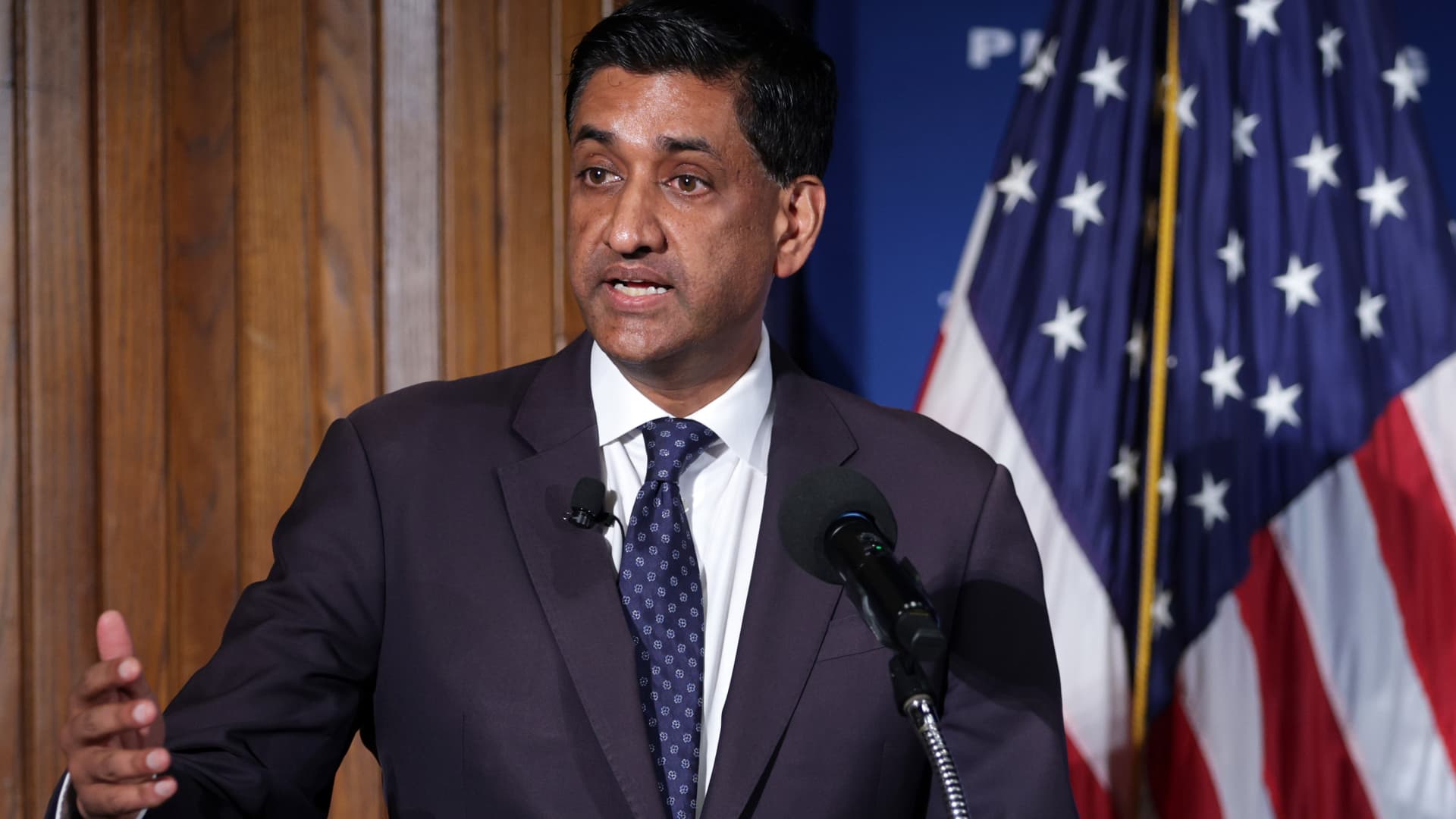
Representative Ro Khanna (D-Calif.) is set to introduce a 'data center bill of rights,' a legislative proposal designed to grant local communities enhanced authority over the construction of facilities that power artificial intelligence operations. This initiative comes as public sentiment nationwide expresses concern regarding potential increases in utility rates associated with these energy-intensive data centers.
Khanna, a prominent figure widely anticipated to be a presidential candidate in 2028, stated that this resolution would enable local populations to decline proposed data center projects. Following a recent visit to Pennsylvania, Khanna reported receiving considerable negative feedback concerning data centers throughout the state. He emphasized the necessity for legislation that prevents the imposition of these facilities on unwilling communities, allowing them to reject proposals and ensuring such developments are not situated in agricultural areas or residential zones.
The resolution, disclosed to CNBC, seeks to establish a framework of entitlements for communities, empowering them to prevent the construction of new data centers. This effort coincides with a wave of other legislative actions aimed at moderating data center expansion due to worries about their contribution to the rising cost of living.
The proposed authorities within Khanna's resolution include enabling communities to prohibit data centers from being built within 2,500 feet of residential properties, educational institutions, childcare facilities, hospitals, or nursing homes. It also ensures a community's right to reject any proposed data center through a transparent local process.
Furthermore, the resolution aims to preserve a state's ability to implement statewide moratoriums on new data centers until state-level protections are enacted. These protections would be designed to shield ratepayers from increased electricity bills and prevent the depletion of local water resources. Several states, including New York, have already enacted temporary bans on data center development.
The proposed legislation would also safeguard the power of communities and municipalities to regulate data center development without state preemption. It mandates that data centers utilize clean and reliable energy sources, adhere to pollution limits, and allows communities to demand that utility costs remain stable.
Data centers are facing increasing political scrutiny across the United States in the lead-up to the midterm elections, which will determine control of Congress for the remainder of President Donald Trump's term. These facilities, crucial for the substantial investment driving the AI sector, have drawn opposition from voters due to their significant demands for energy and water.
Opponents of data center expansion have recently achieved electoral successes. Abdul El-Sayed, a Democratic Michigan Senate candidate endorsed by Khanna, secured victory in a competitive primary election. El-Sayed has advocated for state and local moratoriums on data centers unless federal safeguards are established. Khanna, whose constituency includes Silicon Valley, commented that the major companies developing these hyperscale data centers are "losing the country."
Sources
Written by
The Company Wire
Inside the companies building what’s next. Reporting on startups, technology, funding and the people shaping them.