FCC Eliminates TV Ownership Cap, Sparking Congressional Authority Debate
The FCC has moved to abolish the 39% cap on television household reach for broadcasters, citing a need for competitive balance against streaming services, a decision drawing criticism and legal challenges over congressional intent.
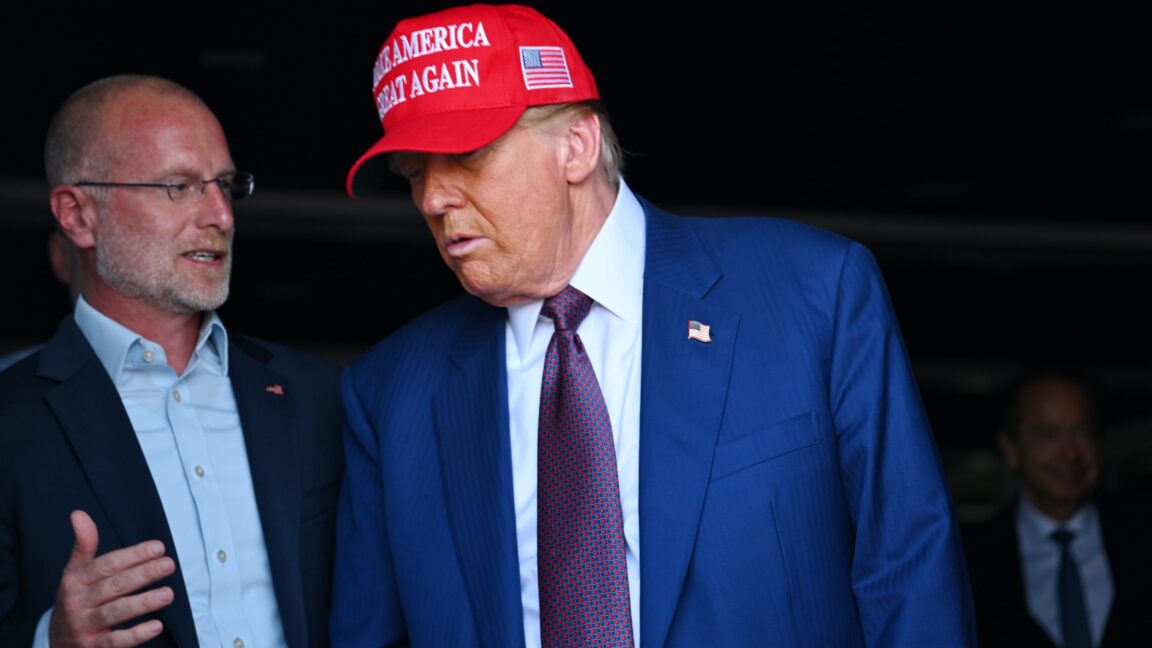
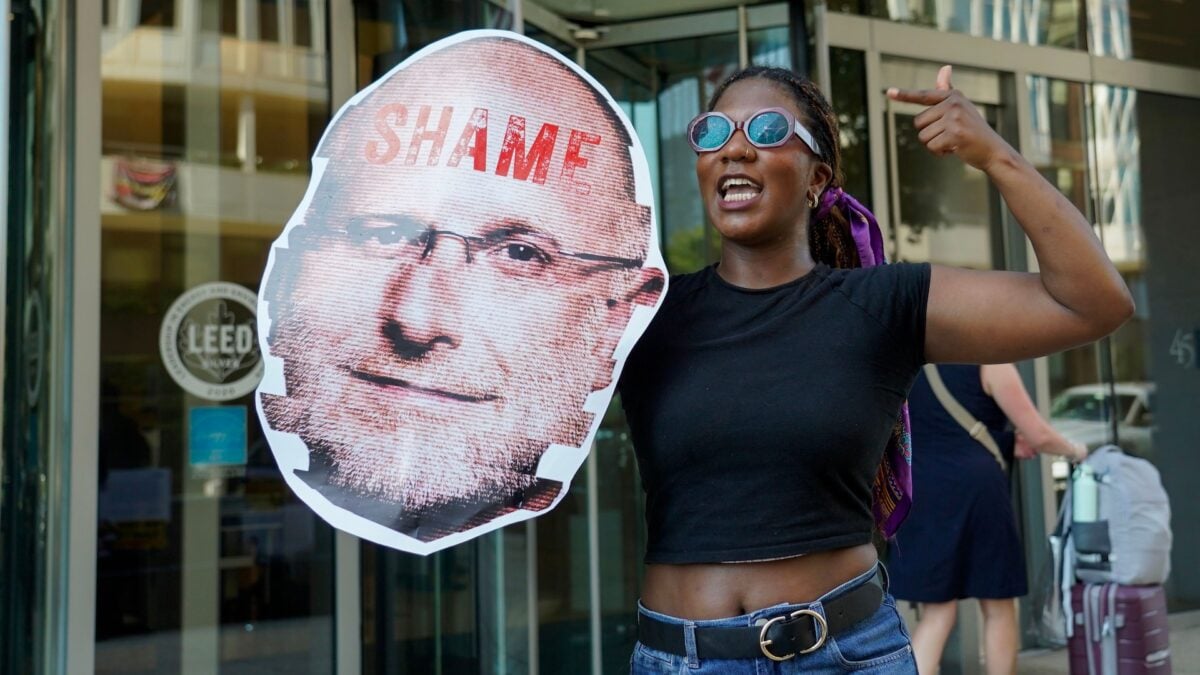
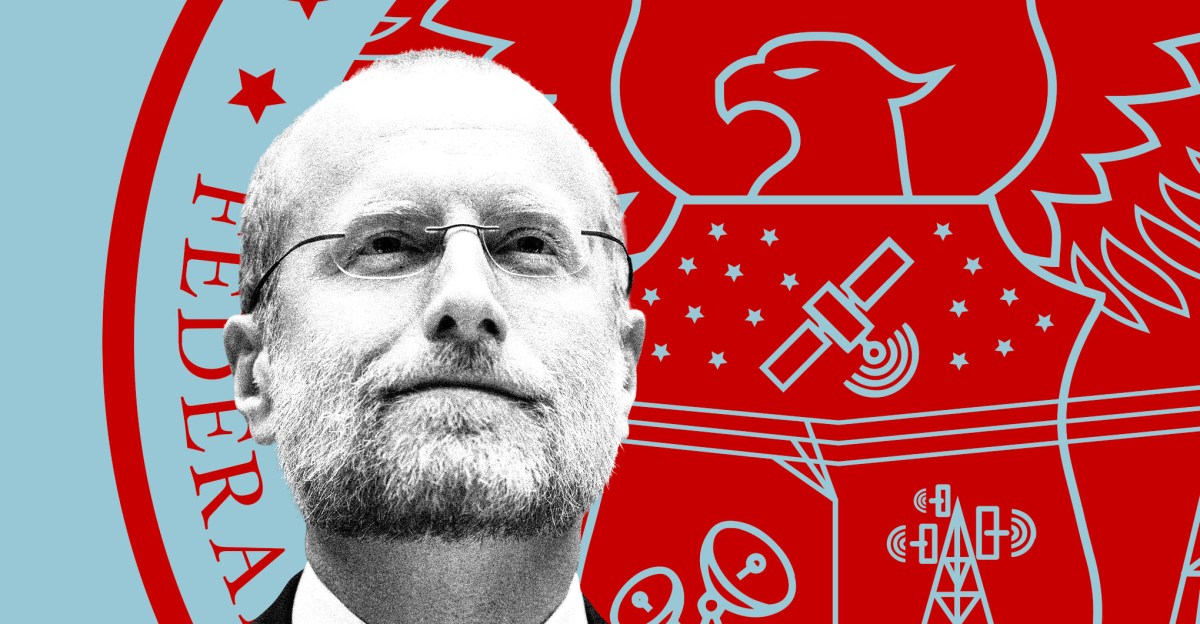
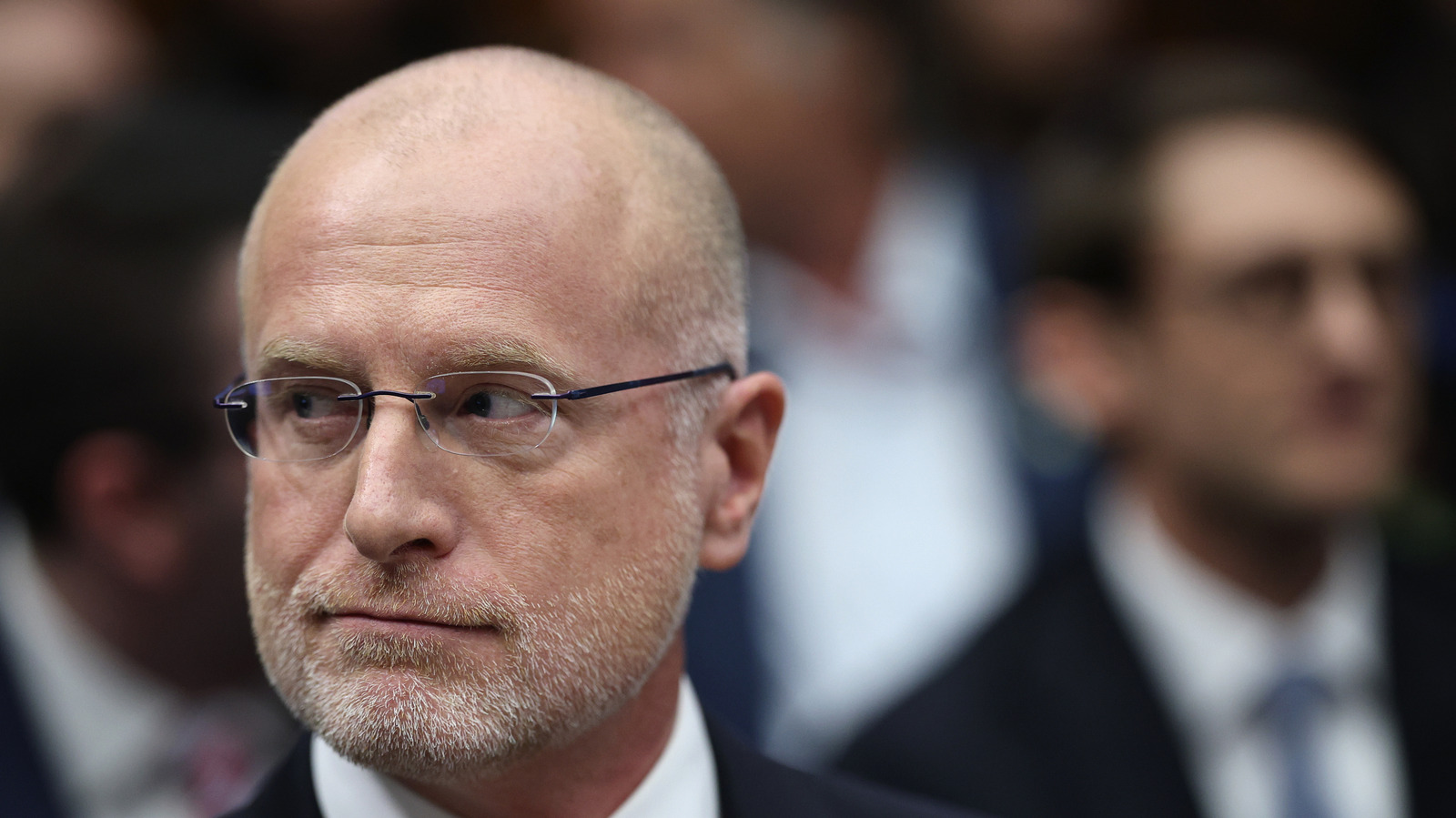
The Federal Communications Commission (FCC), under Chairman Brendan Carr, has announced its intention to eliminate the standing regulation that prevents any single broadcast station owner from reaching more than 39% of all U.S. television households. This rule will be replaced with a case-by-case review process for proposed mergers, according to a press release from Carr's office. This shift aims to enable the FCC to approve transactions that align with public interest while rejecting those that do not meet the specified criteria.
Proponents of the change, including Carr's office, argue that removing the 39% cap will better position broadcasters to compete with streaming companies, which are not subject to similar limitations. The FCC chairman also suggested that local broadcast television stations are increasingly functioning as "undifferentiated passthroughs of national programming produced in Hollywood and New York." He justified the repeal by asserting it would empower stations to invest in local news content. Carr stated during a recent meeting that abolishing the national cap would offer crucial relief to local broadcasters, helping to counteract the growing influence of national programmers. He believes increased scale will attract the necessary capital and advertising revenue for sustainable production of community-focused news and programming.
The legal validity of the FCC's action is expected to be a central point of contention in potential court challenges. In 2004, Congress mandated the 39% cap, overriding an earlier 2003 FCC decision to raise the limit from 35% to 45%. The 2004 legislation also explicitly stated that the FCC could not repeal or modify this cap during its quadrennial reviews of media rules. Media advocacy organization Free Press has indicated its intent to file a lawsuit to block the change.
Matt Wood, General Counsel for Free Press, criticized the FCC's move, stating that altering this limit requires congressional action and that the FCC chairman appears unconcerned with this requirement. Wood suggested the outcome would facilitate consolidation by Trump-aligned billionaires, potentially leading to one or two dominant broadcasters in each market, significant job reductions for journalists, and an influx of low-quality content presented as local news. Carr previously waived the TV ownership rule in a scenario involving Nexstar Media Group's acquisition of Tegna, which allowed it to exceed half of U.S. TV households, a merger currently facing a court challenge.
Democratic FCC Commissioner Anna Gomez opposed the decision, asserting that only Congress possesses the authority to modify the cap. Gomez highlighted the agreement among various Republicans with extensive knowledge of the issue, including former FCC Commissioner Mike O’Rielly, who stated the FCC lacks the power to change the cap. Additionally, former House Majority Leader Tom DeLay, who played a role in negotiating the 39% compromise, emphasized that Congress intentionally codified the cap to prevent FCC revisions. Senator Ted Cruz, Chairman of the Senate Commerce Committee, has also expressed skepticism regarding the FCC's ability to implement such a change without congressional action.
Carr, in his statement, referenced a 2002 DC Circuit appeals court decision, arguing it supported the FCC's authority to modify the cap. The court in that ruling indicated that Congress's 1996 decision to set the cap at 35% merely defined the starting point for the Commission's assessment of future changes. However, this 2002 ruling predates Congress's establishment of the 39% cap and the subsequent limitations placed on the FCC's ability to alter it.
A recent 2024 Supreme Court decision, which overturned the 40-year-old Chevron precedent, further complicates the FCC's position. The Chevron doctrine previously granted federal agencies broad discretion in interpreting ambiguous laws, provided their interpretations were reasonable. The absence of Chevron grants courts greater power to interpret congressional intent in statutes, potentially reducing deference to regulatory agencies' judgments.
Historically, both Democratic and Republican FCC chairs have claimed the authority to modify the cap, provided it is not done during the quadrennial review process. Under former Democratic Chairman Tom Wheeler, the FCC sought to impose stricter regulations by eliminating an exemption that only counted half of the households reached by UHF stations. This change was short-lived, as Republican Chairman Ajit Pai subsequently led a vote to reinstate the UHF exception. While Carr is the first chairman to attempt to fully eliminate the cap, he claims his legal arguments are consistent with the conclusions of previous FCC chairs, noting an "unbroken line of FCC chairs" who agreed on the commission's authority to modify the cap.
Gomez further contended that removing the cap would negatively impact local broadcasters, arguing that while digital giants compete for programming and advertising, the proposed elimination of the cap would merely shift the pressure from "Big Tech" to "Big Media." She stated that a concentration among a few station-group giants does not represent the interests of local broadcasters and would not protect communities as the cap was originally intended to do.
Sources
Written by
The Company Wire
Inside the companies building what’s next. Reporting on startups, technology, funding and the people shaping them.