FCC Ends Broadcast Ownership Cap, Opts for Case-by-Case Review
The Federal Communications Commission has voted to eliminate the national broadcast ownership cap, replacing it with a granular, case-by-case review process for consolidation proposals.
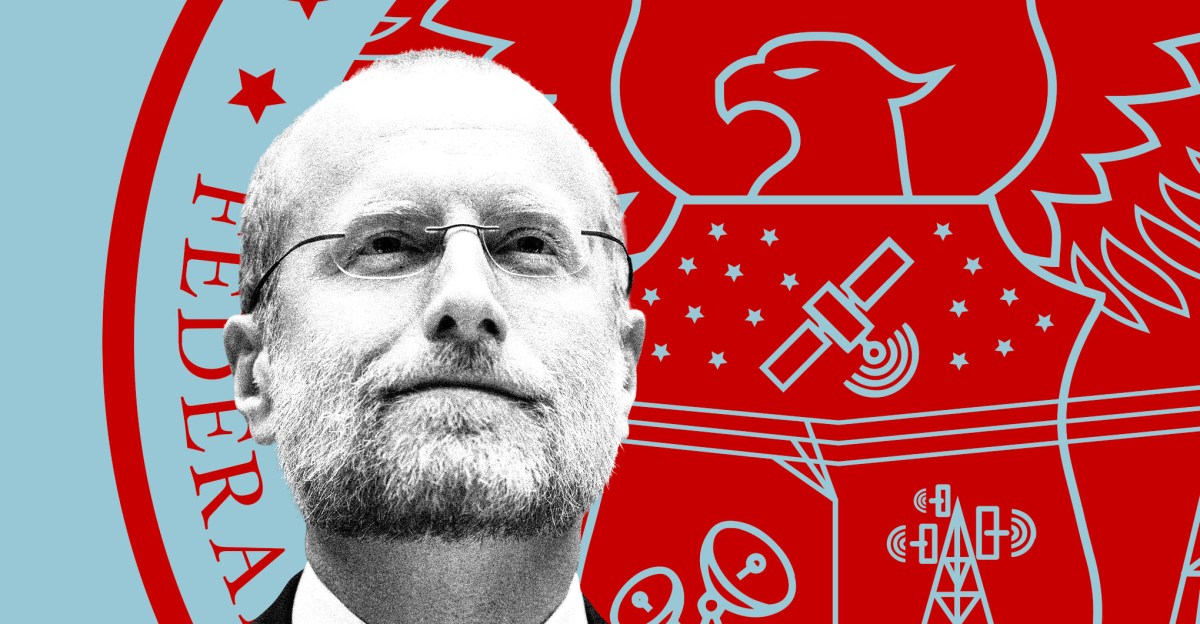
The Federal Communications Commission (FCC) officially concluded the era of predetermined broadcast ownership limits on Thursday, August 6, 2026. The agency's vote eliminated the national ownership cap rule, which had previously restricted broadcast entities from controlling stations reaching more than 39 percent of U.S. television households.
The decision saw support from the FCC's two Republican members, Chairman Brendan Carr and Commissioner Olivia Trusty. Democratic Commissioner Anna Gomez cast the dissenting vote. This move formalizes a policy shift that Carr has consistently advocated for and publicly announced his intention to pursue at the prior month's FCC meeting.
In lieu of a fixed ownership cap, the FCC intends to implement a 'granular, case-by-case review' approach. This new methodology aims to assess whether proposed broadcast consolidation aligns with the public interest. According to an FCC press release, this change will remove the necessity for the agency to demonstrate 'special circumstances' when waiving a rule deemed no longer beneficial to the public.
Chairman Carr has frequently characterized the former ownership cap as an artificial constraint, arguing that it hindered broadcasters' ability to compete with social media platforms and streaming services. He has pointed out that these digital entities can reach 100 percent of the country without requiring broadcast licenses.
This regulatory adjustment occurs amidst a period where Carr and former President Donald Trump have expressed criticisms of broadcasters over content perceived as unfair. For instance, the FCC had previously requested an early renewal of ABC’s broadcast licenses following Trump's public disapproval of a late-night host's joke about his wife. The agency stated that its decision was connected to an investigation into the company's diversity, equity, and inclusion (DEI) policies.
Opponents of removing the ownership cap, including Commissioner Gomez, have raised concerns that allowing broadcasters to acquire an unlimited number of stations could disincentivize local journalism on public airwaves and potentially lead to increased consumer costs. They also contend that only Congress possesses the authority to lift the ownership cap, given its codification in a 2004 law, thereby potentially exposing the FCC's decision to legal challenges.
Despite these objections, the FCC, under Carr's leadership, had already begun circumventing the rule prior to its official repeal. Carr had previously granted a waiver to the cap to facilitate the $6.2 billion merger between broadcasters Nexstar and Tegna. That merger, however, has since been temporarily halted by a federal judge, pending a challenge initiated by a coalition of state attorneys general.
Sources
Written by
The Company Wire
Inside the companies building what’s next. Reporting on startups, technology, funding and the people shaping them.