FCC Ends TV Station Ownership Cap, Citing Market Evolution
The Federal Communications Commission has voted to eliminate a rule that previously limited a single company's television station ownership to 39% of American households.
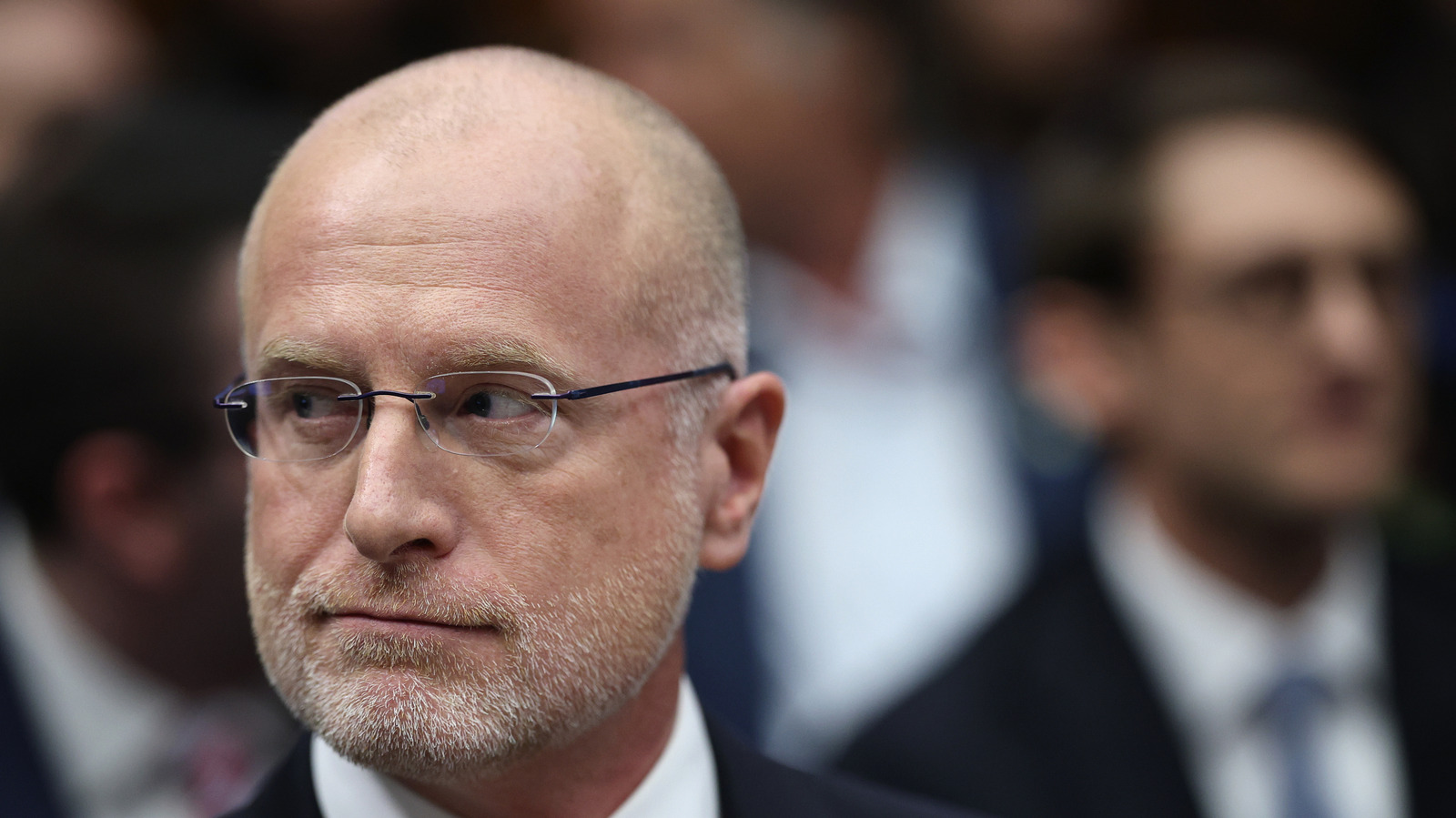
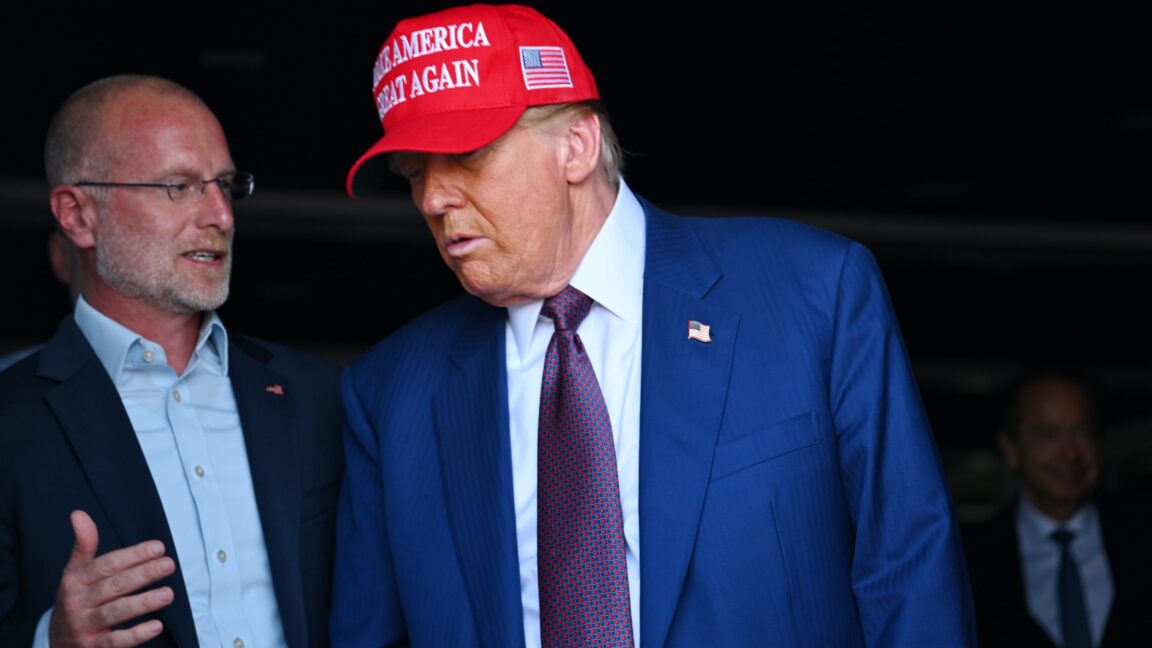
The Federal Communications Commission (FCC) on Thursday repealed a regulation that restricted any single entity from owning enough television stations to reach more than 39% of households in the United States. FCC Chairman Brendan Carr, an associate of President Donald Trump, supported this action, though the sole Democratic commissioner argued that such a change falls exclusively under congressional authority.
The 39% threshold was established in 2004, following Congress's decision to increase the cap from 35% in the 1990s. The underlying principle of this limit is to prevent any one company from dominating U.S. broadcasting, aiming to preserve competition and prevent a small number of powerful figures from controlling national discourse. The FCC characterized its decision as an effort to align regulations with current market conditions, asserting it would serve the public interest. The FCC stated that this change would empower the agency to approve beneficial deals while rejecting those that do not meet its standards, suggesting a case-by-case evaluation approach.
FCC Commissioner Anna Gomez, the commission's only Democrat, labeled the rule's elimination as "unlawful on its face," emphasizing that Congress had statutorily set the cap and only Congress could modify it. She dismissed the argument that increased competition from social media necessitates greater consolidation in television ownership. Gomez contended that removing the cap would not alleviate economic pressures on local broadcasters but rather shift the source of that pressure, moving it from 'Big Tech' to 'Big Media.' She further explained that the large station groups poised for expansion under this decision are national corporations that own local stations and increasingly dictate their content, rather than being local broadcasters themselves.
Brendan Carr has previously been noted for his interventions in the media sphere, including attempting to have Jimmy Kimmel dismissed for comments about the president and implementing a 'bias monitor' at CBS. President Trump had previously suggested that networks critical of him should have their broadcast licenses revoked, expressing confidence in Carr's capacity to handle such matters.
Recent federal approvals under the Trump administration include the merger of SkyDance and Paramount, which granted David Ellison oversight of CBS News, among other prominent media entities. Ellison's acquisition of Warner Bros. Discovery also received approval, potentially transferring control of CNN to Larry Ellison's son. However, this latter merger is currently subject to legal challenges from Democratic Attorneys General.
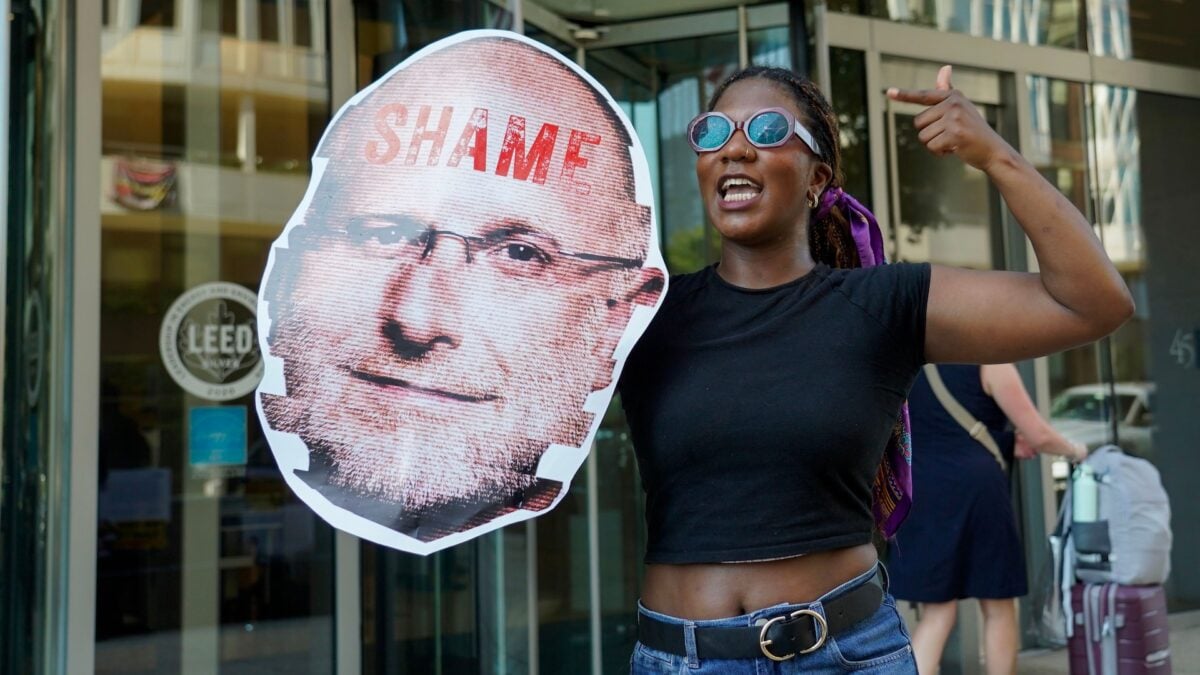
Commissioner Gomez cited the merger between Nexstar and Tegna as another example, which resulted in a media conglomerate reaching over 70% of U.S. households. She pointed out that when the FCC previously waived the cap to facilitate the Nexstar-TEGNA merger, a federal judge intervened, finding that states and DirecTV were likely to prove it violated antitrust law. Gomez also drew a parallel to the newspaper industry, noting that while the largest newspaper chains expanded their market share, the country experienced the loss of over 3,300 newspapers. She argued that consolidation in that sector did not save the industry but instead concentrated what remained while the industry itself declined. Critics have voiced concerns that the cap's removal is unlawful and primarily benefits news organizations aligned with the Trump administration.
Sources
Written by
The Company Wire
Inside the companies building what’s next. Reporting on startups, technology, funding and the people shaping them.