Google's AI Leadership Undergoes Significant Restructuring Amidst Internal Pressures
Google's artificial intelligence division has experienced substantial leadership changes, reportedly influenced by a push for faster product development and ethical considerations within the company.
Google announced major leadership shifts within its artificial intelligence division, prompting speculation regarding underlying organizational challenges. While the company maintained a unified public stance, focusing on future success, these executive alterations may indicate deeper issues within Google's AI operations, including its competitive position and internal debates over research priorities versus product delivery.
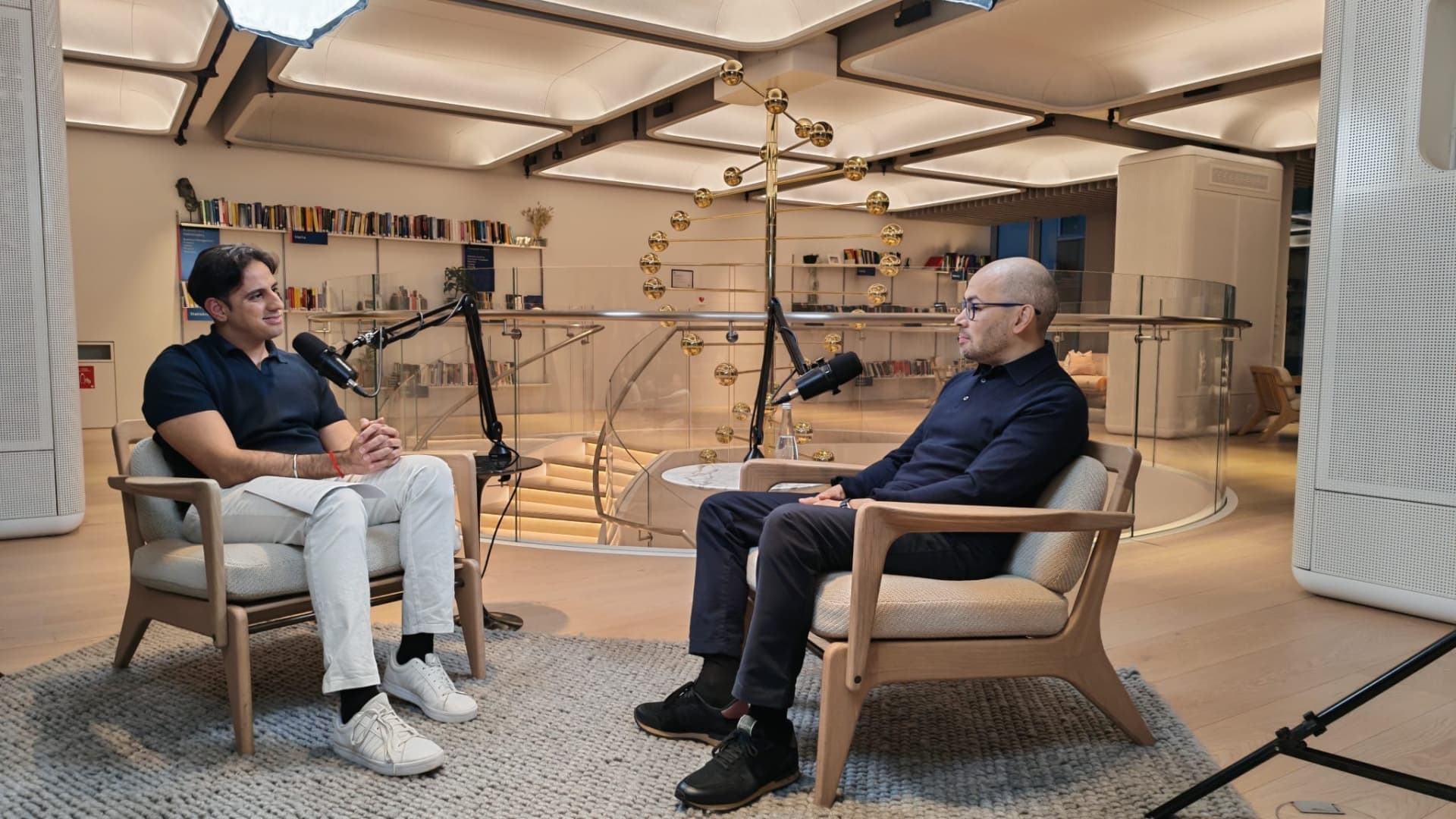
A notable change involves Demis Hassabis, who is transitioning from DeepMind's daily operations to concentrate on Artificial General Intelligence (AGI) research. Koray Kavukcuoglu, DeepMind's current Chief Technology Officer, will assume leadership of DeepMind. Concurrently, Jeff Dean, a 27-year Google veteran and its 30th employee, is departing the organization alongside three senior AI researchers to establish a new AI startup.
The AI industry, accustomed to frequent talent movement, was particularly impacted by these developments. One unnamed Google employee suggested Dean's departure represents the waning of Google's foundational ideals, expressing concern that the company might experience a 'brain drain' and a decline in quality. These changes occur as Google, despite being a leader among established tech giants in AI, is perceived as slower-moving compared to companies like OpenAI and Anthropic.
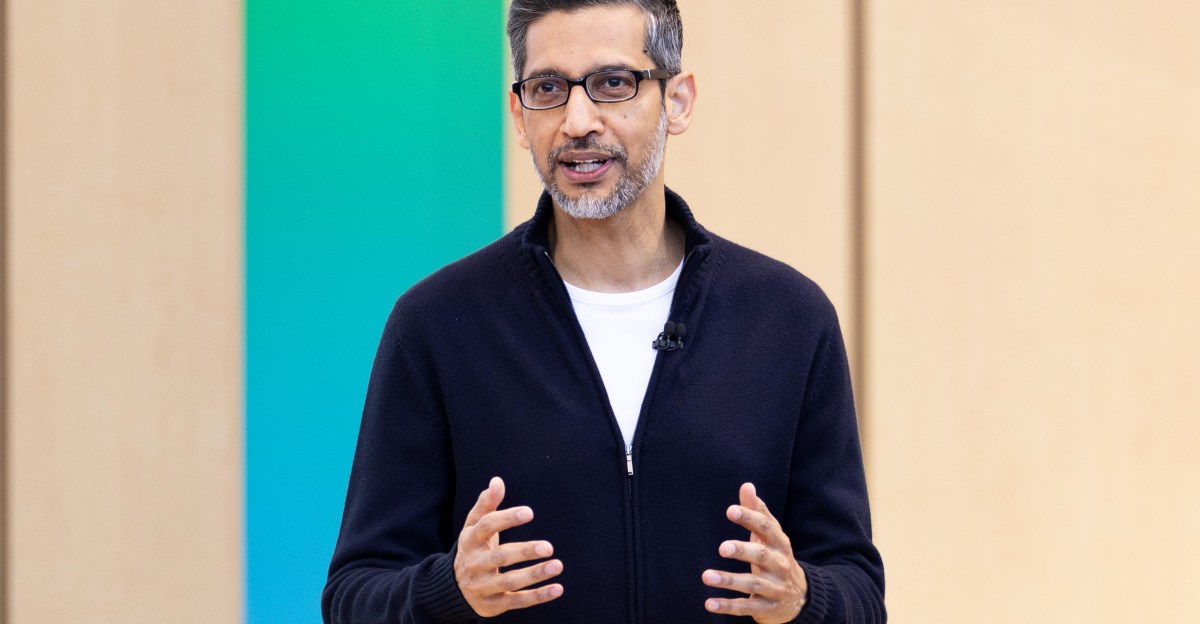
Both Hassabis and Google CEO Sundar Pichai acknowledged the need for accelerated progress. Pichai stated the company's commitment to remaining at the forefront of AI and emphasized the necessity of moving swiftly with clear objectives. Hassabis, in turn, indicated a 'next chapter' for the company, expressing confidence in its ability to lead. Industry observers largely interpret these shifts as a move by Hassabis to prioritize a more product-focused and rapid development approach within Google DeepMind (GDM).
A former Google employee, knowledgeable about the company's AI operations, noted a significant increase in internal competition around AI products over the past decade, driven by pressure to expedite product launches. Another industry source, requesting anonymity, concurred that the changes signal a reduction in Hassabis's influence, whose interests have historically leaned towards scientific advancements in AI rather than commercialization.
Beyond product strategy, ethical considerations appear to have played a role in the leadership changes. Tyler Johnston, founder of The Midas Project, an AI industry watchdog, suggested that Google's contract with the Department of Defense, which could enable the use of Google AI in mass surveillance and lethal autonomous weapons, may have influenced Hassabis's role change and Dean's exit. DeepMind was reportedly acquired by Google under an agreement to avoid military or intelligence applications of its technology.
Dean's new venture, Discovery Loop, aims to automate scientific and engineering experiments in fields like drug discovery and clean energy. He will be joined by former Google AI researchers Sanjay Ghemawat, Quoc Le, and Oriol Vinyals. The unnamed Google employee expressed that Dean's departure feels like a setback for ethical considerations within Google, citing his public opposition to issues like mass surveillance, lethal autonomous weapons, and the Department of Defense contract.
Dean had previously been a vocal critic of the Department of Defense's designation of Anthropic as a supply chain risk, supporting Anthropic's lawsuit and expressing concerns about AI's risks. He had also publicly disavowed the use of AI for mass surveillance and lethal autonomous weapons, aligning with a public pledge he and Hassabis signed in 2018. Following Anthropic's dispute, Google joined other companies in allowing the Pentagon to use its AI for 'any lawful use,' a stance Dean had publicly opposed.
Alex Turner, a former Google researcher, cautioned that Dean's departure would be detrimental to the company, implying that Dean's willingness to challenge company policy, particularly by signing an amicus brief supporting Anthropic, likely created internal tension. Dean's exit may remove a prominent internal critic, but it is unlikely to quell broader discontent within Google regarding its political decisions, a sentiment increasingly voiced by employees since the beginning of the year.
Sources
Written by
The Company Wire
Inside the companies building what’s next. Reporting on startups, technology, funding and the people shaping them.