U.S. Air Force Explores Open-Architecture Mission Computer Upgrade for F-16 Fleet
The service is briefing defense contractors on a modular compute system designed to support future AI workloads and keep Viper fighters operational into the 2040s.
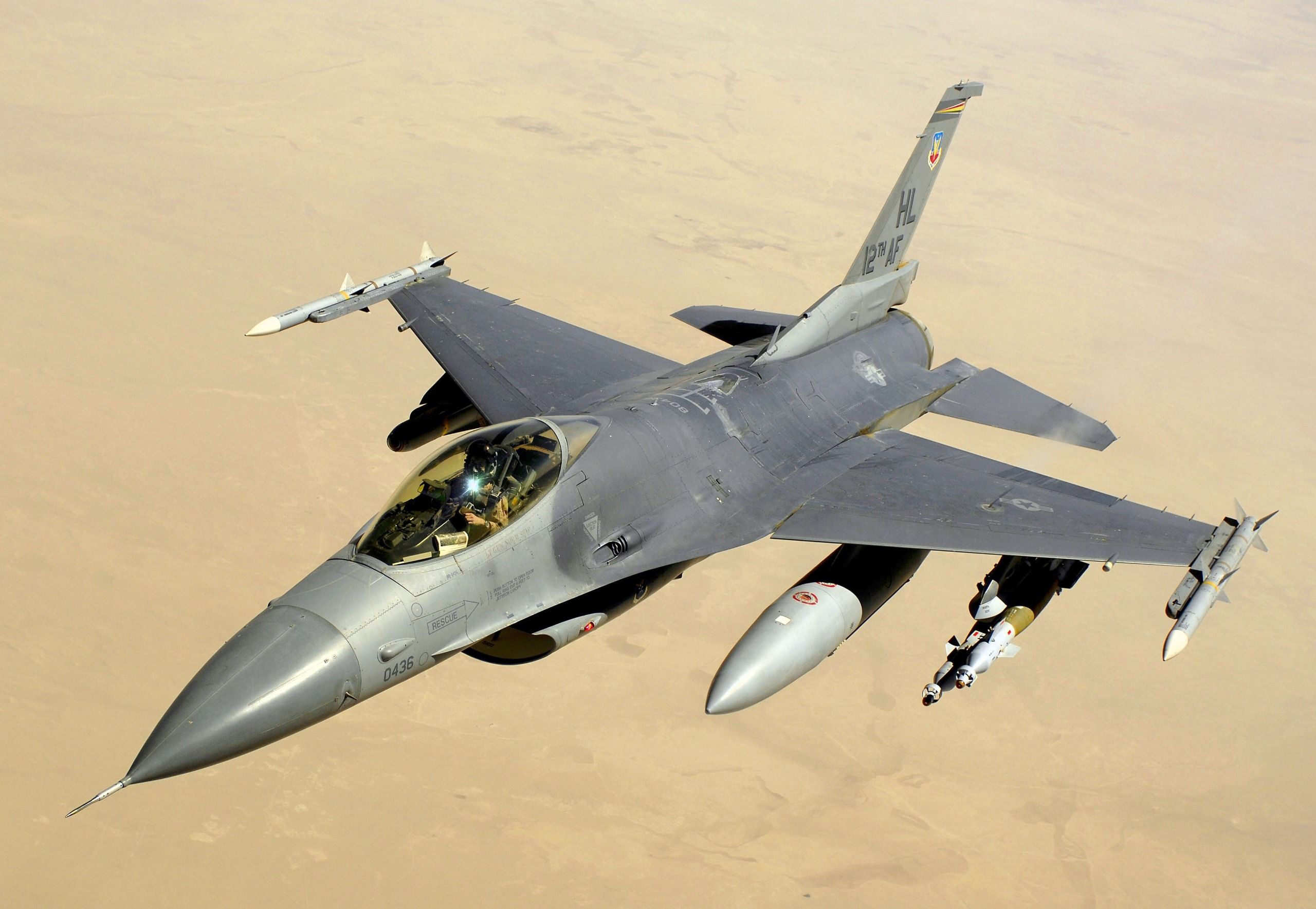
The U.S. Air Force is exploring a major overhaul of the primary mission computers across its F-16 Fighting Falcon fleet. As reported by TechRadar Pro (https://www.techradar.com/pro/usaf-will-upgrade-f-16s-computers-to-keep-venerable-falcon-fighters-flying-until-the-2040s-popular-4th-generation-aircraft-will-have-flown-almost-seven-decades-by-the-time-they-retire), the Air Force Life Cycle Management Center's F-16 program office is preparing to brief defense contractors at Wright-Patterson Air Force Base in Ohio regarding a Next-Generation Mission Compute (NGMC) system. The proposed hardware upgrade targets Block 40, 42, 50, and 52 variants, which comprise the core of the service's active Viper inventory.
Interest in the prospective avionics initiative has been high among defense suppliers. All 24 one-on-one briefing sessions with the USAF program team were fully booked ahead of a September 24, 2026 milestone, leading to an October 8 update that restricted sensitive sessions strictly to contractors certified to handle export-controlled data. The initiative is currently an exploratory sources-sought effort rather than a formal request for proposals, and the Air Force has not yet initiated a formally funded acquisition program.
According to procurement documentation cited by TechRadar Pro, the Air Force characterizes the NGMC concept as a strategic departure from traditional, monolithic avionics architectures. The service plans to pivot toward software-defined systems based on the Modular Open Systems Approach, utilizing hardware compliant with Sensor Open Systems Architecture standards. By adopting commercial off-the-shelf modules instead of custom proprietary cards, the Air Force aims to eliminate single-vendor lock-in and enable multi-vendor procurement for future processor and storage updates.
The integration parameters present notable engineering requirements. The NGMC chassis must function as a drop-in replacement that fits into existing computer bays, reuse existing wiring where possible, and rehost the legacy Operational Flight Program software that governs the aircraft's systems. Rehosting legacy software remains a substantial technical task; the Air Force noted to C4ISRNET in 2017 that the F-16's mission computer runs roughly six million lines of code.
The Air Force is also seeking technical headroom for advanced processing, including artificial intelligence. Procurement notices asked industry respondents how their designs would scale processing, storage, graphics processing units, and AI or machine learning resources. Specific operational applications for onboard AI acceleration have not been publicly disclosed, with technical requirements retained in an export-controlled attachment.
The upgrade follows decades of incremental avionics modernizations. Between 2000 and 2010, the Common Configuration Implementation Program brought approximately 650 Block 40 to 52 jets to a unified avionics standard, according to The Aviationist. In December 2016, the Air Force selected Raytheon for a Modular Mission Computer Upgrade intended to provide twice the processing power and 40 times the memory, with rollouts projected for 2022 to 2023.
The hardware refresh aligns with the Air Force's broader fleet planning. In April 2023, Col. John D. Caldwell noted that the F-16 is slated to remain in active service into the 2040s. Following the service's 2017 decision to increase the aircraft's structural design life from 8,000 to 12,000 flight hours, Lockheed Martin projected that service life extension initiatives could keep up to 300 Block 40 to 52 aircraft flying through 2048 and beyond. With 935 F-16s making up roughly half of the U.S. Air Force fighter inventory in early 2024, open-architecture computing is poised to play a central role in maintaining fleet viability.
Sources
Written by
The Company Wire
Inside the companies building what’s next. Reporting on startups, technology, funding and the people shaping them.