New York Representative Ritchie Torres Prepares Bill to Protect Digital Video Game Ownership
The proposed Power to the Players Act would direct the FTC to require permanent game ownership and offline modes when publishers shutter servers.
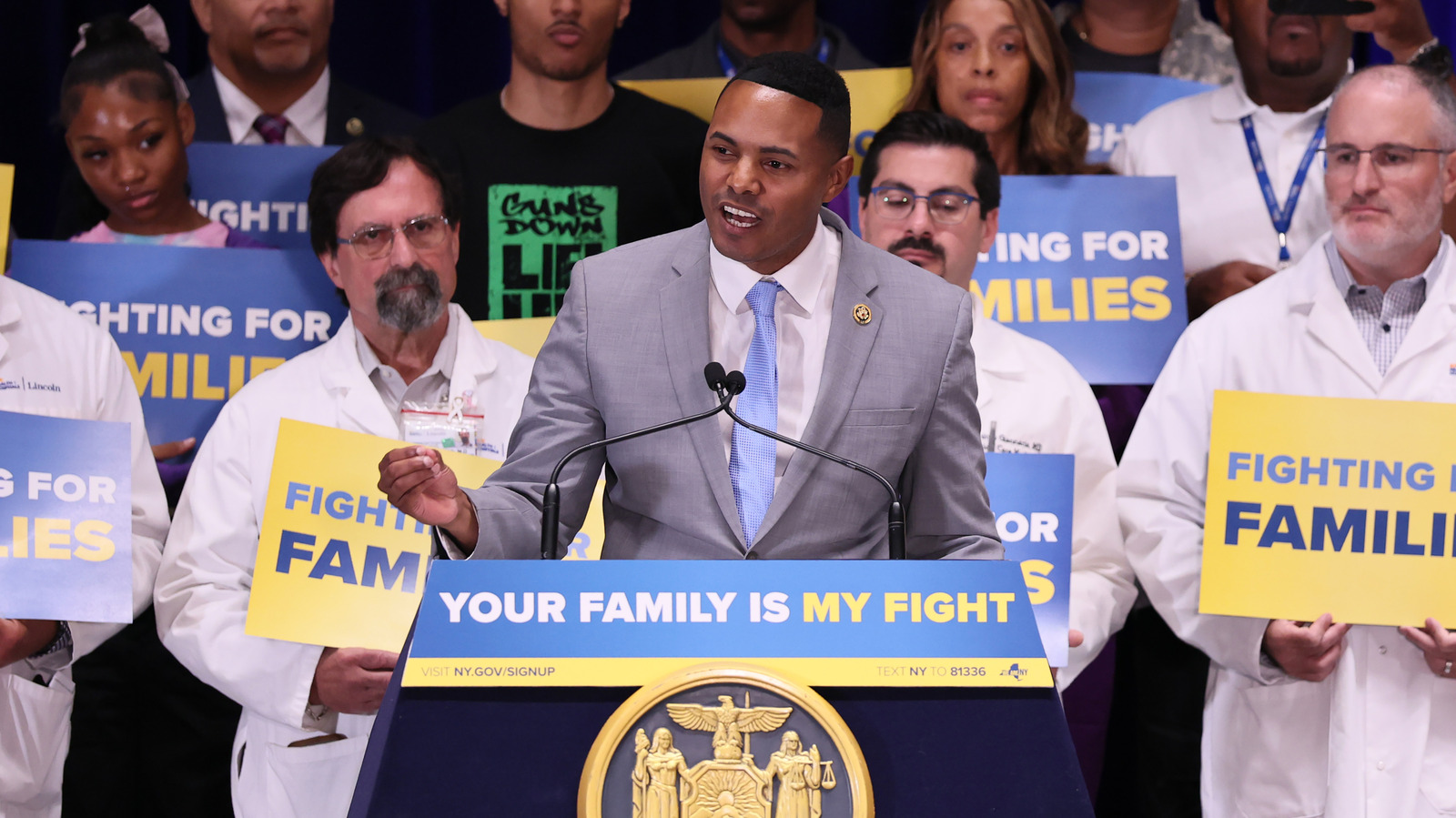
Representative Ritchie Torres (D-NY) has announced plans to introduce federal legislation directing the Federal Trade Commission to protect consumers' ability to own and play the video games they purchase, according to reporting by Engadget (https://www.engadget.com/2288193/ny-congressman-to-introduce-bill-protecting-video-game-ownership/).
The proposed legislation, titled the Power to the Players Act, has not yet been formally introduced in Congress. In spirit, the proposal aligns with the Stop Killing Games campaign, an advocacy initiative lobbying for game ownership protections in a market dominated by digital licenses that can be revoked by publishers at will.
The announcement for Torres' bill cites NBA 2K25 as a concrete example of the issue. The basketball game was released in 2024 for $70 and is scheduled for removal from digital storefronts on October 30, roughly two years after launch. In addition to delisting the title, publisher 2K plans to decommission the servers supporting the game's online modes in December, leaving buyers unable to access the full product they originally purchased.
Under the Power to the Players Act, the FTC would be directed to establish rules ensuring players own purchased games rather than merely licensing them. The measure would also mandate that publishers provide an offline mode whenever online server infrastructure is decommissioned.
In an interview with Kotaku cited by Engadget, Torres framed the proposed rules as a "restoration to the historical norm" that predated the transition to digital distribution. Torres added that establishing these protections in gaming could encourage similar safeguards for digitally purchased books, movies, and music.
The bill faces significant legislative and legal hurdles. State-level efforts have struggled, including a California bill with similar protections that died in committee in June. Furthermore, relying on FTC regulatory authority carries legal vulnerability following the Supreme Court's 2024 decision overturning Chevron deference, which limited the discretion federal agencies hold when interpreting ambiguous statutes. Under that precedent, commission regulations face the risk of being halted in court, comparable to how a single federal judge blocked the FTC's nationwide ban on noncompete agreements.
Sources
Written by
The Company Wire
Inside the companies building what’s next. Reporting on startups, technology, funding and the people shaping them.