Waymo Launches Driverless Commercial Rides in Denver, San Diego, and Tampa
Alphabet's autonomous vehicle subsidiary expands its footprint to 14 markets as rivals Zoox and Tesla advance competing deployment strategies.

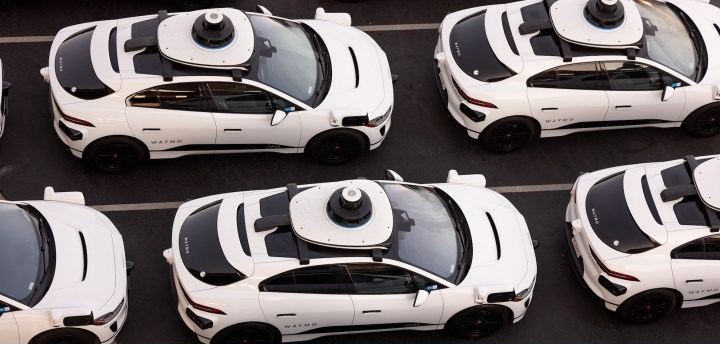
Waymo is extending its commercial driverless taxi operations into Denver, San Diego, and Tampa, expanding Alphabet's autonomous ride-hailing presence to 14 U.S. cities and launching its first commercial rides in Colorado. The expansion coincides with Amazon's Zoox initiating vehicle testing in two additional markets and Tesla preparing to share fresh updates regarding its Cybercab service, as first reported by Tech Startups.
The current operational footprint highlights distinct strategies across the autonomous vehicle sector. While Waymo offers fully automated paid trips directly to consumers via its mobile application, Zoox is deploying toaster-style vehicles with human safety drivers in Houston and San Diego. Meanwhile, Tesla continues to pursue a camera-centric approach designed to simplify vehicle manufacturing and reduce sensor expenses.
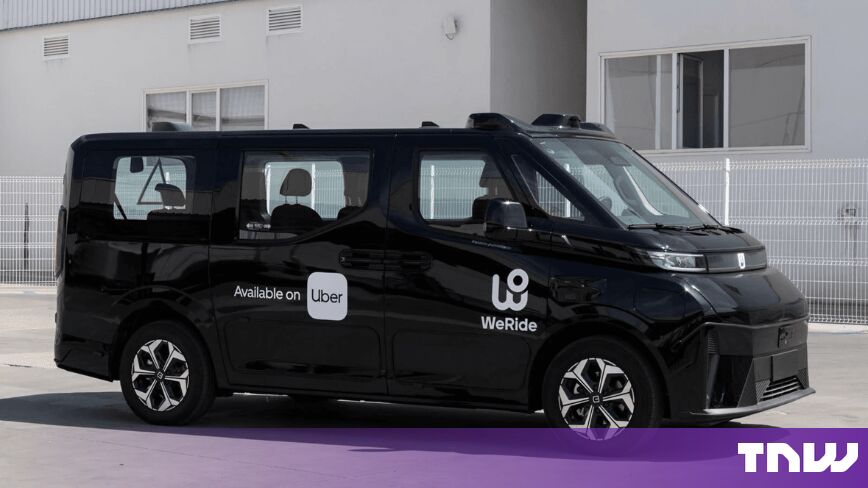
Citing figures from CNBC, Waymo currently maintains a fleet of over 4,000 driverless cars and completes upwards of 500,000 consumer trips each week, targeting a benchmark of one million weekly rides by the end of 2026. In its three newest cities, a company representative noted that operations will commence with dozens of vehicles before scaling up to hundreds over time. Waymo also utilizes Uber as a supplemental booking channel in select areas.
The expanding deployment incorporates Waymo's latest "Ojai" vehicles, built upon Zeekr's minivan platform. These models feature sliding power doors, three interior display screens, Alphabet's sixth-generation driverless system, and an infotainment setup integrated with Google's Gemini artificial intelligence.
Competitor Zoox is increasing its testing footprint to 12 U.S. urban areas with its additions in Texas and California. However, the Amazon unit currently charges for driverless rides only in Las Vegas, while offering unpaid rides to targeted users in San Francisco without a declared timeline for commercial launch. On Thursday, Tesla Chief Executive Elon Musk is slated to present revised plans for the electric automaker's Cybercab and ride-hailing venture.
The technical division between Waymo and Tesla has increasingly escalated into regulatory discussions. Waymo recently pushed back against camera-only navigation, pointing to its record of over 200 million autonomous miles driven and asserting that Level 4 self-driving requires complementary lidar, radar, and vision hardware. Regulatory concepts, such as a draft framework in New Jersey mandating redundant sensor suites, could favor multi-sensor architectures over vision-exclusive configurations.
Financial analysts expect substantial commercial expansion in the sector, with Goldman Sachs Research projecting the American robotaxi industry to grow from approximately $3 billion next year to $19 billion by 2030 and $48 billion by 2035. However, self-driving operators continue to face technical hurdles in heavy weather, construction zones, power outages, and complex traffic events, alongside scrutiny from labor organizations regarding driver displacement and calls from safety advocates for standardized performance metrics.
Sources
Written by
The Company Wire
Inside the companies building what’s next. Reporting on startups, technology, funding and the people shaping them.