XPRIZE Wildfire Concludes With Early Detection Milestones but No Grand Prize Winners
Teams deploying satellite AI models and drone swarms secured millions in category awards, but putting out test blazes within 10 minutes proved out of reach.
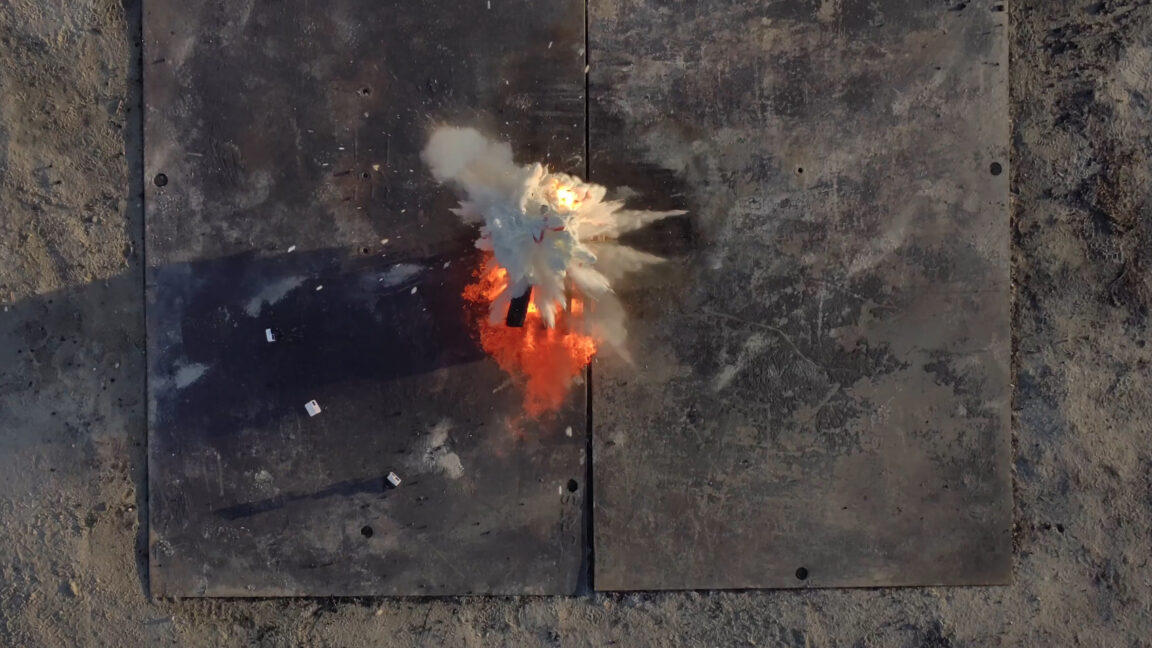
The $11 million XPRIZE Wildfire competition has concluded without awarding either of its two grand prizes, underscoring that while automated wildfire detection has accelerated to under 10 minutes, autonomous suppression within that same window remains an unsolved engineering challenge. The multi-year competition evaluated both satellite-based artificial intelligence tracking and autonomous drone swarms across challenging field environments.
The contest was organized into two tracks. The space-based detection track required teams to identify all fires across a broad section of Australia within 10 minutes of ignition. The autonomous response track challenged systems to locate and extinguish a high-risk blaze across a 386-square-mile zone in rural Alaska within 10 minutes while disregarding decoy fires. In an interview published by Ars Technica, XPRIZE Wildfire program director Andrea Santy noted that standard emergency 911 calls take an average of 15 minutes to register a fire, and stated that the prize seeks to deploy automated systems that keep emergency crews out of harm's way.
In the space track, finalists applied software and machine learning algorithms to existing commercial and public satellite feeds. While purpose-built wildfire monitoring constellations are beginning to launch—including German startup OroraTech's satellites in March 2025 and Google-backed FireSat microsatellites in July 2026—most orbital sensors were designed for broader weather or environmental tracking. During April 2026 trials hosted with the New South Wales Rural Fire Service in Australia, teams attempted to deliver usable intelligence to ground firefighters while filtering out false positives.
None of the space track entrants met the full benchmark to claim the $3.5 million grand prize funded by the Minderoo Foundation. However, the UK-based SIRIUS Wildfire Alliance won the $500,000 first-place prize for software that models wildfire growth using optical and radar data. Arizona's Team Snuffed took second place and $250,000 for an auditable, firefighter-oriented platform. Special recognition prizes of $100,000 each went to Florida-based MyRadar, Louisiana-based DeepFire, and Germany's Mayday.AI, which repurposed an algorithm originally built to track volcanic ash to see smoke through cloud cover.
The autonomous response track concluded its final testing in June 2026 near Nenana, Alaska. All three finalists located the target blaze in under 10 minutes across the 386-square-mile test site, and two deployed aircraft to the site. However, neither deployed sufficient fire suppressant to fully extinguish the blaze within the 10-minute window, leaving the grand prize unclaimed.
Defense tech manufacturer Anduril Industries earned first place and $1.2 million in the autonomous response category. Anduril combined thermal-imaging Sentry Towers and computer vision with drone surveillance and a Ghost-X drone that dropped fire-retardant spheres. Anduril also claimed an additional $1 million prize from Lockheed Martin for logging the fastest detection time. German environmental tech company Dryad Networks secured second place and $800,000 using 170 solar-powered ground gas sensors and a Silvaguard Suppression Drone. Third place and $500,000 went to AURA Foresight, an Anglo-Australian team that coordinated off-the-shelf DJI drones with custom software.
The results arrive after years of historic wildfire seasons globally, including the August 2023 Maui fire that killed at least 102 people, catastrophic smoke seasons across North America, and the January 2025 Los Angeles fire that destroyed nearly 12,000 homes, killed 31 people, and caused an estimated $140 billion in economic losses according to Nature Reviews Earth & Environment. Santy indicated that XPRIZE organizers are now working to help top-performing teams test and deploy their detection hardware and software with operational firefighting agencies.
Sources
Written by
The Company Wire
Inside the companies building what’s next. Reporting on startups, technology, funding and the people shaping them.