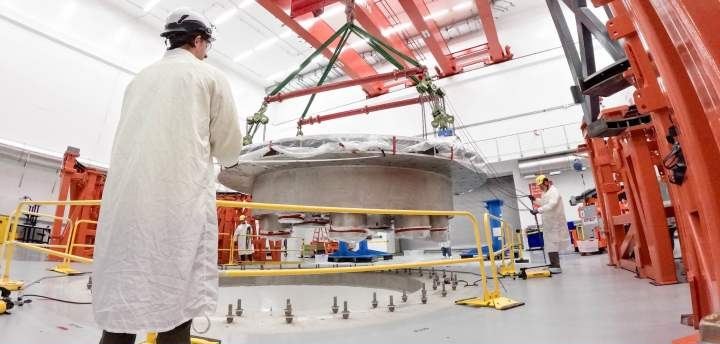
Commonwealth Fusion Systems Raises $1 Billion for Demonstration and Commercial Reactors
The financing brings total capital to $4 billion as the company works toward scientific breakeven in 2027.
Archive
The financing brings total capital to $4 billion as the company works toward scientific breakeven in 2027.
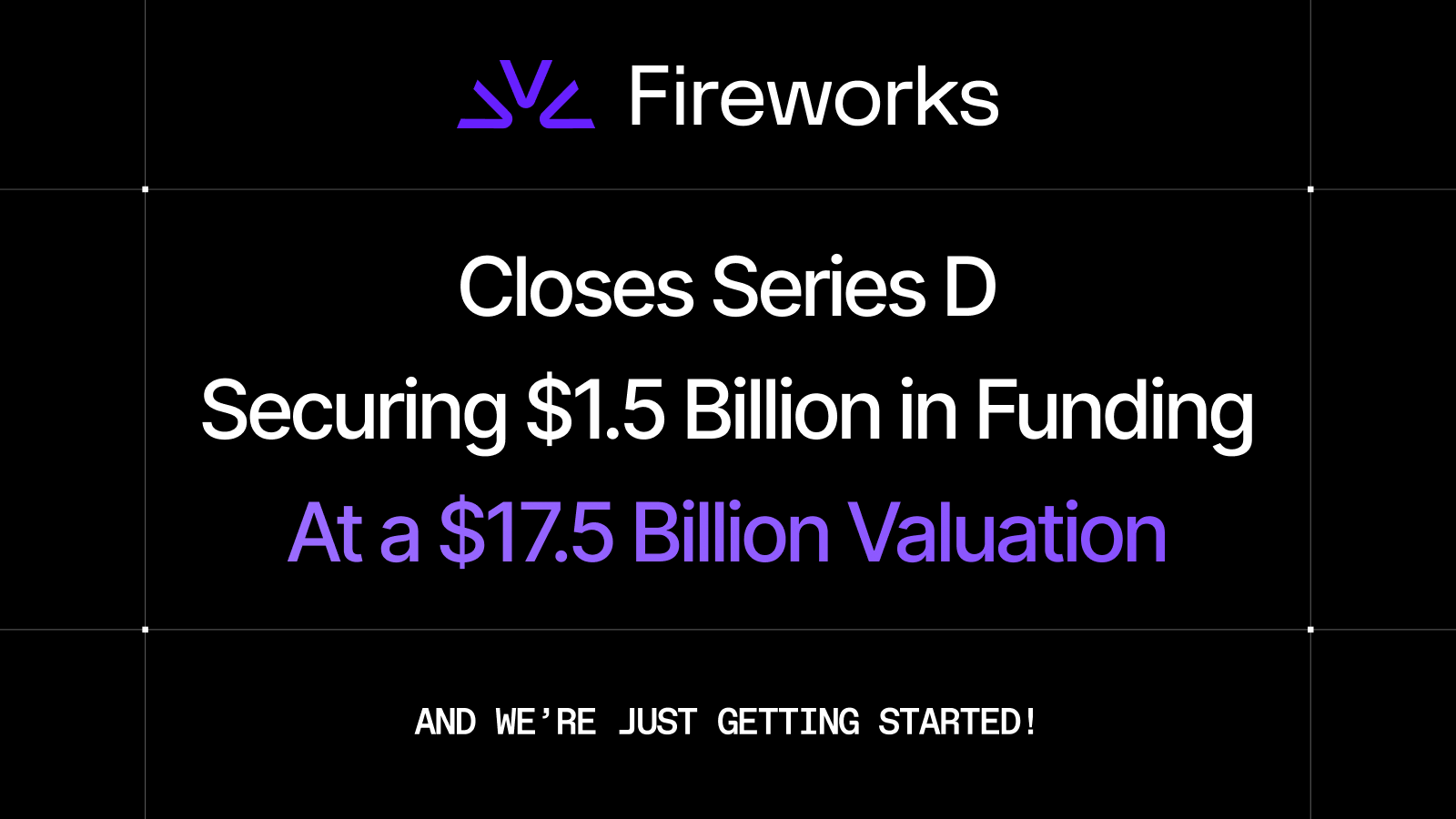
The model infrastructure company says annual recurring revenue has passed $1 billion as customers deploy more specialized AI systems.
The open-model infrastructure company plans to expand training and inference services as enterprises seek alternatives to closed AI platforms.
The San Francisco and Tokyo company is developing low-latency speech models for Japanese, Korean and Chinese applications.
The startup is creating its own crawler, index and retrieval models for software that asks longer questions and consumes structured results.
Two former Anthropic and Google researchers launched the company at a $1 billion valuation with backing from Andreessen Horowitz, Kleiner Perkins and Nvidia.
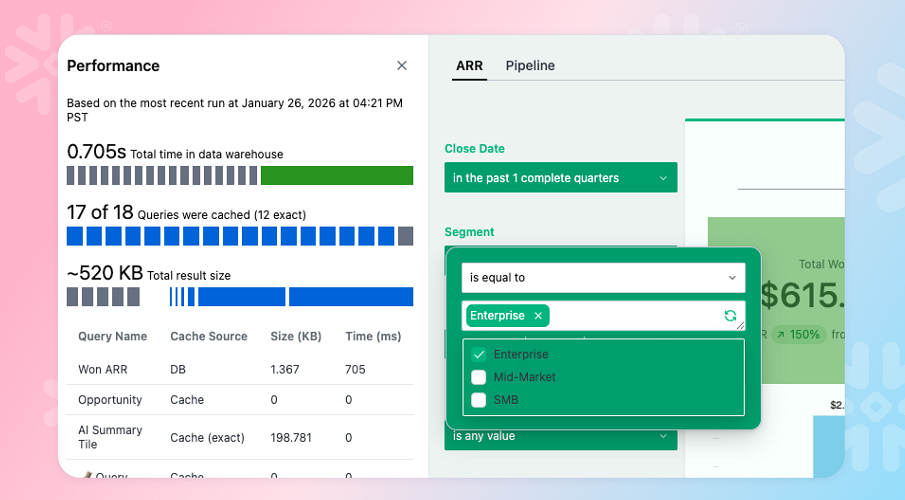
The marketing measurement company brought Google, Meta, Moloco and Unity into a strategic financing that values the business at $2.7 billion.
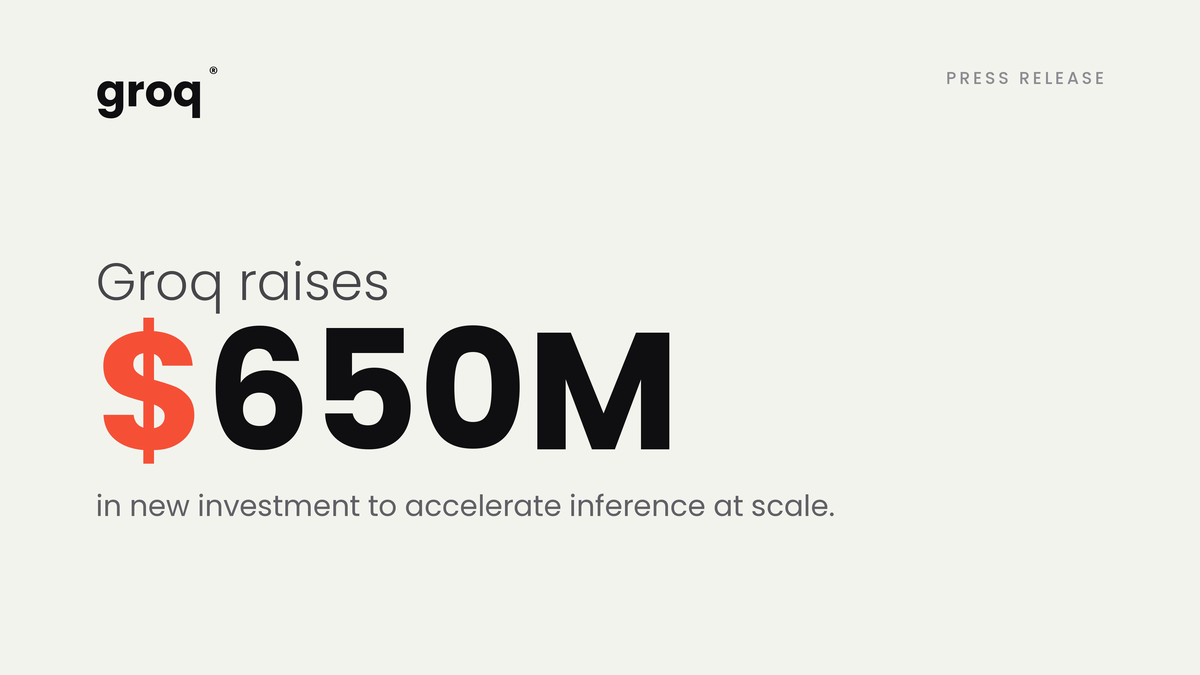
The chip company is rebuilding and scaling its cloud business after a major licensing and talent agreement with Nvidia.
The agentic workspace company added $100 million and appointed a chief revenue officer as it pursues larger business customers.
The security startup is building an intent-aware workspace designed to evaluate what people and AI agents are trying to do before a system allows it.
The startup is building validation software that checks model responses before errors reach users in high-precision workflows.
The open-source database platform is financing faster growth as AI agents generate more applications and infrastructure demand.
The Claude developer secured one of the largest private financings ever as demand for enterprise AI and computing capacity continues to climb.
The startup is building a network that records first-person human activity, bringing privacy, consent and worker pay into the robotics data race.
Brett Adcock's new lab reached a $6 billion post-money valuation before releasing its first products to the public.
Richard Socher's new laboratory is pursuing AI systems that can improve their own research process, backed at a reported $4.65 billion valuation.
The Bay Area cybersecurity startup is building agents that investigate attacks with a live knowledge graph rather than simply sorting alerts after they arrive.
The San Francisco startup wants to organize fragmented research and manufacturing data across semiconductors, batteries and advanced materials.
The customer-experience software company is valued above $15 billion as it races to make AI agents a standard interface for large brands.
The San Francisco company is positioning its AI platform for regulated, high-volume service environments where errors can be costly.
The six-person startup is training AI to learn digital tasks from video, with efficiency and safety becoming the key tests for its approach.
The company reached a $2 billion valuation as it expands tools that help automated systems search, retrieve and organize online information.
The San Francisco company reached a $1.5 billion valuation by combining chat, spreadsheets and code with a governed layer for company data.
The startup wants hardware makers to connect glasses, jewelry and home devices to models and multimodal services without building the entire stack.
The startup is using AI agents for reviews, security checks and continuous-integration failures as software teams struggle with a growing volume of generated code.
The San Mateo startup is teaching software to connect drawings, specifications and other building documents before missing details become costly field problems.
The San Francisco company pairs software agents with growth specialists as brands adjust to search results shaped by traditional engines and AI answers.
The financing gives the San Francisco AI company an extraordinary capital base, while placing equal pressure on revenue growth, infrastructure execution and product focus.
Former Atlassian CTO Sri Viswanath is building a control layer for companies that want autonomous agents without giving up security, governance or oversight.
The Mountain View startup is combining expert labor, evaluations and software infrastructure to improve AI systems after their initial training.
The startup combines AI agents with human media experts to turn sales conversations and customer data into targeted campaigns.
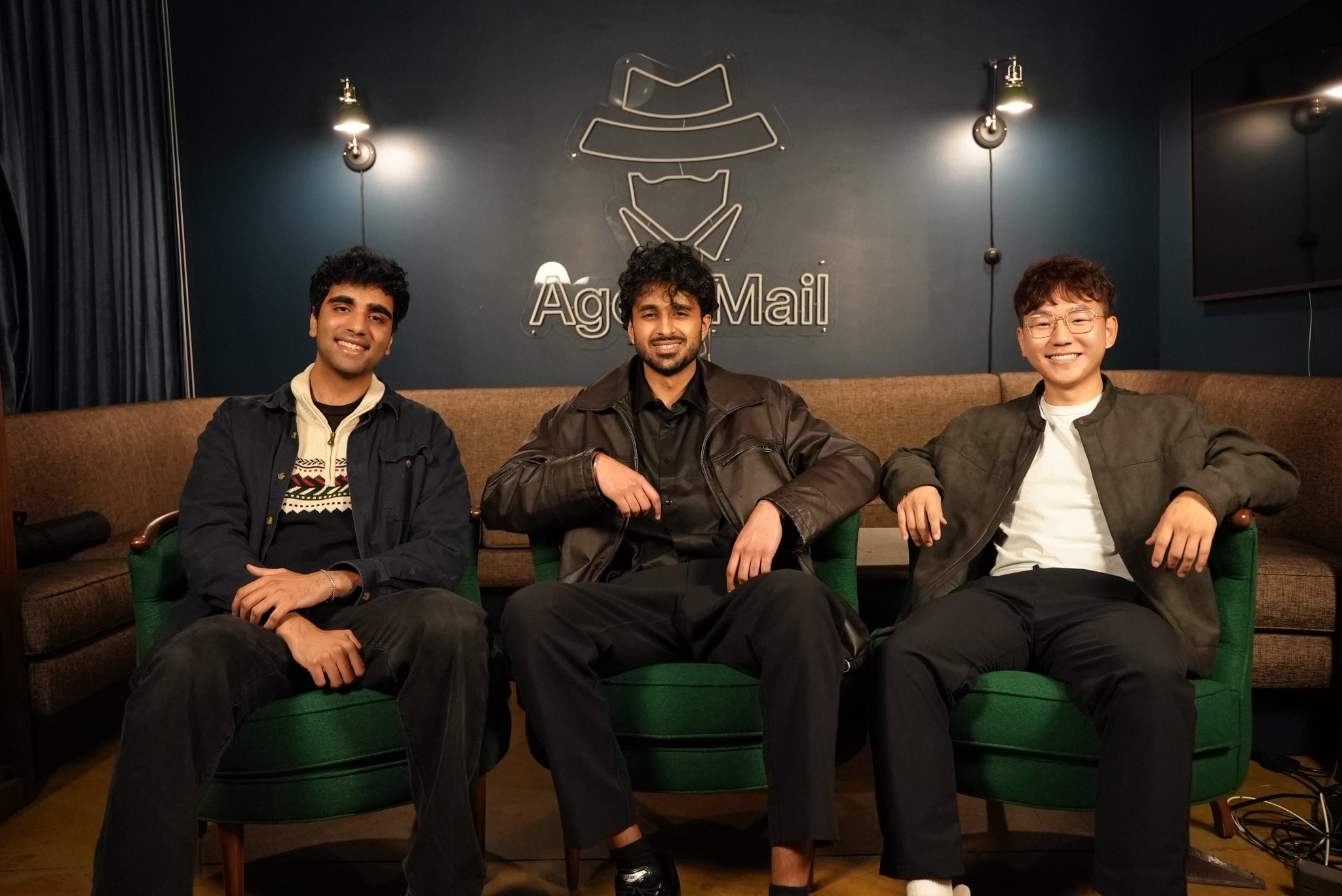
The San Francisco startup is treating email as basic infrastructure for autonomous software that needs identity, context and two-way communication.
The Y Combinator startup is making its streaming platform generally available as AI developers look for simpler ways to process live data.
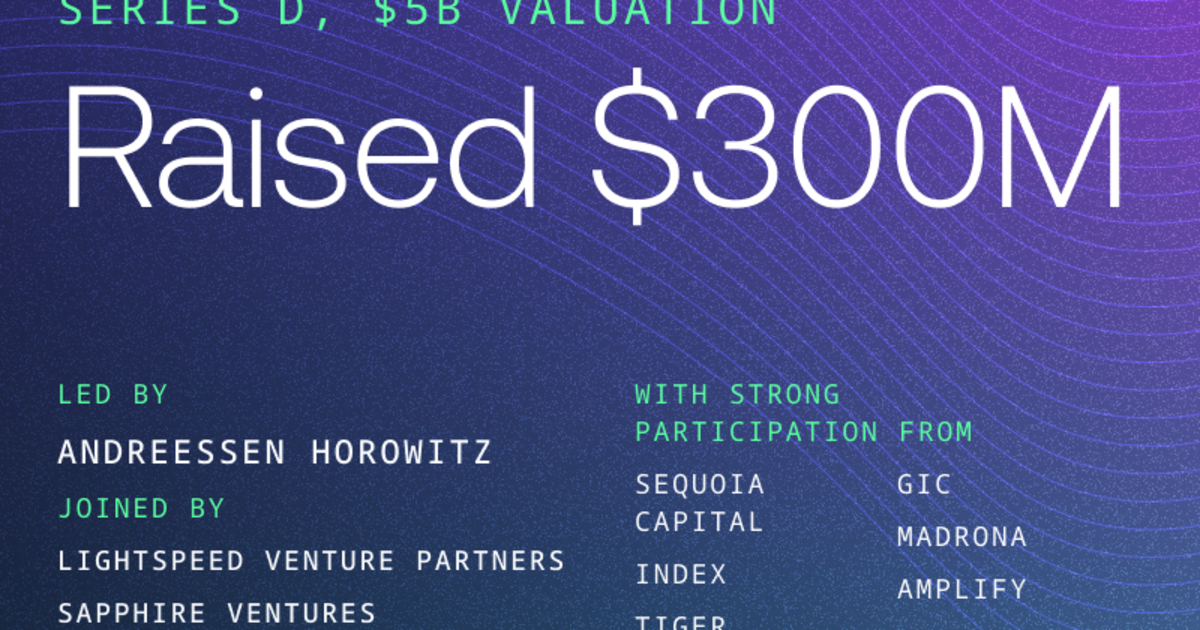
The durable-computing company reached a $5 billion valuation as enterprises look for infrastructure that can keep long-running AI work on track.
The Series C extension values the developer platform at $1.5 billion as more teams need persistent infrastructure for applications and agents.