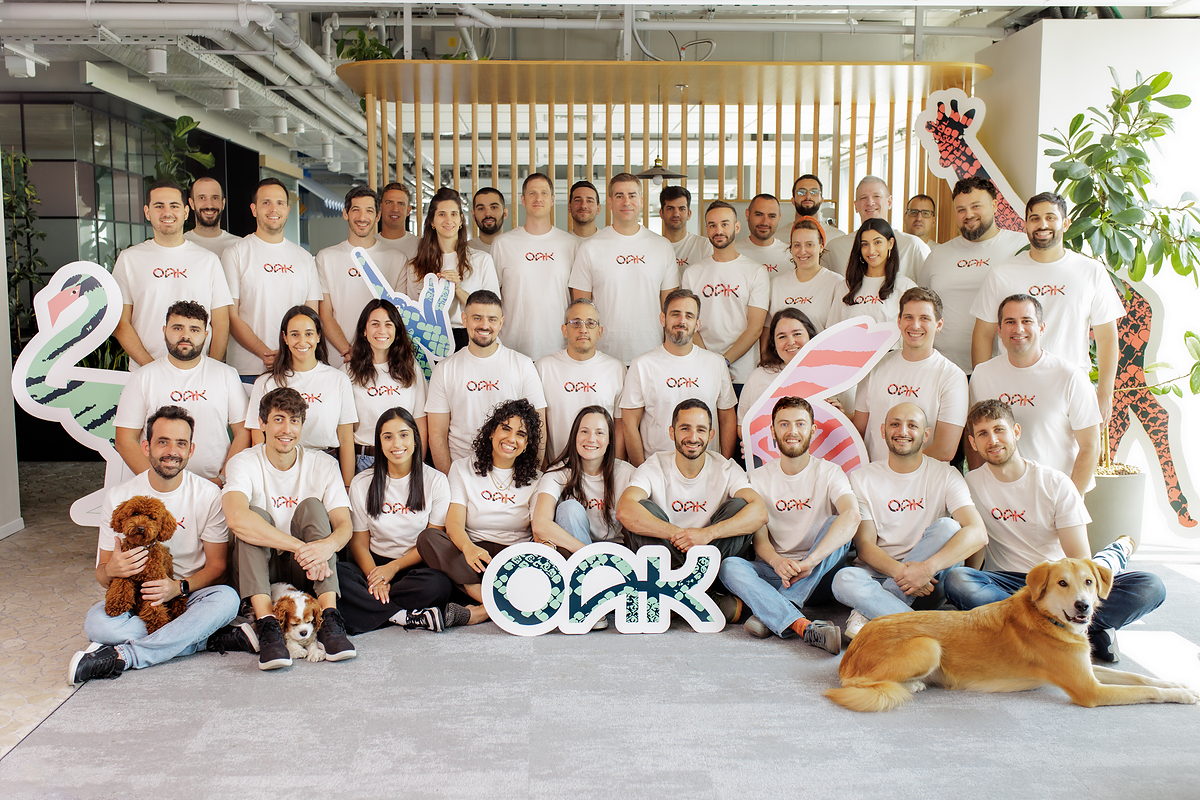
Glow Emerges From Stealth With $180 Million for Endpoint Security
The Palo Alto and Tel Aviv company reached a $1.2 billion valuation with a prevention-focused approach to securing devices used for AI work.
Archive
The Palo Alto and Tel Aviv company reached a $1.2 billion valuation with a prevention-focused approach to securing devices used for AI work.
The Tel Aviv and San Francisco startup wants one continuously updated graph for employees, software accounts, service identities and AI agents.
The AI testing company is moving beyond fixed benchmarks with models that generate changing environments for training and evaluation.
The San Francisco and Tel Aviv company wants security agents to find and help fix software risks throughout the development lifecycle.
The open-source database platform is financing faster growth as AI agents generate more applications and infrastructure demand.
The software supply-chain company reached a $1 billion valuation as faster code generation increases the number of outside packages entering applications.
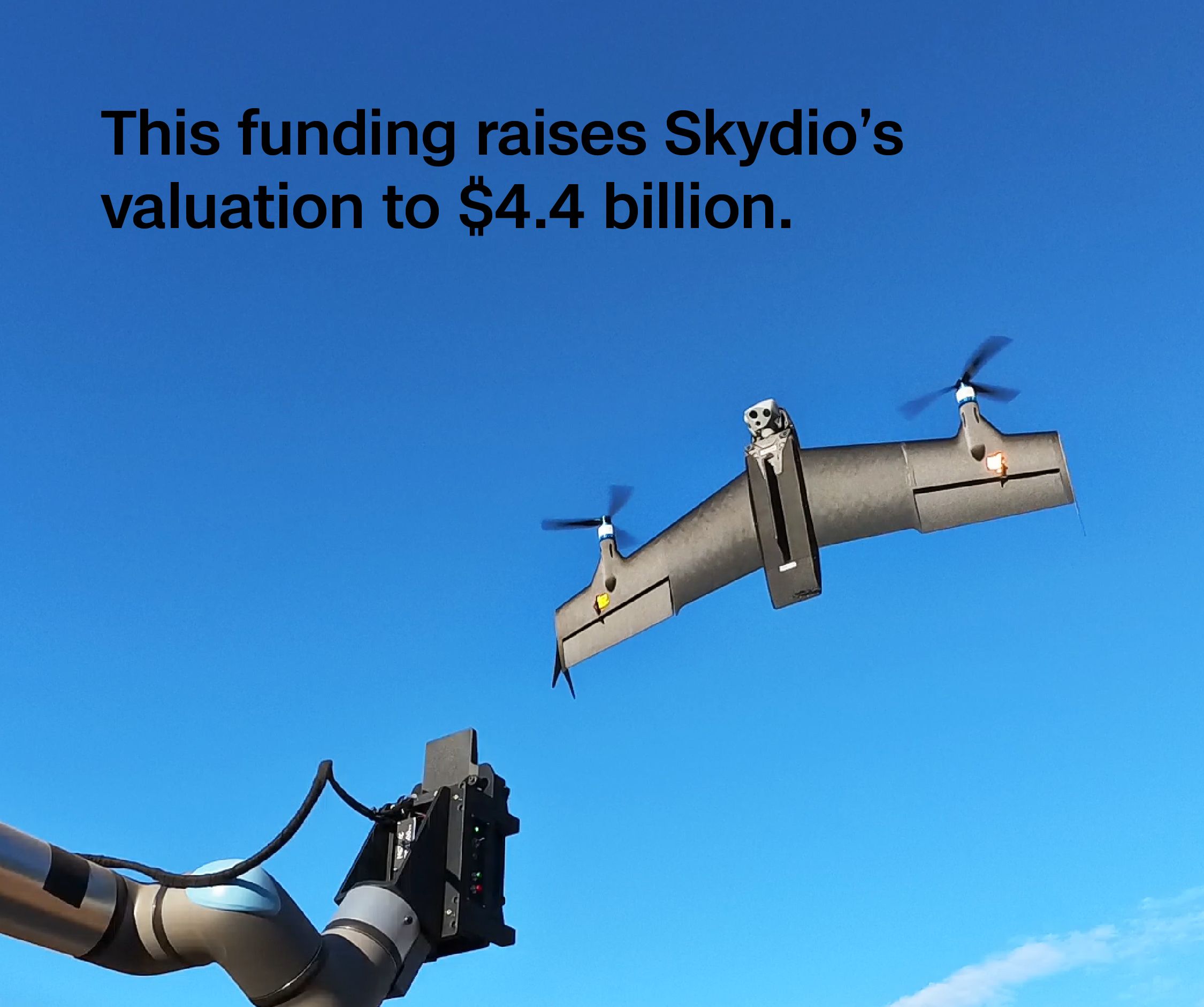
The autonomous drone maker reached a $4.4 billion valuation as it increases production for defense, public safety and infrastructure customers.
The startup is building software intended to let data-center networks adapt automatically to changing AI workloads.
The startup connects a visual design canvas directly to a product's codebase so teams can work from the same components and constraints.
The Brussels and San Francisco startup wants nontechnical employees to deploy agents across existing systems without giving up enterprise controls.
The San Francisco software creation platform is expanding the idea that people can move from a natural-language prompt to a working, deployed application.
The startup formerly known as mcp-use is turning an open-source toolkit into a managed platform for deploying the connectors used by AI applications.
The San Jose startup is developing agentic cybersecurity software meant to connect defenses across corporate networks and operational technology.
The Y Combinator company is targeting evidence collection and compliance work that still depends heavily on spreadsheets, tickets and manual review.
The observability startup reached an $800 million valuation as companies seek better ways to test and improve applications built on language models.