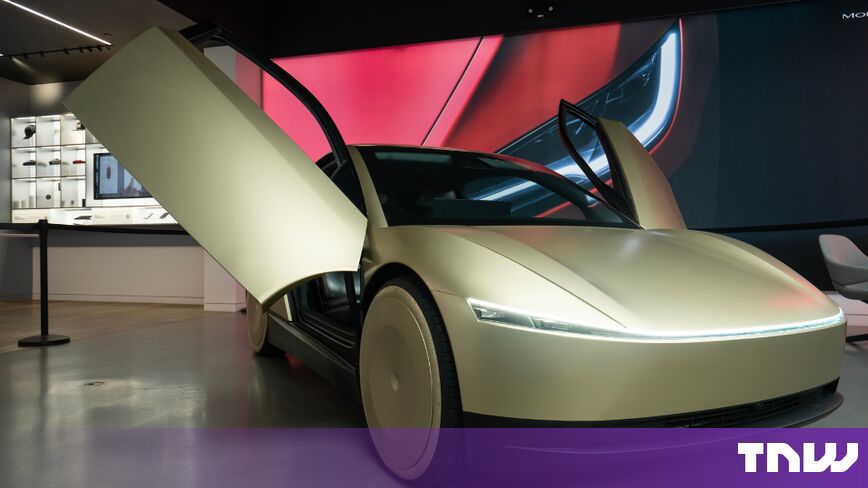
California Enacts SB 1246 Mandating Rapid Response Teams and Fines for Stalled Robotaxis
Governor Gavin Newsom signs rules requiring autonomous vehicle operators to station incident technicians locally and clear emergency blockages within 30 minutes by 2028.

California Governor Gavin Newsom has signed Senate Bill 1246 into law, creating a regulatory framework intended to reduce roadway disruptions caused by autonomous vehicles and establish accountability when robotaxis stall or impede emergency personnel.
Under the statute, autonomous vehicle operators such as Waymo, Tesla, and Zoox must supply local, on-the-ground support teams to handle operational failures. Companies face penalties if an autonomous vehicle blocks police or firefighters for longer than 30 minutes. The law mandates that remote operators be based in the United States holding valid domestic driver's licenses, and requires developers to employ local incident technicians to clear blockages. Operators must also notify municipal authorities regarding vehicle locations and status during system-wide outages. Administrative rules will be finalized by the California Department of Motor Vehicles before the law takes effect in July 2028.
The legislative update was reported in a mobility roundup by TechCrunch Startups (https://techcrunch.com/2026/10/04/techcrunch-mobility-reining-in-robotaxis/), which also highlighted major commercial contracts across electric and autonomous transport. Commercial EV manufacturer Harbinger secured a $300 million agreement to deliver 2,000 electric trucks to FedEx. In autonomous trucking, Kodiak agreed to haul freight for Ikea without in-cab safety drivers across a 219-mile corridor of Interstate 45 between Houston and Dallas starting later this year.
Capital activity spanned maritime and logistics tech. Maritime intelligence provider Quartermaster raised $140 million in Series B funding, comprising $100 million in equity from Insight Partners, Overmatch Ventures, and First Round Capital, alongside a $40 million debt facility from Stifel. Electric seaglider developer REGENT Craft expanded its U.S. Marine Corps Warfighting Lab collaboration to $19.25 million, Israeli travel startup HyperGuest raised $25 million from Apax Partners' AMI, and French fleet management platform Voltaback raised €2.8 million from Serena.
In the broader mobility sector, Lyft agreed to pay $272.5 million to settle pre-Proposition 22 driver misclassification claims in California. In manufacturing, Rivian maintained its 65,000 to 70,000 vehicle annual forecast following strong initial R2 SUV deliveries, despite issuing a recall for the model over high-voltage battery fasteners. Tesla delivered more than 480,000 vehicles in the third quarter and obtained $30 billion in new credit facilities to finance scaling efforts for its Cybercab and Optimus initiatives.
Sources
Written by
The Company Wire
Inside the companies building what’s next. Reporting on startups, technology, funding and the people shaping them.