GOP Committees Head to Supreme Court Seeking Mandated Discounts on Broadcast TV Election Ads
Republican campaign groups are mounting an emergency Supreme Court challenge after an appeals court struck down FCC guidance lowering broadcast ad rates for party committees.
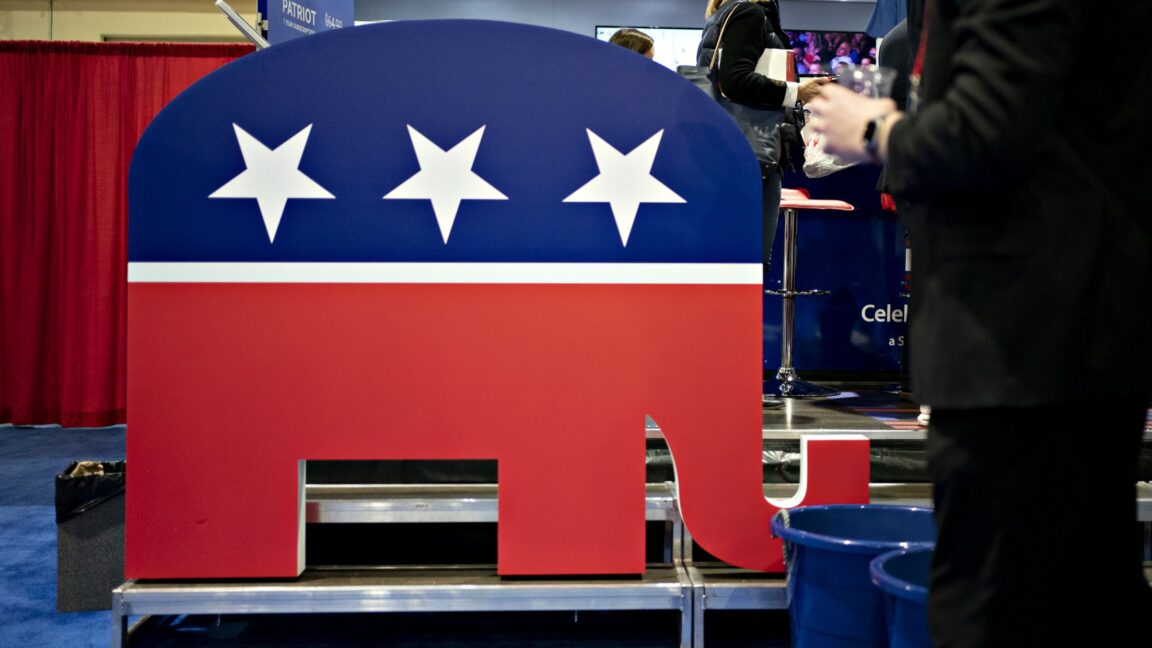
Republican campaign committees are taking a legal battle over broadcast television ad pricing to the U.S. Supreme Court, seeking a ruling that would force TV stations to offer discounted rates to political party organizations ahead of the upcoming election season. The move follows a decision by the U.S. Court of Appeals for the 4th Circuit, which invalidated Federal Communications Commission guidance that required broadcasters to lower ad prices for political parties and joint fundraising committees.
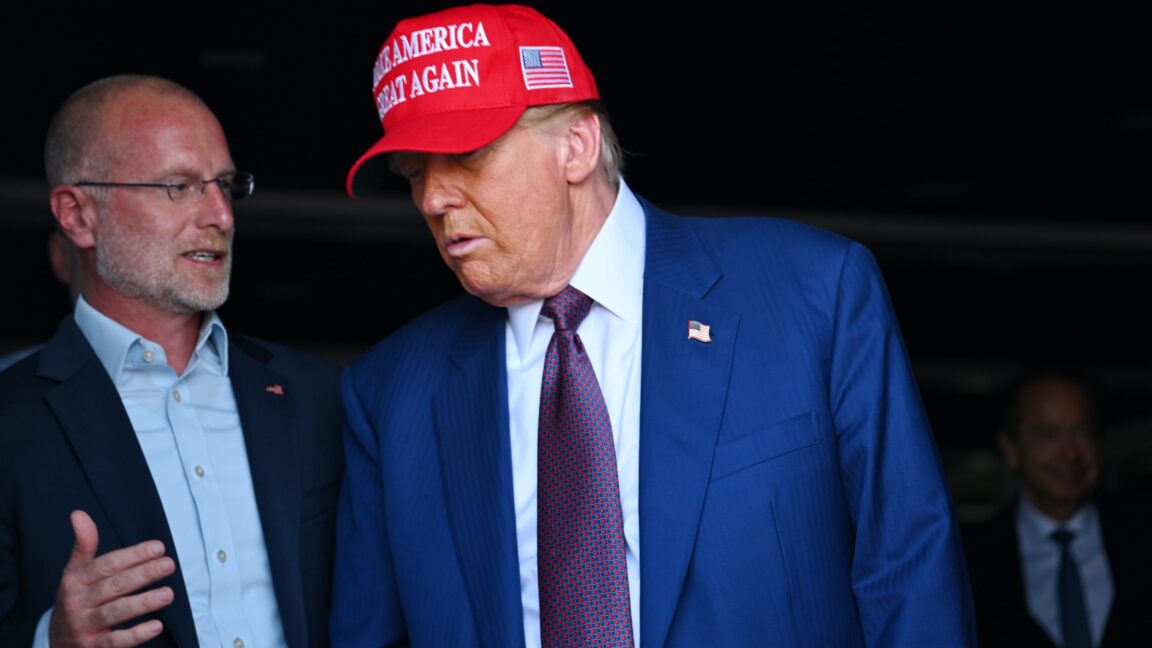
At the heart of the litigation is the federal requirement that broadcast television stations grant individual political candidates the lowest unit charge, or LUC, for commercial airtime during the 60-day window leading up to an election. For the upcoming election cycle, that discount period begins on Sept. 4. Under the Trump administration, the FCC issued an order directing stations to extend these mandatory commercial discounts to political parties and joint fundraising groups, which operate under fewer fundraising and spending limits than individual candidates.
Four Democratic political candidates filed a legal challenge against the FCC order, arguing that the agency exceeded its statutory authority. A three-judge panel on the 4th Circuit agreed, determining that the FCC guidance contradicted the plain wording of federal law, as first reported by Ars Technica. The National Republican Congressional Committee (NRCC) and the National Republican Senatorial Committee (NRSC) had formally intervened in the case to support the FCC's stance.
Seeking to secure reduced advertising rates before political ad purchasing accelerates, the Republican committees filed an emergency motion asking the 4th Circuit for an immediate stay to facilitate a swift petition to the Supreme Court. The committees stressed in court filings that candidates and campaign groups are actively negotiating and finalizing broadcast ad contracts for the coming weeks and require regulatory clarity. The 4th Circuit promptly denied the motion for a stay and issued its mandate, clearing the path for the GOP committees to petition the High Court directly.
The legal dispute hinges on how courts interpret language in federal communications law regarding the "use of any broadcasting station by any person who is a legally qualified candidate for any public office in connection with his campaign." Two 4th Circuit judges appointed by Democratic presidents ruled that this statutory language applies strictly to individual candidates rather than party committees buying ad space on their behalf. However, Reagan-appointed Circuit Judge J. Harvie Wilkinson III dissented, arguing that the FCC provided a "natural and plausible" reading of the statute. The FCC subsequently issued a statement endorsing Wilkinson's analysis.
The GOP committees also plan to argue before the Supreme Court that lower courts lacked jurisdiction to hear the case because the FCC has not issued a final decision on a pending candidate petition. While the 4th Circuit majority concluded that the FCC's failure to act constituted a "constructive denial" of the candidates' petition, Judge Wilkinson dissented on jurisdiction as well, maintaining the agency's review was ongoing. The Republican groups pointed to a recent Supreme Court decision instructing lower courts not to interfere with federal administrative proceedings before agency decisions are finalized.
The position taken by the FCC faces scrutiny over past precedent and economic impact. Opponents note that the agency's current posture contradicts both 1991 FCC guidance and filings made to the Supreme Court last year by U.S. Solicitor General John Sauer, who noted that rate discount rules apply to candidate spending rather than party spending. Meanwhile, Democratic FCC Commissioner Anna Gomez warned that forcing broadcasters to discount their most lucrative ad inventory depresses station revenues, directly undercutting stated agency goals to assist traditional broadcasters in competing against Big Tech firms and video streaming platforms.
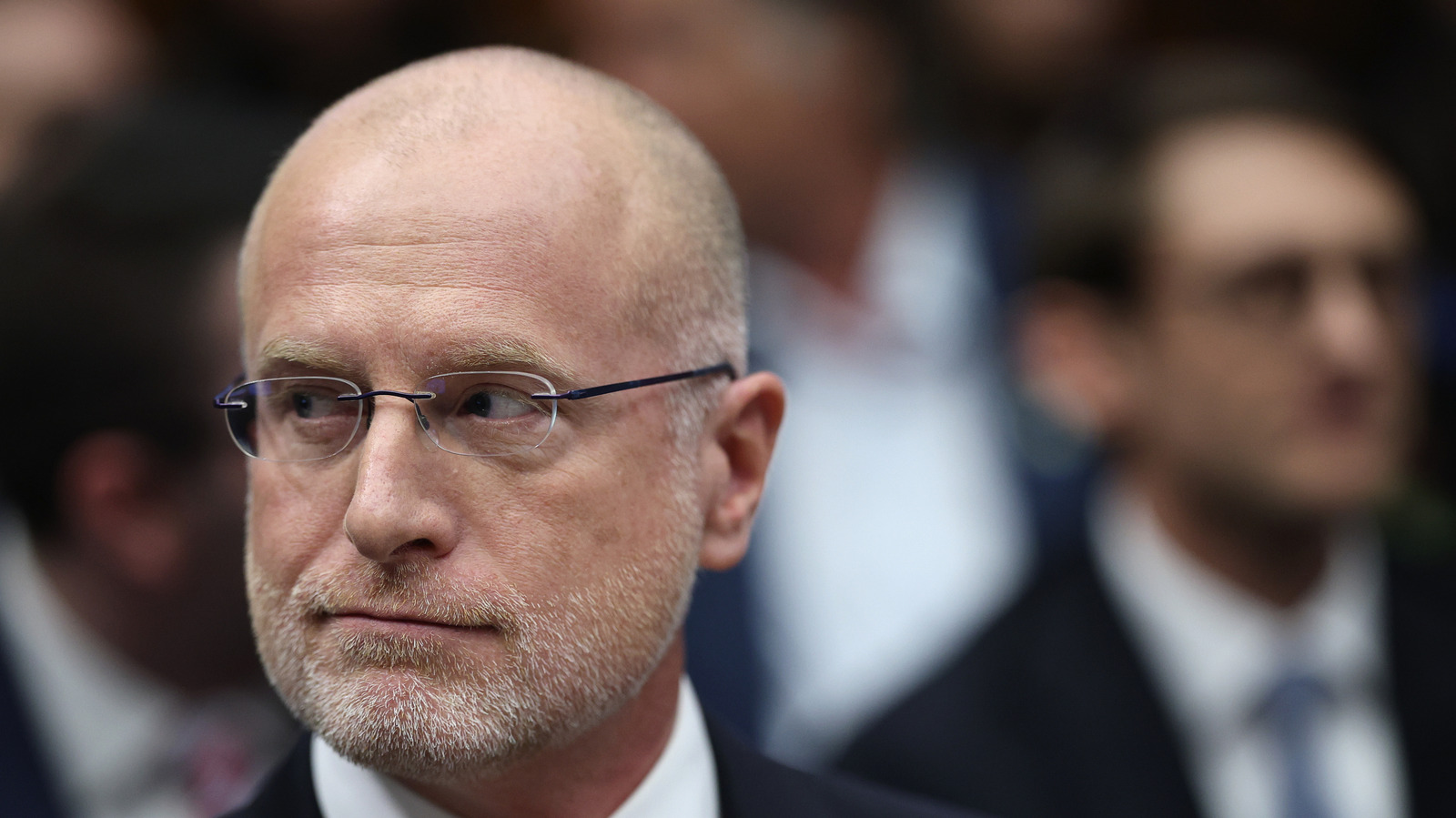
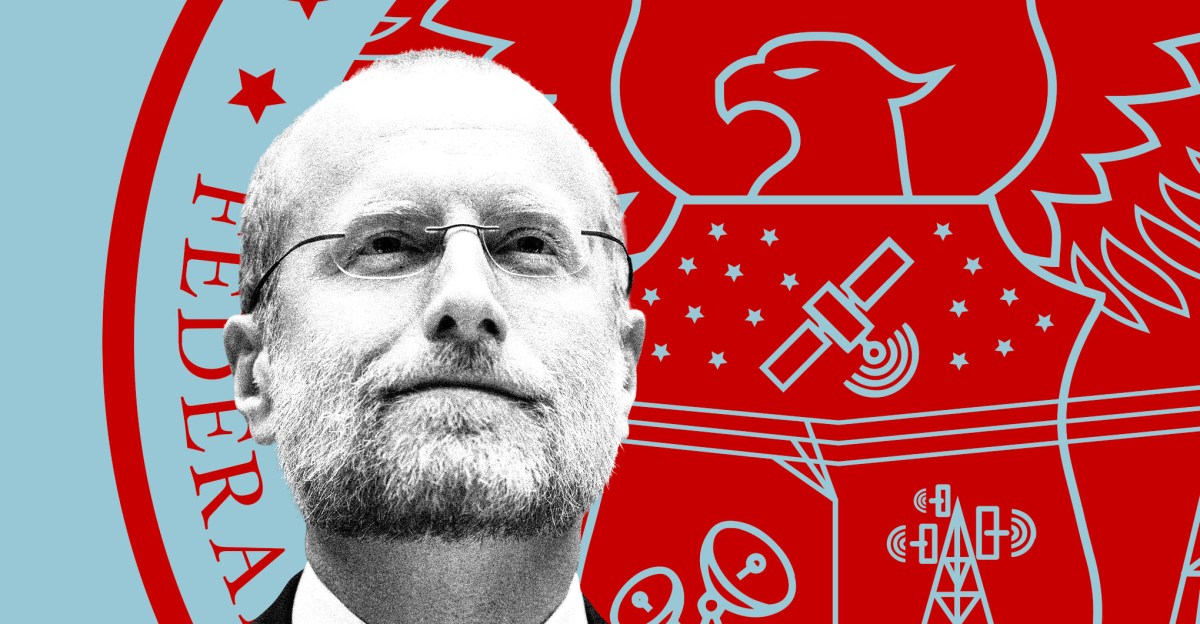
The clash over campaign ad rates comes amid broader regulatory shifts at the FCC under Chairman Brendan Carr. Carr recently spearheaded a vote to eliminate a long-standing federal rule prohibiting any single broadcast station owner from reaching more than 39 percent of U.S. television households. Although Congress codified that 39 percent cap in a 2004 statute, Carr argued the change was necessary to facilitate broadcast station mergers and enable local news investment, setting up additional legal challenges over the scope of the commission's executive authority.
Sources
Written by
The Company Wire
Inside the companies building what’s next. Reporting on startups, technology, funding and the people shaping them.