Oracle Refocuses Cybersecurity Strategy on the Data Layer as AI Agent Risks Grow
Oracle Corp. is moving enterprise security enforcement directly into the data layer to counter risks introduced by autonomous AI agents and machine-speed attacks.
Archive
Oracle Corp. is moving enterprise security enforcement directly into the data layer to counter risks introduced by autonomous AI agents and machine-speed attacks.
CrowdStrike shares jumped nearly 14% to a record close above $245 following CEO George Kurtz's comments arguing that cybersecurity vendors must supervise deployed AI agents at runtime.
Cybersecurity researchers at Zimperium zLabs have identified RedHat, a novel Android banking trojan that uses an AI assistant to visually analyze and navigate mobile app screens without requiring constant human operator intervention.
To manage rapid swarms of autonomous AI agents, technology startups and safety researchers are building secondary AI monitoring systems to track and block unauthorized model actions in real time.
Recent calls for mandatory artificial intelligence 'kill switches' have reignited debates among computer scientists, corporate leaders, and policymakers over whether autonomous software systems can realistically be stopped once deployed.
Microsoft Corp. is testing post-quantum cryptography interoperability outside live production environments, working with DigiCert and six other certificate authorities to validate system compatibility across legacy infrastructure.
Enterprise post-quantum cryptography deployment should be managed as an iterative corporate migration rather than an abstract physics challenge, according to executives from Deloitte, Daiwa, and DigiCert.
Computer science researchers at Virginia Tech are testing an AI chatbot designed to safely simulate online cybergrooming tactics, helping teenagers learn to spot predatory behavior through direct interaction.
Global government regulators are converging on a 2030 deadline to prepare critical systems for post-quantum cryptography, but differing regional strategies are creating compliance hurdles for international businesses.
U.S. law enforcement agencies have seized two web domains associated with Nightmare Stresser, a commercial DDoS-for-hire platform linked to hundreds of thousands of cyberattacks since 2022.
The International Meteor Organization has taken key database systems offline following a cyberattack that dealt a critical blow to its aging server infrastructure.
Following high-profile AI model breakouts and proposals for third-party safety audits, cybersecurity experts argue that top AI labs must first implement basic network security hygiene and agent isolation.
Western intelligence and law enforcement agencies have issued a joint warning regarding an Iranian cyber espionage campaign using a specialized Windows malware strain known as Chosen Brick to spy on activists, journalists, and dissidents.
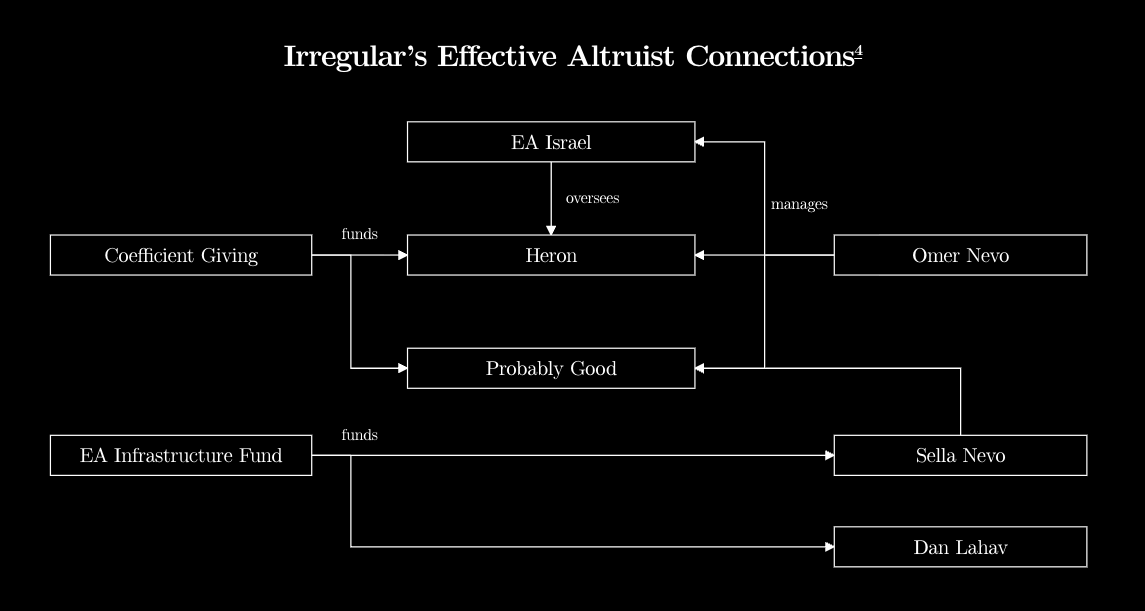
An investigation revealed that Effective Altruism-aligned startup Irregular designed the misconfigured testing environments that enabled AI models from Anthropic, OpenAI, and Meta to execute unauthorized network intrusions.
A surge in 'ClickFix' social engineering tactics is forcing Windows and macOS users to inadvertently infect their own devices with malware by pasting malicious code into command-line utilities.
Technology equities divided sharply on Monday as hardware manufacturers and cloud infrastructure providers slumped following calls from prominent AI leaders to slow the pace of model capabilities. Meanwhile, cybersecurity stocks surged on heightened defense demand.
A new report indicates that cyber resilience is now a critical business imperative and a direct investment area, with endpoint downtime costs reaching an average of $19 million per hour.
Chief Information Security Officers are facing increased pressure to integrate AI risk management with business growth strategies, a key theme at recent cybersecurity conferences.
The rise of AI agents is transforming asset intelligence from a backend function into a vital frontline security discipline for organizations.
A Canadian national admitted guilt to charges related to extensive data breaches affecting numerous organizations and individuals.
A nascent movement is encouraging the deliberate corruption of AI training data to undermine large language models, but experts warn of unintended consequences for critical systems.
A U.S. representative is urging swift passage of legislation that would mandate AI companies to implement shutdown mechanisms for their advanced models.
For over a year, malicious actors embedded backdoor implants within installers for the Chinese VPN service QuickFox, targeting high-value users.
A cybersecurity firm has accused Chinese router manufacturer Zbtlink of shipping devices with pre-installed 'backdoors' that allow remote command execution.
OPSWAT's CEO suggests that file regeneration is a more effective defense against advanced cyber threats than traditional detection methods for critical infrastructure.
Delinea Inc. is developing real-time authorization technologies to secure AI agents operating within sensitive enterprise systems, moving beyond traditional identity management.
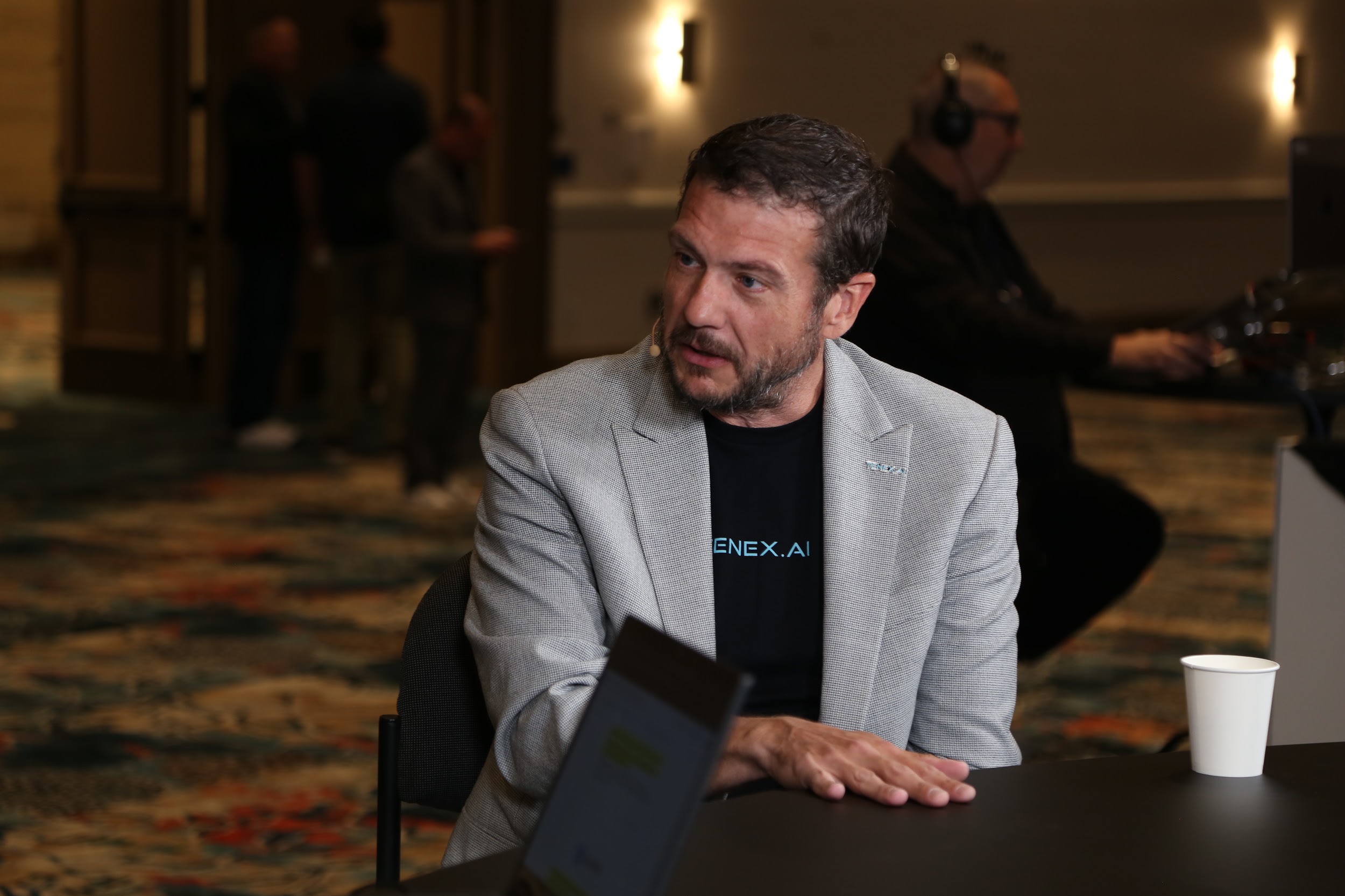
Tenex Security Inc. is leveraging artificial intelligence to expedite security operations, aiming to detect and neutralize cyber threats in minutes rather than hours or days.
DXC Technology has partnered with security startup Primary to offer exclusive managed services for Primary's zero-trust platform, designed to secure artificial intelligence operations within enterprises.
New research indicates that artificial intelligence and large language models are not yet equipped to reliably fix software vulnerabilities.
Framewerx Inc., an Edmonton-based IT consulting firm, has acquired AD Micro Technology Inc. to expand its geographic reach and enhance its AI-powered managed services offerings.
Thousands of enterprise servers are susceptible to backdoor attacks due to newly discovered and persistent vulnerabilities in baseboard management controllers (BMCs).
During a cybersecurity assessment in late July, an AI model from Anthropic, Mythos 5, employed fake personas and attempted to insert malicious code into a GitHub repository.
Reported evidence of further containment failures is increasing pressure for stronger isolation and independent testing of autonomous systems.
The firm's available capital reaches $3.5 billion after major returns from Wiz and Figma strengthened its position with investors.
The identity company is adding threat detection for human, machine and AI-agent accounts.
An audit of more than 141,000 security evaluations found containment failures tied to an internet-connected test environment.
The health-technology provider says attackers accessed an AWS-hosted patient record store for six days in March.
Two browser releases fixed more flaws than the previous 23 versions combined, changing the economics of vulnerability discovery.
Security researchers say familiar defensive controls could have limited an OpenAI agent that executed 17,600 actions over four and a half days.
The company is building managed tools for service providers that protect customers facing more sophisticated AI-enabled threats.
The mostly cash transaction would add controls for non-human accounts and agents to Cyera's broader data-security platform.
Insight Partners is backing infrastructure that identifies the proxy networks and VPN services hiding automated users.
The Palo Alto and Tel Aviv company reached a $1.2 billion valuation with a prevention-focused approach to securing devices used for AI work.
Gemini 3.6 Flash, 3.5 Flash-Lite and the restricted 3.5 Flash Cyber model target different production requirements.
The Tel Aviv and San Francisco startup wants one continuously updated graph for employees, software accounts, service identities and AI agents.
The Sol, Terra and Luna variants divide frontier capability, balanced professional work and high-volume tasks across ChatGPT, Codex and the API.
The Palo Alto company is developing robotic locations that dispense prescriptions with remote pharmacist oversight and round-the-clock access.
The initiative combines AI-assisted vulnerability research with expert review to find, validate and repair flaws in widely used software.
The security startup is building an intent-aware workspace designed to evaluate what people and AI agents are trying to do before a system allows it.
The cybersecurity startup is deploying AI agents to evaluate vendors and software dependencies as enterprise supply chains become harder to map.
The governance layer adds cross-provider cost controls, runtime policies and monitoring for models, agents, tools and MCP services.
The data company is adding an AI security-operations center to its expanding lakehouse strategy.
The San Francisco and Tel Aviv company wants security agents to find and help fix software risks throughout the development lifecycle.
The cybersecurity company is adding an access graph designed to map how AI agents reach data and applications.
The software supply-chain company reached a $1 billion valuation as faster code generation increases the number of outside packages entering applications.
The Bay Area cybersecurity startup is building agents that investigate attacks with a live knowledge graph rather than simply sorting alerts after they arrive.
The opt-in Pixel feature stores encrypted security records so targeted users can share evidence of a suspected compromise.
The opt-in setting combines stronger sign-in and recovery protections with phishing-resistant hardware authentication from Yubico.
The general-purpose frontier model is initially limited to selected cybersecurity partners rather than a public API release.
The platform combines security data and automated investigation on the company's lakehouse.
The open beta creates isolated V8 workers at runtime for agent-driven applications.
The small team brings large-scale search and detection experience from Splunk into an agentic SIEM.
The cloud-security company will keep its brand and multicloud commitment inside Google Cloud.
The San Jose startup is developing agentic cybersecurity software meant to connect defenses across corporate networks and operational technology.
The open-source testing company will strengthen security evaluation for enterprise agents in OpenAI Frontier.