Fal Raises $1.3B at $16B Valuation as Inference Demand Surges
AI inference provider Fal has raised $1.3 billion in a funding round led by Bessemer Venture Partners, valuing the company at $16 billion as it races to expand server capacity.
Archive
AI inference provider Fal has raised $1.3 billion in a funding round led by Bessemer Venture Partners, valuing the company at $16 billion as it races to expand server capacity.
AI inference provider Fal has raised $1.3 billion in a Series F round led by Bessemer Venture Partners, doubling its valuation to $16 billion as annualized revenue crossed $800 million.
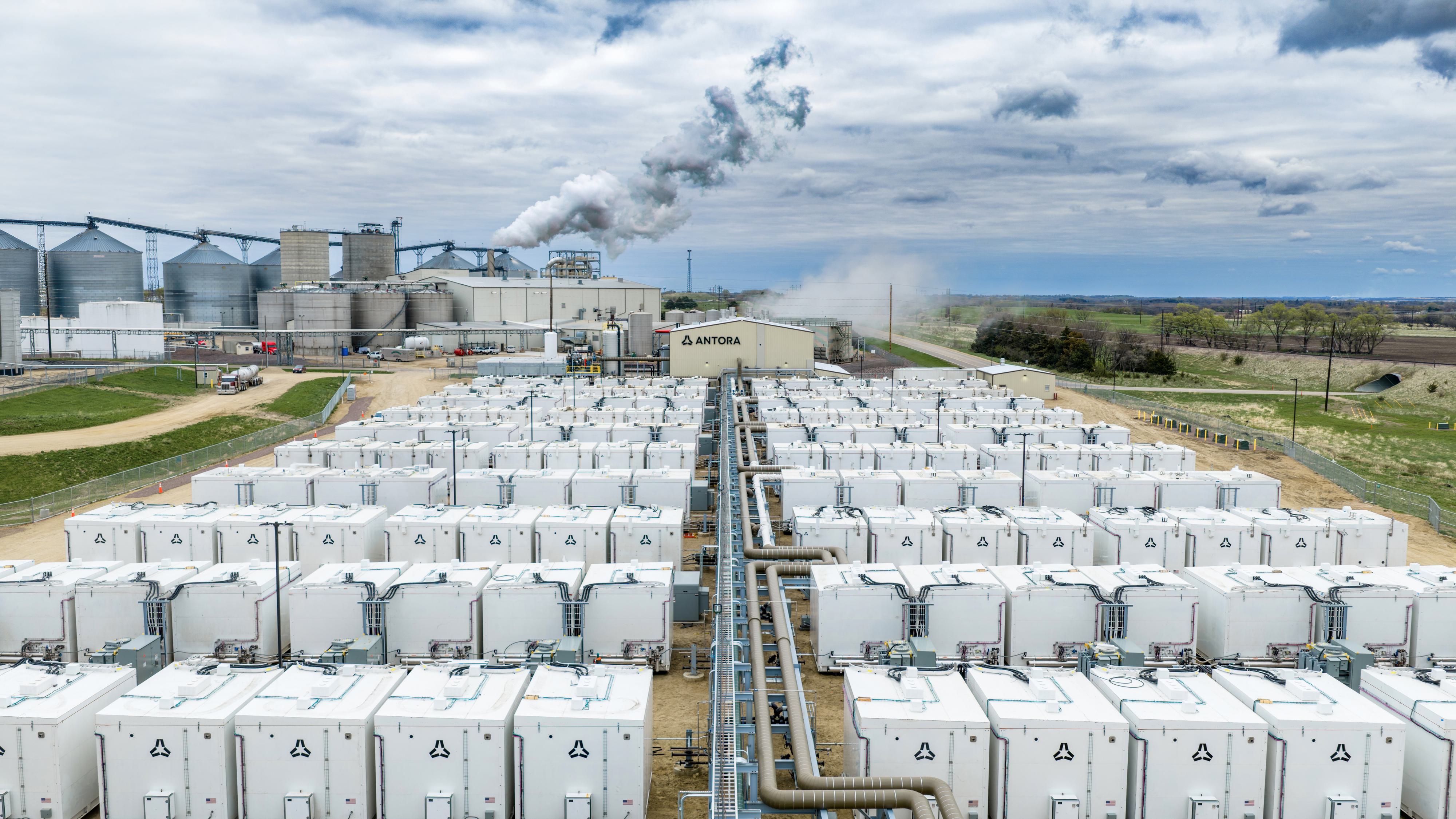
The industrial energy company plans to manufacture more systems that store renewable electricity as high-temperature heat and dispatchable power.
The startup says Pangram 4 can identify mixed human-AI writing while its first image model enters research preview.
Insight Partners is backing infrastructure that identifies the proxy networks and VPN services hiding automated users.
The Palo Alto and Tel Aviv company reached a $1.2 billion valuation with a prevention-focused approach to securing devices used for AI work.
The M13-led Series A backs a speech company betting that how a machine sounds decides whether a caller stays on the line.
The business finance platform reached a reported valuation near $1.2 billion and launched a global product using stablecoin payment rails.
The savings platform is expanding a membership that combines travel deals, cash back and financial tools for cost-conscious consumers.
The open-model infrastructure company plans to expand training and inference services as enterprises seek alternatives to closed AI platforms.
The profitable software company plans to expand tools that help banks and governments investigate financial crime and third-party risk.
Two former Anthropic and Google researchers launched the company at a $1 billion valuation with backing from Andreessen Horowitz, Kleiner Perkins and Nvidia.
The Stanford-founded startup plans to ship a wellness wristband that infers hormone patterns without blood draws while it pursues clinical validation.
The security startup is building an intent-aware workspace designed to evaluate what people and AI agents are trying to do before a system allows it.
The startup is building validation software that checks model responses before errors reach users in high-precision workflows.
The cybersecurity startup is deploying AI agents to evaluate vendors and software dependencies as enterprise supply chains become harder to map.
The San Francisco and Tel Aviv company wants security agents to find and help fix software risks throughout the development lifecycle.
The Claude developer secured one of the largest private financings ever as demand for enterprise AI and computing capacity continues to climb.
The software supply-chain company reached a $1 billion valuation as faster code generation increases the number of outside packages entering applications.
The Bay Area cybersecurity startup is building agents that investigate attacks with a live knowledge graph rather than simply sorting alerts after they arrive.
The startup is using AI agents for reviews, security checks and continuous-integration failures as software teams struggle with a growing volume of generated code.
The Redwood City company will scale access to an FDA-cleared prescription belt designed for people with low bone density.
The San Francisco company pairs software agents with growth specialists as brands adjust to search results shaped by traditional engines and AI answers.
The financing gives the San Francisco AI company an extraordinary capital base, while placing equal pressure on revenue growth, infrastructure execution and product focus.
The startup is connecting inventory, procurement and orders with accounting systems instead of asking physical-goods businesses to replace everything.
The Mountain View robotics company reached a $1.15 billion valuation with a plan to begin real household deployments in the fall.
Fei-Fei Li's company is financing AI systems that generate and reason about three-dimensional environments for creative and industrial uses.
The Stanford-rooted startup wants digital populations to help organizations test decisions before they affect customers, workers or markets.