Polar Raises $5.7 Million for an AI Browser Focused on Knowledge Work
The startup lets users schedule workflows and assign agents to tasks based on open tabs rather than targeting occasional consumer bookings.
Archive
The startup lets users schedule workflows and assign agents to tasks based on open tabs rather than targeting occasional consumer bookings.
The young fintech company wants autonomous software to pay vendors while businesses retain policy controls and an auditable record.
The Tel Aviv and San Francisco startup wants one continuously updated graph for employees, software accounts, service identities and AI agents.
The Kubernetes management company added Goldman Sachs and strategic investors as businesses move AI systems from pilots into production.
Accel led the Series A for a company automating the pay applications, lien waivers and job-cost work that still runs on paper and email.
The Stanford-founded startup plans to ship a wellness wristband that infers hormone patterns without blood draws while it pursues clinical validation.
The startup wants agents to own recurring business outcomes across existing applications instead of stopping after a single generated response.
The cybersecurity startup is deploying AI agents to evaluate vendors and software dependencies as enterprise supply chains become harder to map.
The open-source database platform is financing faster growth as AI agents generate more applications and infrastructure demand.
The San Francisco startup reached a $2.2 billion valuation by selling web search and content retrieval directly to software developers.
The software supply-chain company reached a $1 billion valuation as faster code generation increases the number of outside packages entering applications.
The San Francisco startup wants to turn logs, tool calls and user interactions into a continuous feedback system for agent developers.
The San Francisco startup is trying to replace disconnected sales tools with a system that carries context from prospecting through a closed deal.
The finance software startup is expanding AI agents that handle invoicing, reconciliation, collections and other repetitive cash workflows.
The six-person startup is training AI to learn digital tasks from video, with efficiency and safety becoming the key tests for its approach.
The company reached a $2 billion valuation as it expands tools that help automated systems search, retrieve and organize online information.
The startup wants hardware makers to connect glasses, jewelry and home devices to models and multimodal services without building the entire stack.
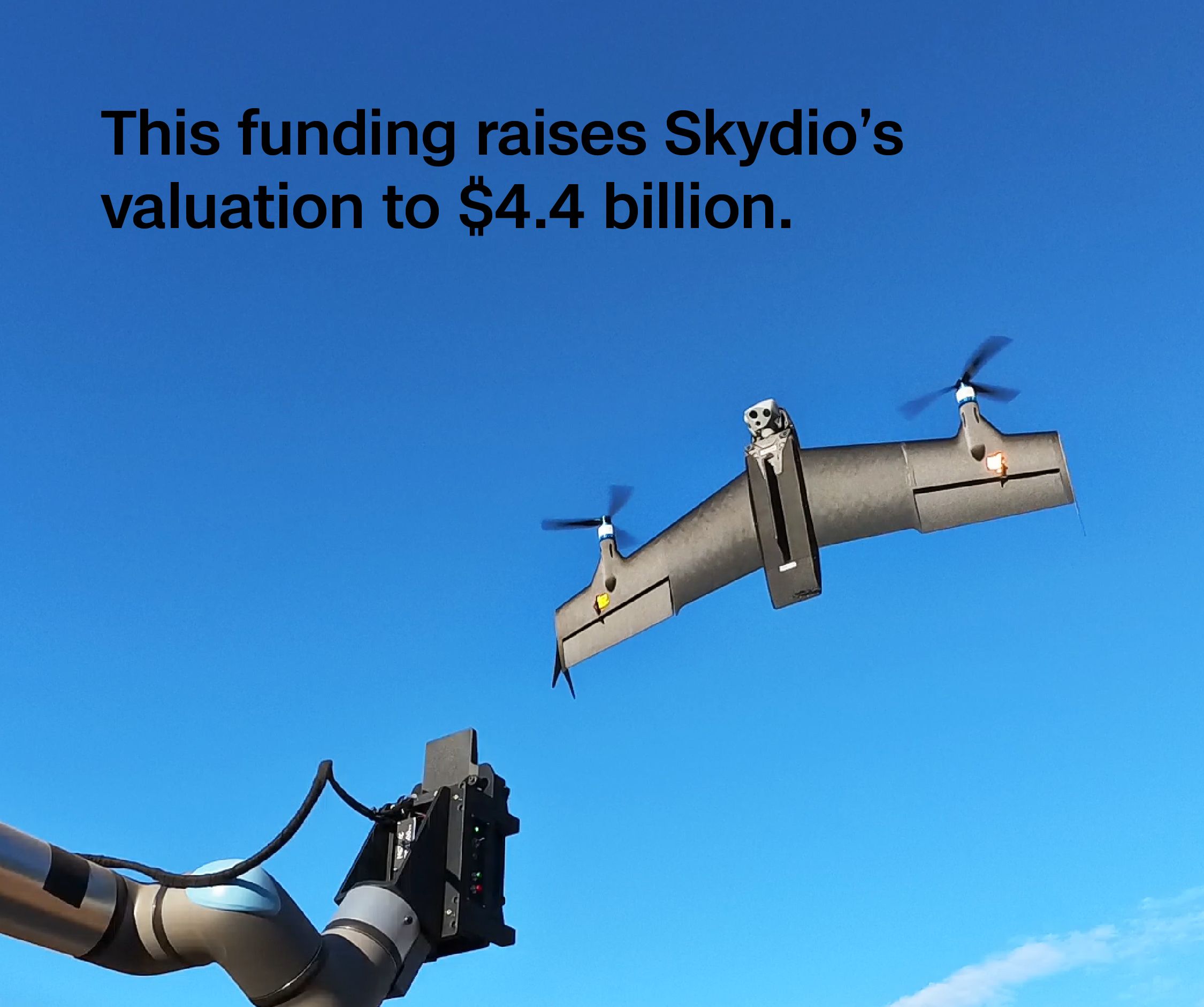
The autonomous drone maker reached a $4.4 billion valuation as it increases production for defense, public safety and infrastructure customers.
The new research lab wants software agents to build specialized expertise from experience instead of remaining fixed after training.
The company is assembling distributed GPU capacity into a platform that lets developers choose models, hardware and deployment locations.
The Barcelona and San Francisco company is building a governed graph that lets employees, software and agents work from the same organizational knowledge.
The San Francisco company pairs software agents with growth specialists as brands adjust to search results shaped by traditional engines and AI answers.
The financing gives the San Francisco AI company an extraordinary capital base, while placing equal pressure on revenue growth, infrastructure execution and product focus.
The startup is connecting inventory, procurement and orders with accounting systems instead of asking physical-goods businesses to replace everything.
The startup is building an AI memory that reads on-screen text, prepares meeting notes and retrieves information from a user's daily work.
The startup wants employees to direct business software through natural language while agents work across data and applications.
The San Jose startup is developing agentic cybersecurity software meant to connect defenses across corporate networks and operational technology.
The Y Combinator startup is making its streaming platform generally available as AI developers look for simpler ways to process live data.
The observability startup reached an $800 million valuation as companies seek better ways to test and improve applications built on language models.
The Mission Bay startup is building laboratory systems that use living neurons for AI workloads, an ambitious alternative to conventional silicon.
Alphabet's robotaxi company is financing a major expansion as autonomous ride-hailing moves from limited deployments toward a broader transportation network.