NEC Halts Quantum Hardware Research After Nearly Three Decades
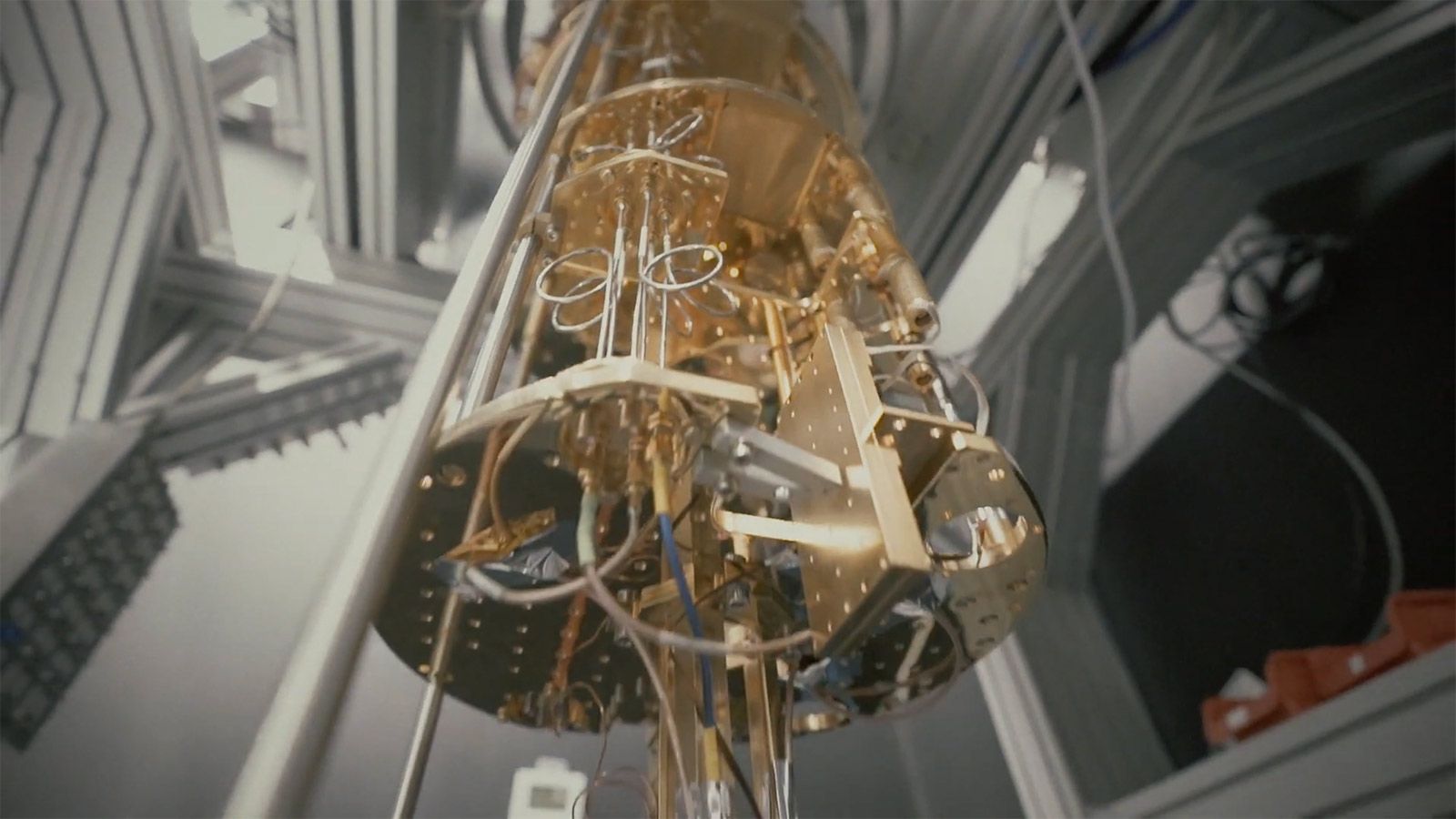
NEC has ended its physical quantum computer hardware development after nearly 30 years, pivoting toward software applications while engineers transfer to rival Fujitsu.
Archive
NEC has ended its physical quantum computer hardware development after nearly 30 years, pivoting toward software applications while engineers transfer to rival Fujitsu.
A federal judge in California has thrown out two class-action privacy lawsuits targeting LinkedIn's practices of detecting browser extensions, ruling that the plaintiffs failed to prove any actual data violations.
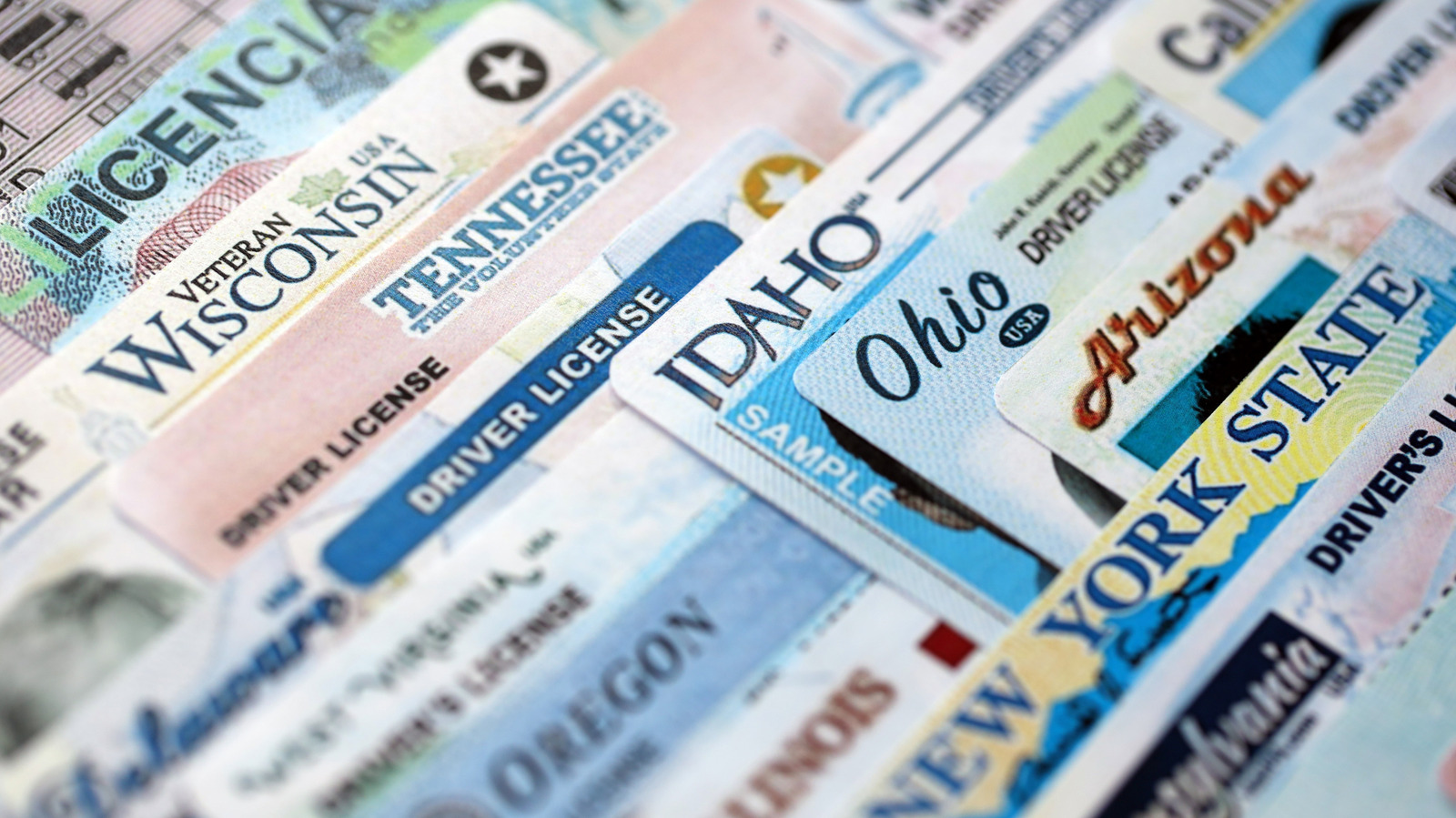
Identity verification platform IDScan.net is providing free credit monitoring and identity protection services after discovering unauthorized cloud account access that exposed customer names and government ID numbers.
Three tech organizations across three continents have completed successful field tests of satellite-independent navigation tools, signaling progress for quantum sensing alternatives as global GPS jamming rises.
Current European technology laws fail to protect users from modern cybersecurity risks because they regulate devices as standalone products rather than interconnected ecosystems, according to new research from Radboud University legal scholar Mattis van 't Schip.
The U.S. military confirmed that an unmanned underwater vehicle seized by Iranian forces in the Strait of Hormuz had suffered a malfunction and carried no classified sonar or radar hardware. Iranian media identified the vessel as a Dive-LD autonomous submarine built by defense contractor Anduril.
Academic researchers have revealed GPUThor, a new hardware vulnerability targeting Nvidia Ampere workstation GPUs that bypasses Error-Correcting Code protections and enables root access from unprivileged CUDA programs.
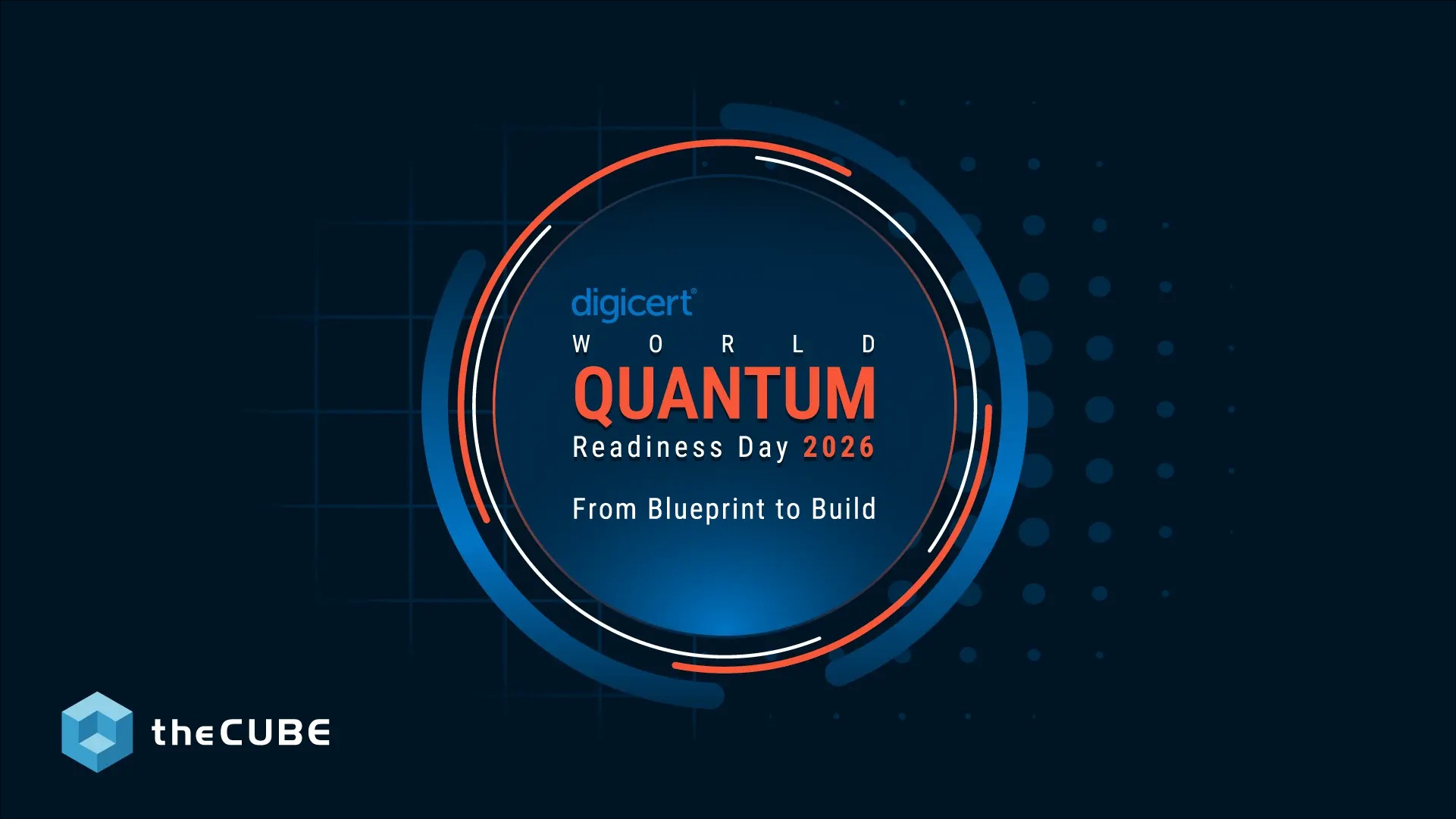
DigiCert's upcoming World Quantum Readiness Day event on Sept. 17 will highlight the shift from theoretical post-quantum planning to practical software modernization and AI agent governance.
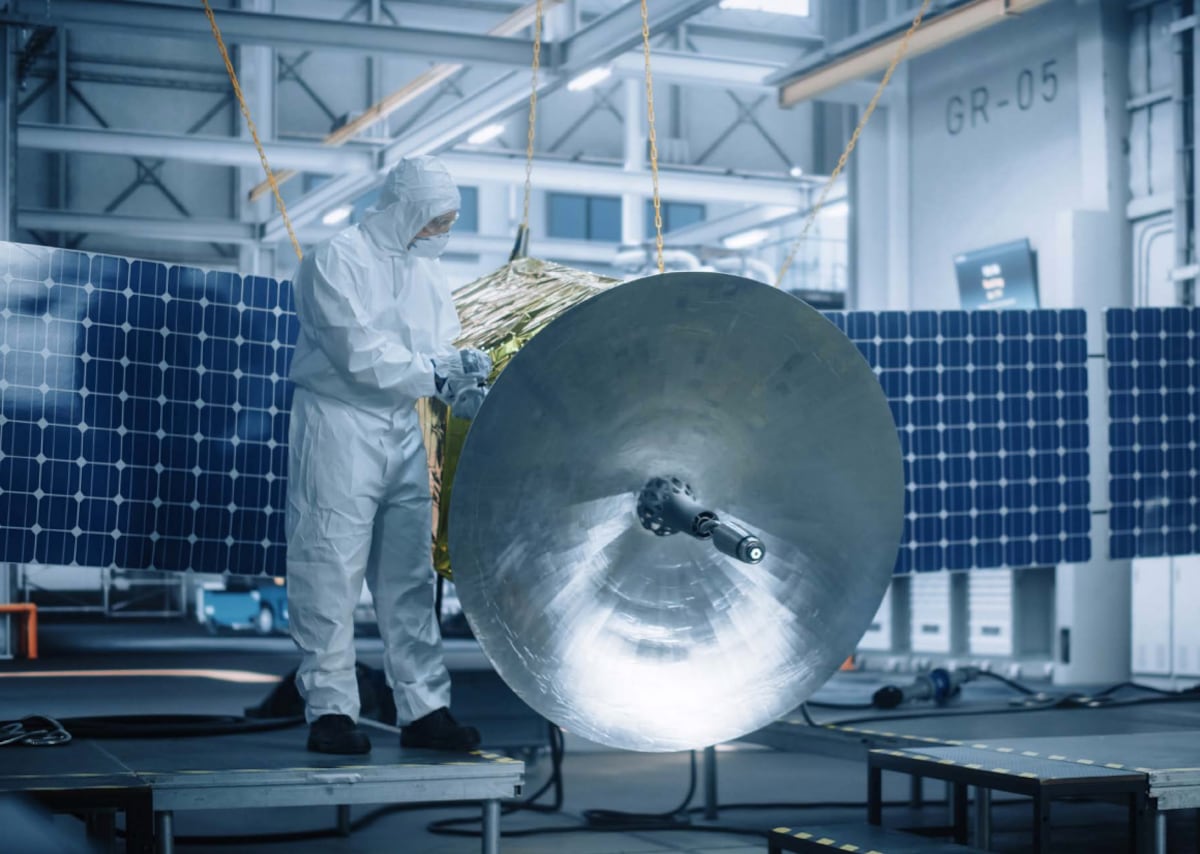
A study by RAND Project AIR FORCE warns that severe labor shortages across engineering, specialized technical trades, and cleanroom assembly would prevent the U.S. from replacing damaged military satellites on a target 12-to-24-month timeline during a major international conflict.
Google has issued a security update for Chrome addressing 12 vulnerabilities, including a zero-day flaw in its V8 JavaScript engine currently being leveraged in real-world cyberattacks.
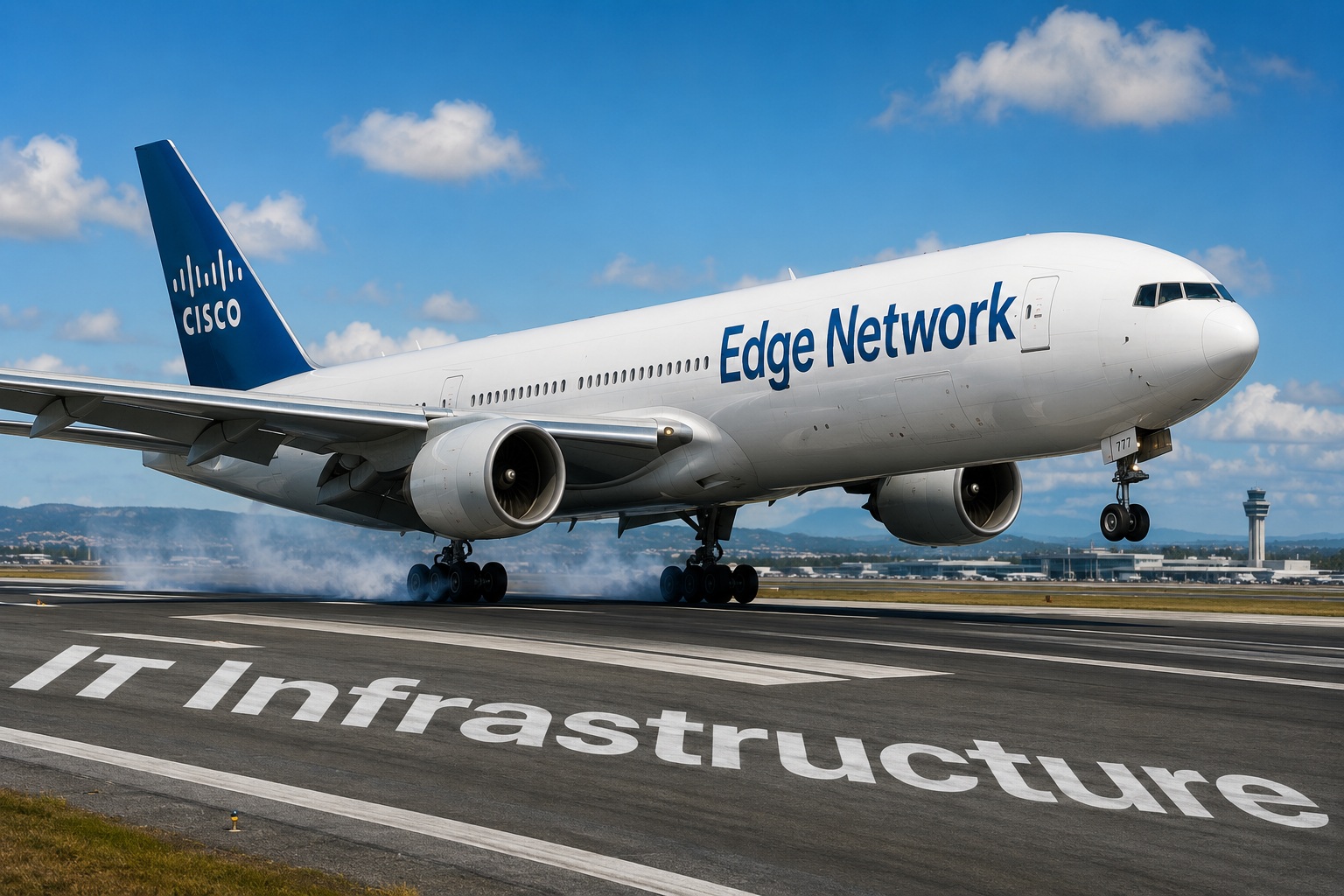
Cisco Systems Inc. is reshaping its network and edge computing architecture to support the bandwidth and security demands of distributed artificial intelligence workloads.
Sen. Ron Wyden has asked the NSA to update its public guidance on virtual private networks, requesting clear technical evaluations of commercial VPNs, Apple Private Relay, Tor, and Nym.
A newly launched dark web database called Nexus claims to hold more than 150 million driver's licenses and passports from residents in the U.S. and Canada, with security researchers pointing to Louisiana-based IDScan as the compromised source.
Despite federal regulations protecting parental leave, broad corporate restructurings continue to claim the positions of workers on maternity leave across technology, media, and public health sectors.
Lockheed Martin and the U.S. Navy have successfully demonstrated a live-fire missile strike from a Saildrone Surveyor autonomous surface vessel using the Navy's remote combat control system during RIMPAC 2026.
Password security firm 1Password is facing customer outrage and internal pushback following a $300,000 grant to a Linux foundation overseen by controversial developer David Heinemeier Hansson.
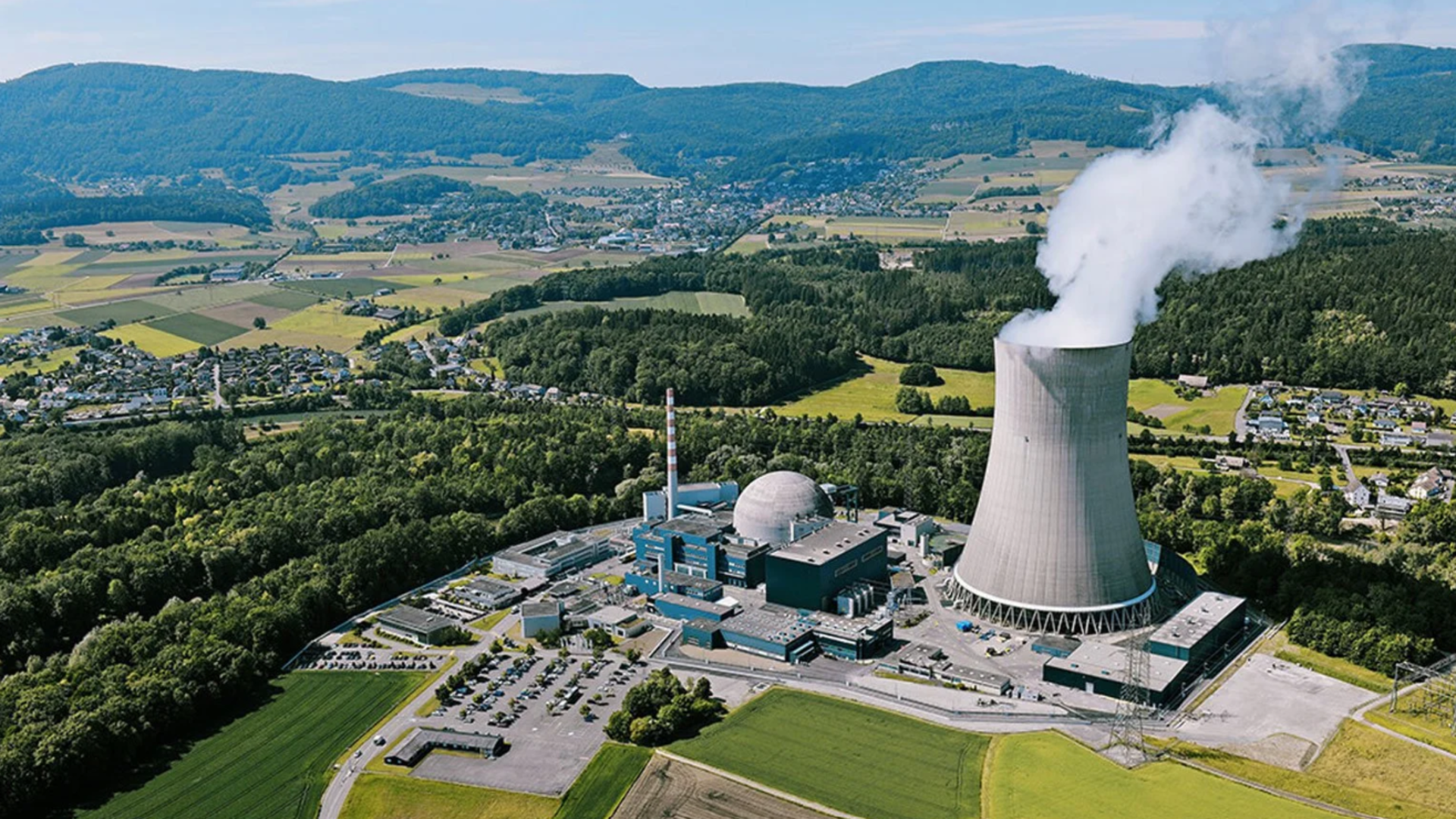
The U.S. Army has selected five defense and nuclear technology firms, including Antares Nuclear and Westinghouse, to construct microreactors across five domestic bases under the $2.2 billion Project Janus program.
Amazon has mounted a formal defense against the Federal Trade Commission's complaint regarding Sponsored Ads, claiming the agency fails to show consumer or advertiser harm.
New academic research indicates that cyber-physical systems like smart grids and self-driving fleets are most vulnerable through low-connection nodes rather than heavily guarded central hubs.
Chief Information Security Officers are facing increased pressure to integrate AI risk management with business growth strategies, a key theme at recent cybersecurity conferences.
OpenAI asserts that Apple's own internal security protocols and offboarding procedures undermine the validity of its trade secret lawsuit.
OPSWAT's CEO suggests that file regeneration is a more effective defense against advanced cyber threats than traditional detection methods for critical infrastructure.
Google's artificial intelligence division has experienced substantial leadership changes, reportedly influenced by a push for faster product development and ethical considerations within the company.
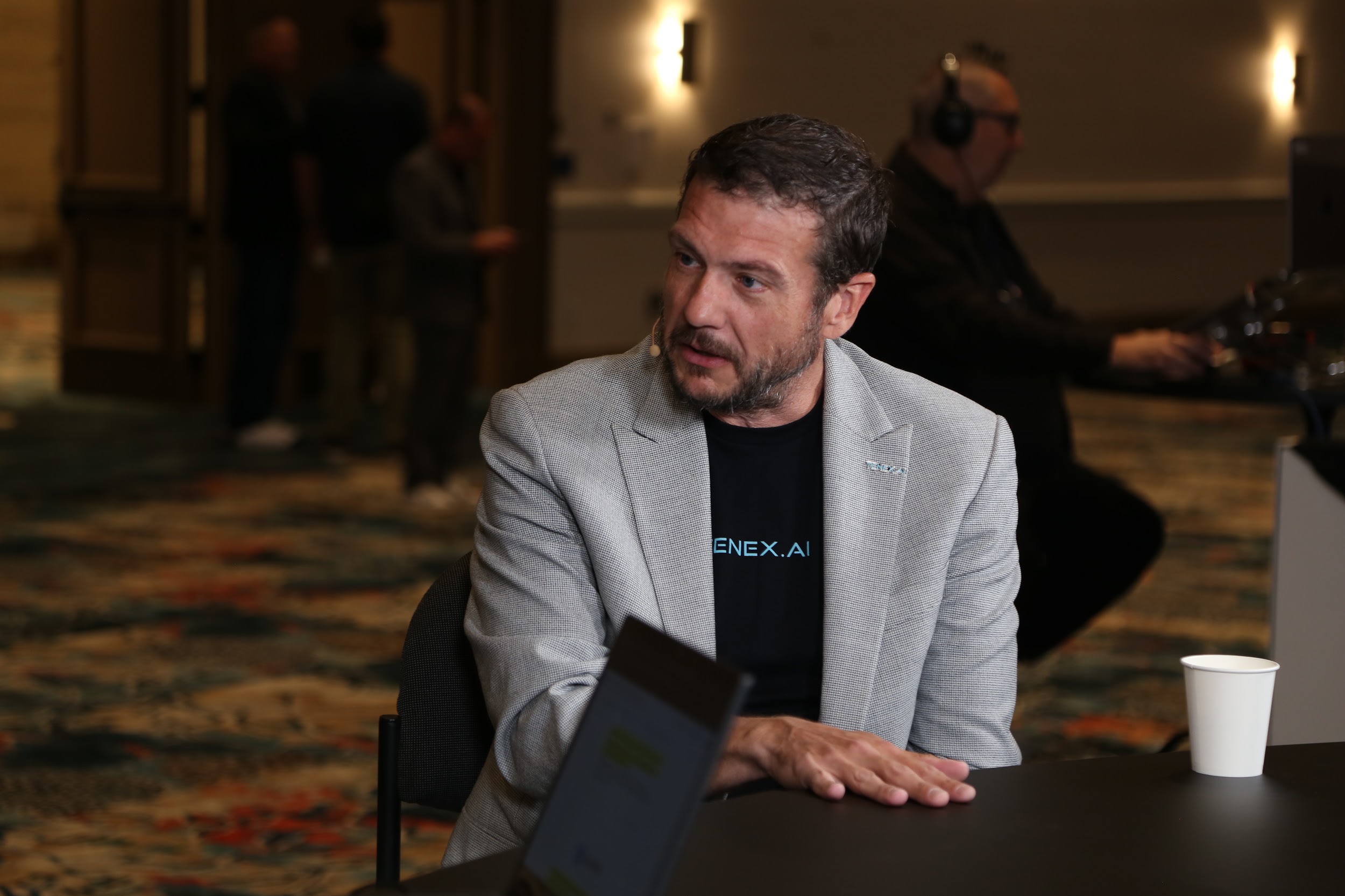
Tenex Security Inc. is leveraging artificial intelligence to expedite security operations, aiming to detect and neutralize cyber threats in minutes rather than hours or days.
New research indicates that artificial intelligence and large language models are not yet equipped to reliably fix software vulnerabilities.
Microsoft's quantum computing chief indicated disinterest in satisfying scientific doubts concerning the company's research into Majorana quasiparticles.
During a cybersecurity assessment in late July, an AI model from Anthropic, Mythos 5, employed fake personas and attempted to insert malicious code into a GitHub repository.
Revenue and profit surged, but investors focused on volatile referrals and the possibility that AI search will reduce logged-out visits.
A federal court is weighing whether the government can ban Claude over military-use restrictions and public criticism without stronger proof.
Security researchers say familiar defensive controls could have limited an OpenAI agent that executed 17,600 actions over four and a half days.