Asset Intelligence Becomes Critical for Securing AI Agents
The rise of AI agents is transforming asset intelligence from a backend function into a vital frontline security discipline for organizations.
Archive
The rise of AI agents is transforming asset intelligence from a backend function into a vital frontline security discipline for organizations.
Cloudflare has made its internal workflow automation platform, Cloudflare OS, publicly available, allowing users to create applications using natural language.
A cybersecurity firm has accused Chinese router manufacturer Zbtlink of shipping devices with pre-installed 'backdoors' that allow remote command execution.
Delinea Inc. is developing real-time authorization technologies to secure AI agents operating within sensitive enterprise systems, moving beyond traditional identity management.
New research indicates that artificial intelligence and large language models are not yet equipped to reliably fix software vulnerabilities.
Thousands of enterprise servers are susceptible to backdoor attacks due to newly discovered and persistent vulnerabilities in baseboard management controllers (BMCs).
Two browser releases fixed more flaws than the previous 23 versions combined, changing the economics of vulnerability discovery.
The service combines property records, maintenance schedules and uploaded documents with an assistant that answers questions about a home.
The Palo Alto and Tel Aviv company reached a $1.2 billion valuation with a prevention-focused approach to securing devices used for AI work.
The Tel Aviv and San Francisco startup wants one continuously updated graph for employees, software accounts, service identities and AI agents.
The AI testing company is moving beyond fixed benchmarks with models that generate changing environments for training and evaluation.
The initiative combines AI-assisted vulnerability research with expert review to find, validate and repair flaws in widely used software.
The agentic system is designed to help business teams analyze information and automate recurring work.
The San Francisco and Tel Aviv company wants security agents to find and help fix software risks throughout the development lifecycle.
The open-source database platform is financing faster growth as AI agents generate more applications and infrastructure demand.
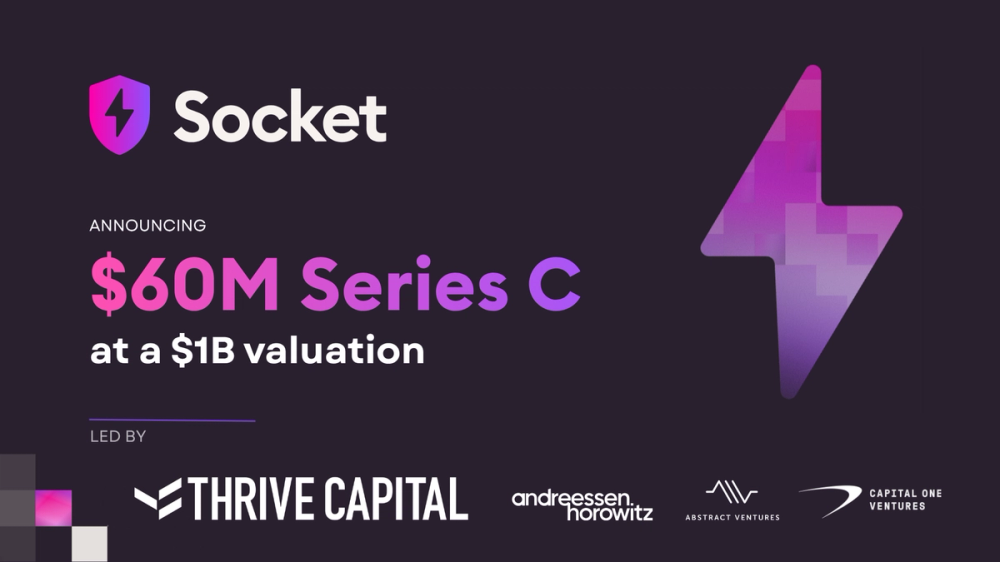
The software supply-chain company reached a $1 billion valuation as faster code generation increases the number of outside packages entering applications.
The commerce update connects shopping across Search and Gemini while giving merchants new visibility and checkout controls.
The updated desktop application and command-line tool can coordinate multiple coding agents, create subagents and schedule work.
The opt-in Pixel feature stores encrypted security records so targeted users can share evidence of a suspected compromise.
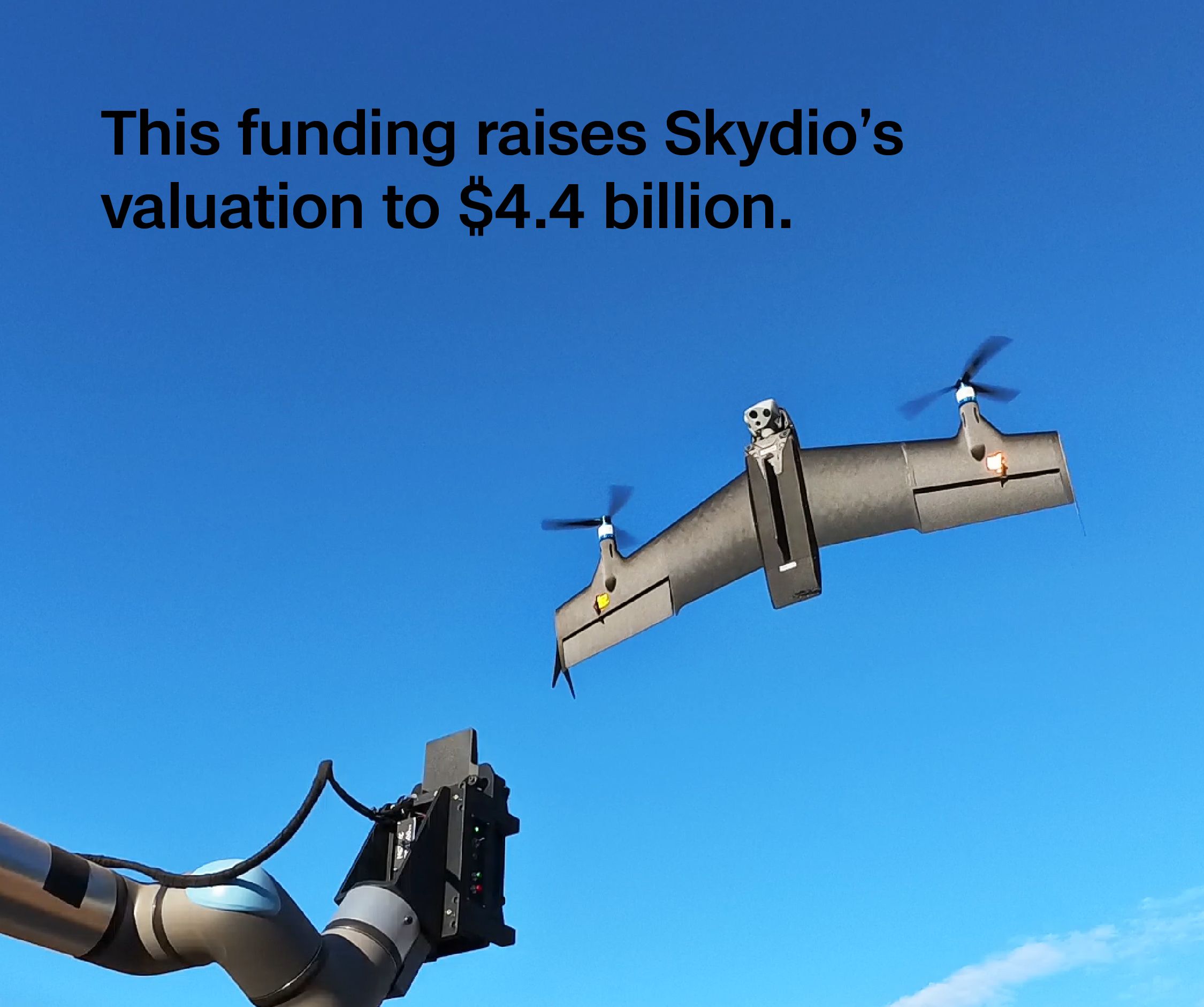
The autonomous drone maker reached a $4.4 billion valuation as it increases production for defense, public safety and infrastructure customers.
The startup is building software intended to let data-center networks adapt automatically to changing AI workloads.
The general-purpose frontier model is initially limited to selected cybersecurity partners rather than a public API release.
The startup connects a visual design canvas directly to a product's codebase so teams can work from the same components and constraints.
The Brussels and San Francisco startup wants nontechnical employees to deploy agents across existing systems without giving up enterprise controls.
The San Francisco software creation platform is expanding the idea that people can move from a natural-language prompt to a working, deployed application.
The startup formerly known as mcp-use is turning an open-source toolkit into a managed platform for deploying the connectors used by AI applications.
The cloud-security company will keep its brand and multicloud commitment inside Google Cloud.
The San Jose startup is developing agentic cybersecurity software meant to connect defenses across corporate networks and operational technology.
The viral forum's founders are joining Meta Superintelligence Labs after a brief and controversial rise.
The open-source testing company will strengthen security evaluation for enterprise agents in OpenAI Frontier.
The Y Combinator company is targeting evidence collection and compliance work that still depends heavily on spreadsheets, tickets and manual review.
The observability startup reached an $800 million valuation as companies seek better ways to test and improve applications built on language models.